How to Choose the Best Auto Dosing System for Your Needs?
Choosing the right Auto Dosing System is essential for efficient and precise operations. These systems automate the dosing process, saving you time and effort. However, the variety of options available can be overwhelming. Different systems cater to specific needs, making it crucial to understand what you truly require.
Consider the scope of your operations. Are you in manufacturing, laboratories, or agriculture? Each sector has unique demands for dosing accuracy and volume. Evaluating your specific needs helps tailor your choice. While reliability is paramount, sometimes less popular brands offer innovative solutions that outperform established names. Researching user reviews can expose these hidden gems.
Balancing cost with features is another challenge. Some systems promise advanced functionalities but may not justify their price. Ensure the chosen system has a proven track record for reliability and ease of use. Reflecting on previous experiences with dosing systems can also guide your decision. Taking time to analyze these factors will lead you to the best Auto Dosing System for your needs.
What is an Auto Dosing System and How Does it Work?
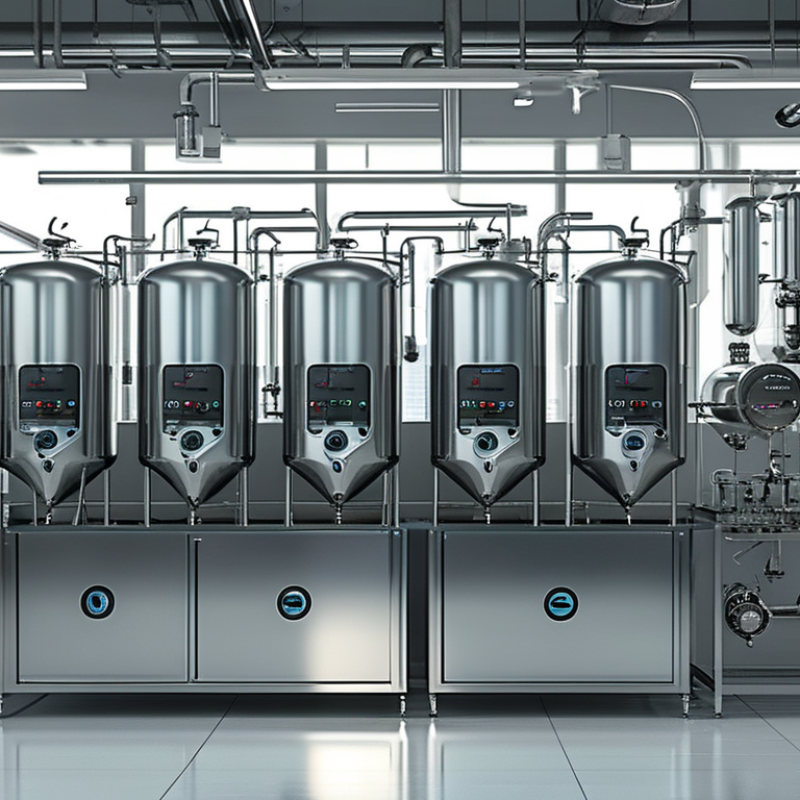
An auto dosing system is an essential tool in various industries. It ensures precise chemical dosing for processes like water treatment and food production. These systems typically utilize sensors and pumps to deliver accurate amounts of chemicals automatically. According to a recent report by MarketsandMarkets, the global market for auto dosing systems is expected to grow from $1.4 billion in 2021 to $2.1 billion by 2026, driven by the need for efficiency and precision.
The mechanism behind auto dosing systems is relatively straightforward. These systems often employ flow meters and programmable controllers. This combination allows for real-time monitoring and adjustments. For example, a flow meter detects the current flow rate, while the controller adjusts the dosing rate accordingly. The importance of accuracy cannot be overstated, as even small dosing errors can lead to subpar product quality or regulatory compliance issues.
Despite advancements, there are challenges. Operators must remain vigilant about system calibration and maintenance. Regular checks are necessary to prevent underdosing or overdosing, both of which can have negative impacts. A study from the Water Research Foundation reported that improper dosing could lead to chemical wastage, increasing operational costs by as much as 15%. Continuous learning and adaptation are vital for users to harness the full potential of auto dosing systems.
How to Choose the Best Auto Dosing System for Your Needs?
| Feature |
Description |
Importance |
Notes |
| Accuracy |
Precision in measuring and dispensing chemicals. |
High |
Ensures proper chemical balance for optimal performance. |
| Ease of Use |
User-friendly interface for setup and operation. |
Medium |
Reduces training time for staff. |
| Compatibility |
Works with various chemical compositions and systems. |
High |
Prevents limitations in application. |
| Maintenance |
Frequency and ease of upkeep requirements. |
Medium |
Simpler systems save time and cost in long run. |
| Cost |
Initial investment and ongoing operating costs. |
High |
Consider ROI based on efficiency gains. |
| Scalability |
Ability to expand system capabilities as needed. |
Medium |
Future-proofing your investment. |
Key Factors to Consider When Choosing an Auto Dosing System
When selecting the best auto dosing system, there are key factors one must consider. Accuracy is paramount. According to a report by the American Chemical Society, systems that maintain a margin of error below 5% are essential for consistent chemical processes. Inaccuracies can lead to overuse or underuse of chemicals, affecting product quality and increasing costs.
Another important factor is compatibility. The system must align with existing equipment and chemicals. A study from the International Society for Automation notes that mismatched dosing systems can create inefficiencies, resulting in up to a 30% increase in maintenance costs. This not only impacts the budget but also affects operational efficiency.
Intuitive controls are also crucial. Systems with user-friendly interfaces reduce the training time required. A survey indicated that staff onboarding can be 50% faster when systems prioritize ease of use. The thought that all systems will seamlessly integrate into current workflows is often an oversight. Ensuring compatibility and user-friendliness is vital for sustainable operation.
Comparing Technologies: Traditional vs. Smart Auto Dosing Systems
When selecting an auto dosing system, understanding the available technologies is crucial. Traditional systems use manual controls and preset dosing schedules. They rely heavily on operator judgment, which can lead to inconsistencies. In contrast, smart auto dosing systems utilize sensors and AI algorithms. They dynamically adjust dosing based on real-time water quality data. This adaptability ensures more precise dosing, reducing waste and improving overall system efficiency.
Cost is often a factor in this decision. Traditional systems may have a lower upfront cost. However, their lack of flexibility can lead to higher operational costs over time. The labor involved in monitoring and adjusting traditional systems can be significant. On the other hand, smart systems usually offer longer-term savings. They can decrease chemical usage through accurate dosing, which can offset initial investments.
User experience also varies widely. Traditional systems tend to be simpler. They do not require extensive training. However, some operators might overlook the importance of regular checks, leading to problems. Smart systems, while more complex, often come with user-friendly interfaces. They can alert users to irregularities promptly. This ensures reliable operation, but users need to engage with the technology actively.
Evaluating the Cost: Initial Investment vs. Long-term Savings
Evaluating the cost of an auto dosing system can be daunting. An initial investment might seem high, but the long-term savings often justify the expense. Consider the efficiency gains these systems provide. Manual dosing can lead to errors, causing costly repairs or waste. A reliable auto dosing system minimizes these risks, leading to better overall performance.
Analyzing the long-term savings is key. Automated systems reduce labor costs, decreasing the need for constant supervision. They also optimize resource usage. When chemicals are dispensed accurately, you avoid overuse. This not only saves money but also conserves resources.
Reflect on your specific needs. What works for one facility might not be ideal for another. Assess your current practices and identify waste points. This reflection can guide your investment. Ensure the system you choose aligns with your goals for efficiency and sustainability. A well-considered choice can pay off significantly over time.
How to Choose the Best Auto Dosing System for Your Needs?
This chart compares the initial investment and long-term savings of various auto dosing systems over a 5-year period. It highlights the importance of evaluating both upfront costs and potential savings in operational efficiency.
Industry Standards and Compliance: Ensuring Adequate Regulation Adherence
When selecting an auto dosing system, adhering to industry standards is crucial. Regulation compliance guarantees the quality and safety of the products used. Standards often vary by region and industry, necessitating thorough research. Consider engaging with professionals who understand these requirements. They can provide valuable insights into the specifics of compliance.
In addition to compliance, reliability is a key factor. An auto dosing system must perform consistently under various conditions. Regular audits and checks can ensure the systems work as intended. It’s essential to evaluate your setup periodically. Is it meeting the required standards? Are there gaps in the dosing accuracy? Reflecting on these questions can lead to improvements.
Choosing the right auto dosing system isn’t solely about functionality. It’s also about ensuring proper adherence to regulations. Each industry has unique challenges. Thus, continuous learning about compliance developments is necessary. Understanding this aspect can significantly affect your decision-making process. Take the time to assess your needs and evaluate compliance regularly.