What Are the Benefits of Using Precipitation Tanks in Industry?
In today's industrial landscape, efficiency and environmental responsibility are paramount. The use of precipitation tanks has emerged as a crucial method for managing wastewater effectively. According to Dr. Emily Carter, a leading expert in wastewater treatment, “Precipitation tanks are essential for minimizing environmental impact while maintaining operational efficiency.” This highlights the importance of such systems.
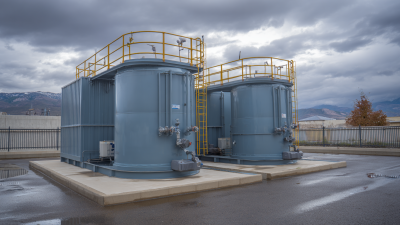
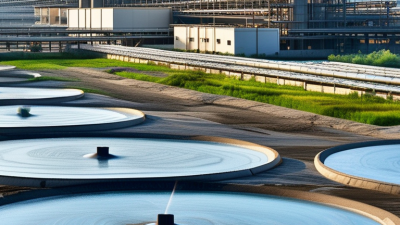
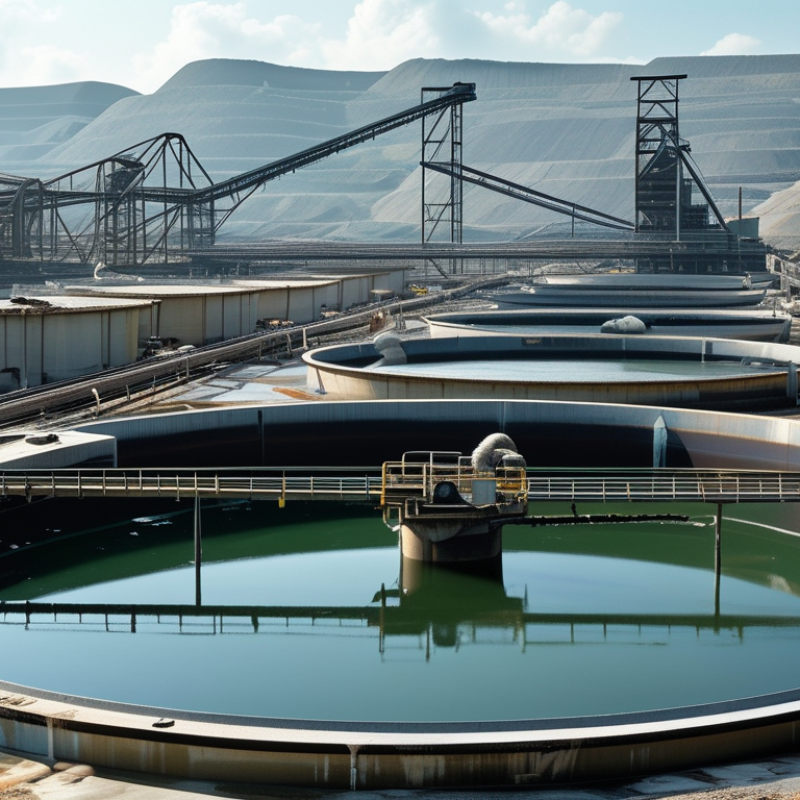
Precipitation tanks serve to separate solid particulates from liquid waste, promoting both water recycling and resource recovery. Industries ranging from mining to pharmaceuticals utilize these tanks. However, they are not without their challenges. The design and maintenance of precipitation tanks can require constant adjustments.
The effectiveness can vary significantly between industries. It's crucial to analyze specific needs and conditions. This brings forth the question: how can we ensure that these systems perform optimally? Regular assessments and innovations are vital. Adapting technology and processes will lead to more reliable outcomes in wastewater management.
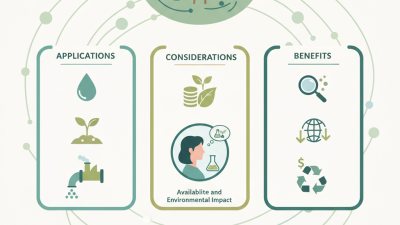
Benefits of Precipitation Tanks in Industrial Wastewater Treatment
Precipitation tanks play a crucial role in industrial wastewater treatment. They effectively remove suspended solids and heavy metals, enhancing water quality. According to a recent report from the Environmental Protection Agency (EPA), precipitation processes can reduce pollutants by up to 90%. This substantial reduction is vital for industries aiming to comply with environmental regulations.
In addition to meeting compliance standards, precipitation tanks can lower operational costs. With effective removal of contaminants, less energy is required for subsequent treatment processes. Moreover, industries can potentially recycle treated water. The World Resources Institute notes that water reuse can decrease intake costs by 30%. This makes precipitation tanks not only an eco-friendly choice but also a financially savvy investment.
Tips for optimizing the use of precipitation tanks include routine maintenance checks. Regular inspections ensure that the system operates efficiently. Monitoring chemical dosing also plays a critical role. Inadequate dosing can lead to incomplete precipitation, resulting in higher solids in effluent. Continuous evaluation helps in adjusting processes to maximize efficiency and compliance.
Enhancing Water Quality with Effective Solid Separation Techniques
Precipitation tanks play a vital role in solid-liquid separation processes across various industries. These tanks effectively enhance water quality by removing suspended solids from wastewater. According to a report by the Water Environment Federation, up to 90% of solids can be removed using efficient precipitation methods. Such techniques not only improve water clarity but also reduce pollutant levels significantly.
In many industrial settings, the presence of solids can lead to operational challenges. Regularly, companies face increased maintenance costs and reduced equipment efficiency due to accumulated sediments. Precipitation tanks address these issues by utilizing chemical coagulants, which induce flocculation. This process encourages small particles to clump together, forming larger aggregates that can be easily settled or filtered out. In fact, studies show that the application of coagulants can lead to a 75% reduction in total suspended solids.
Yet, the efficiency of precipitation tanks depends on several factors, including chemical dosage and tank design. Overlooking these variables can result in suboptimal performance. Recent findings indicate that improper coagulant selection can decrease separation efficiency by up to 40%. This highlights the importance of continuous monitoring and adjustment to ensure optimal operation. Adopting a proactive approach can lead to substantial improvements in water quality in the long term.
Benefits of Using Precipitation Tanks in Industry
Cost Savings through Efficient Resource Recovery and Recycling
Precipitation tanks play a vital role in resource recovery and recycling, leading to significant cost savings. These systems effectively separate solid particles from liquids, allowing industries to recover valuable materials. By capturing metals, minerals, and other byproducts, companies can reduce waste disposal fees and lower raw material costs. This direct impact on a company’s bottom line can be substantial over time.
Furthermore, efficient resource recovery contributes to sustainability efforts. Industries are becoming increasingly aware of their environmental impacts. By utilizing precipitation tanks, they can minimize their ecological footprint. However, implementing these systems presents challenges. Initial investment costs may be high, and training staff can be time-consuming. Companies must evaluate the trade-offs between upfront costs and long-term savings.
Moreover, not all precipitation tanks provide equal benefits. Variability in design and operational effectiveness means that some systems may underperform. Industries need to invest time in research and development to select the right technology for their specific needs. Understanding these nuances is crucial to maximizing the advantages of precipitation tanks. Achieving cost savings through efficient resource recovery involves continuous reflection and adaptation.
What Are the Benefits of Using Precipitation Tanks in Industry? - Cost Savings through Efficient Resource Recovery and Recycling
| Benefit |
Description |
Estimated Cost Savings (%) |
Impact on Environment |
| Efficient Resource Recovery |
Precipitation tanks facilitate the capture and recycling of valuable materials from wastewater. |
20-30% |
Reduces raw material consumption, lowers waste generation. |
| Reduced Operational Costs |
Lower costs associated with waste disposal and treatment due to improved recovery rates. |
15-25% |
Minimizes environmental footprint. |
| Regulatory Compliance |
Helps meet local and national environmental regulations related to wastewater treatment. |
Varies by industry |
Improves compliance with regulations, reducing fines and penalties. |
| Enhanced Operational Efficiency |
Reduces downtime associated with waste handling and processing. |
10-20% |
Less energy consumption leads to lower carbon emissions. |
| Improved Product Quality |
Higher purity of recycled materials leads to better end-product quality. |
5-15% |
Encourages sustainable manufacturing practices. |
Supporting Regulatory Compliance with Improved Effluent Standards
Precipitation tanks serve a critical role in various industries by enhancing regulatory compliance. These systems facilitate the removal of suspended solids and contaminants, which is essential for meeting effluent standards. According to a study by the Water Environment Federation, improper waste treatment can result in fines exceeding $50,000 for non-compliance.
The efficiency of precipitation tanks directly impacts the quality of effluent released into natural water bodies. Data from the U.S. Environmental Protection Agency shows that industries using such systems report up to a 90% reduction in certain pollutants, including heavy metals. These improvements often align with stringent regulations, helping companies avoid legal repercussions. Moreover, enhanced effluent standards can bolster public trust.
However, the implementation of precipitation tanks is not without challenges. Proper maintenance is critical, yet many facilities overlook this aspect. A report from the American Water Works Association indicates that nearly 30% of wastewater treatment failures can be traced back to insufficient upkeep. This gap reflects a need for ongoing education and investment in technologies that ensure consistent performance.
Increasing Operational Efficiency and Reducing Downtime in Production Processes
Precipitation tanks play a crucial role in industrial processes. These tanks help separate solids from liquids, enhancing production efficiency. By streamlining the separation process, industries can reduce waste significantly. Less waste translates to lower disposal costs and environmental impact. Moreover, efficient solids removal helps maintain optimal flow rates in wastewater streams.
Reducing downtime is a major benefit of using precipitation tanks. When solids accumulate, machinery often requires maintenance, leading to costly interruptions. By using well-designed tanks, businesses can minimize these interruptions. This proactive approach keeps production lines running smoothly, allowing for consistent output. However, not all precipitation tanks are equally effective. Some designs might lead to unexpected buildup or poor flow, requiring careful evaluation and adjustments.
Adopting precipitation tanks requires an understanding of each process. Operators need to monitor performance regularly. It's vital to assess if the equipment meets specific needs. Relying solely on these tanks without proper upkeep can lead to inefficiencies. Continuous assessment and adaptation are essential for realizing the full potential of these systems in industrial settings.