How to Choose the Best Natural Flocculant for Your Needs?

Choosing the right Natural Flocculant can significantly impact various industries, from water treatment to agriculture. Expert Dr. Emily Hart, a renowned authority in environmental science, emphasizes, “The right flocculant can enhance clarity and reduce costs.” Her insight is invaluable as companies navigate the complexities of selecting a flocculant that meets their specific needs.

Natural Flocculants come in various forms, each offering distinct benefits and challenges. Selecting one involves understanding the specific application and desired outcomes. For example, a flocculant suitable for industrial wastewater may not perform well in agricultural settings. This variability requires a thoughtful approach. Companies often overlook the importance of testing different flocculants, leading to less optimal results.

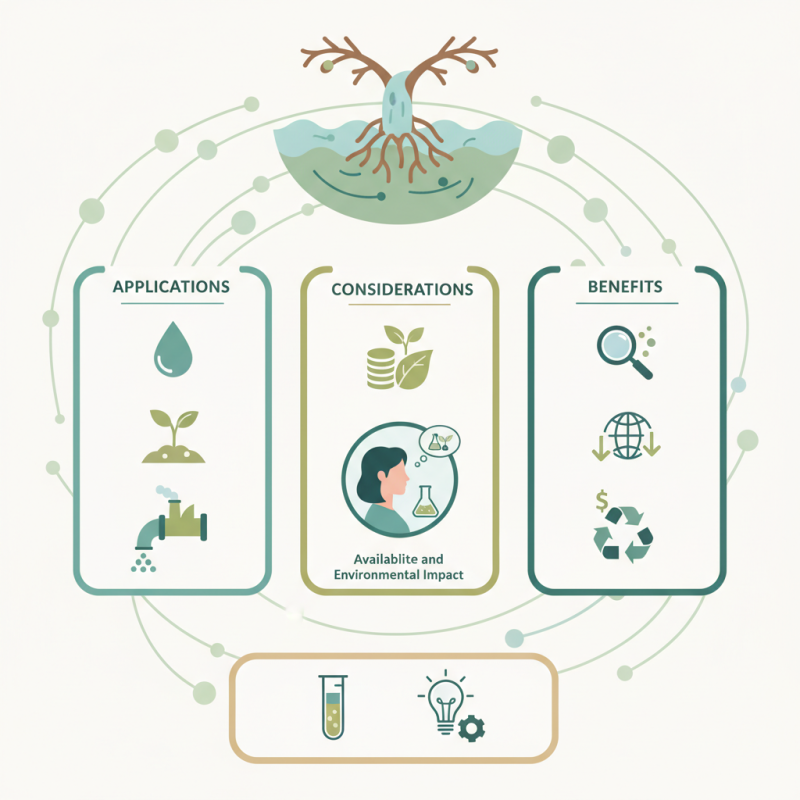
The choice of a Natural Flocculant requires careful consideration. Factors like cost, availability, and environmental impact must be weighed. While some may rush the decision, patience can lead to superior results. It's essential to reflect on past choices and learn from experiences. This process can transform challenges into opportunities. Ultimately, the right Natural Flocculant not only improves efficiency but also supports sustainability.
How to Choose the Best Natural Flocculant for Your Needs?

Understanding Natural Flocculants: Definition and Types

Natural flocculants are essential in various industries, especially in water treatment and food processing. They are derived from natural sources such as plants, algae, and microorganisms. These flocculants can effectively remove suspended solids and impurities from liquids, making them a sustainable choice. Numerous studies indicate that using natural flocculants reduces chemical additives, leading to safer and more eco-friendly processes.

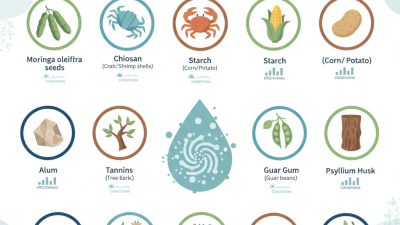
Common types of natural flocculants include chitosan, alginate, and tannins. Chitosan, derived from shrimp shells, has shown a 90% efficiency in reducing turbidity in wastewater. Alginate, sourced from brown algae, is known for its gelling properties and is widely used in food production. Tannins, extracted from tree bark, also play a crucial role in reducing contaminants in water. A report by the Water Environment Federation highlights that natural flocculants can lower the overall cost of water treatment by up to 40% compared to synthetic options.

However, choosing the right natural flocculant can be challenging. Each type has its specific applications and effectiveness. Factors such as pH levels, temperature, and types of impurities significantly influence performance. A wrong choice may lead to undesirable results, like incomplete flocculation or increased effluent toxicity. Users must consider these variables and often conduct trials to assess the most suitable option for their needs.
Factors to Consider When Choosing a Natural Flocculant

When selecting a natural flocculant, it’s vital to assess several factors. The type of wastewater is crucial. Different contaminants require specific flocculant properties for effective removal. For example, dairy wastewater may need different treatment compared to textile effluents. Understanding the characteristics of your waste can guide you in choosing the right product.

Another important consideration is the source of the natural flocculant. Some are derived from plants, while others come from animal sources. Each type has unique benefits. Plant-based flocculants, like those from mucilage or chia seeds, tend to be more environmentally friendly. In contrast, animal-based options may offer different efficiency levels.

Cost and availability are also essential factors. Some natural options may be more expensive and harder to source, which could affect project budgets. It's beneficial to weigh performance against cost-effectiveness. Sometimes, cheaper options lack the necessary efficacy. Therefore, take the time to evaluate and reflect on each choice to find the best fit for your needs.

Comparing Effectiveness of Different Natural Flocculants

When selecting natural flocculants, it’s essential to compare their effectiveness. Different flocculants can yield varying results based on the type of water and pollutants. For instance, alginates from seaweed are effective for suspensions with high levels of organic matter. They work by neutralizing the charge of particles, allowing them to aggregate.

Tips: Always conduct small-scale tests before large applications. This helps determine which flocculant reacts best with your specific water content. Remember, not every flocculant is suitable for every situation.

Another option is using chitosan, derived from shellfish. It excels in removing turbidity from wastewater. Its positive charge attracts negatively charged particles, forming clumps that settle easily. Although effective, you should monitor potential allergies in sensitive individuals when using natural shellfish products.

Tips: Keep in mind that some flocculants may not perform well in all pH levels. Conduct a pH test before application. Adjustments could enhance the effectiveness of your chosen flocculant. In the end, understanding the unique properties of each natural flocculant is crucial for optimal results.

How to Choose the Best Natural Flocculant for Your Needs? - Comparing Effectiveness of Different Natural Flocculants

Natural Flocculant Source Effectiveness (%) Dosage (g/L) pH Range Notes
Moringa Oleifera Plant 90 2-10 6-8 High coagulant capacity
Chitosan Crustaceans 85 0.5-2 4-6 Biodegradable and non-toxic
Psyllium Husk Plant 75 5-15 5-7 Good for sedimentation
Almond Gum Tree Resin 80 1-3 6-8 Natural thickener
Gelatin Animal Protein 70 0.5-3 4-7 Widely used in food industry

Application Areas for Natural Flocculants: A Comprehensive Guide

When considering the application areas for natural flocculants, it's vital to understand their diverse functions. Natural flocculants are often utilized in water treatment processes. For instance, they help remove suspended solids. A report from the International Water Association highlights that using natural flocculants can enhance the efficiency of sedimentation. This efficiency leads to cleaner water with fewer chemicals involved, an increasing necessity in today's environment.

Agriculture also benefits from natural flocculants, particularly in soil management. By improving soil structure, they enhance water retention and reduce erosion. Research indicates that the use of natural flocculants can increase crop yields by up to 20%. This data underscores their importance in sustainable agriculture. However, it’s essential to consider the variability in effectiveness. Factors such as soil type and climatic conditions can affect performance.

In industrial applications, natural flocculants find relevance in the pulp and paper industry and mining. These environments often require efficient separation processes. However, there can be challenges with consistency and sourcing of raw materials. This variability can impact performance and reliability. Therefore, thorough testing in specific applications is crucial. Making informed choices based on detailed assessments can lead to better outcomes in these sectors.

Environmental Impact and Sustainability of Natural Flocculants

How to Choose the Best Natural Flocculant for Your Needs?

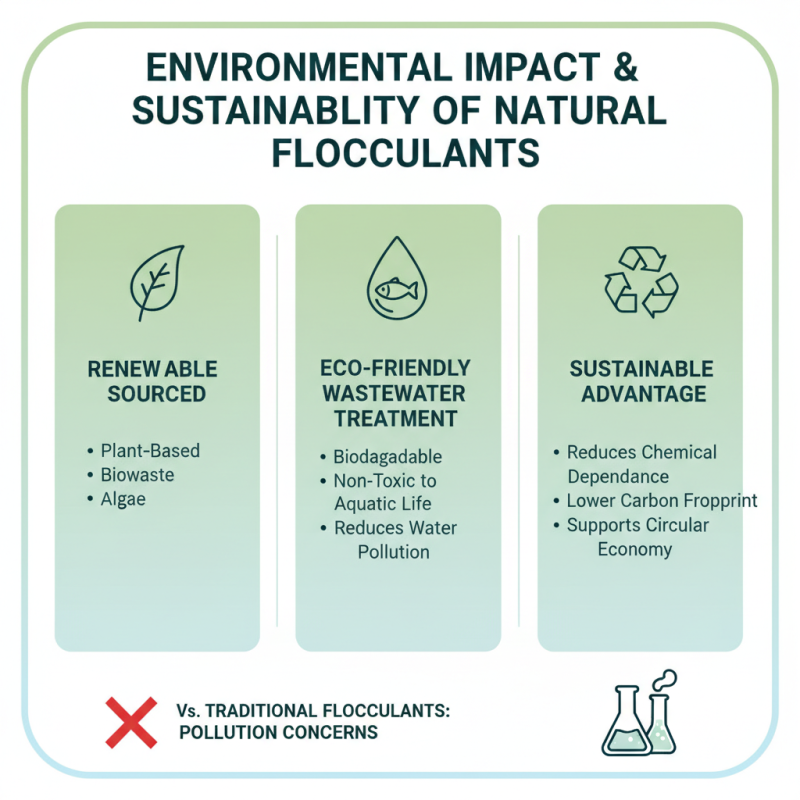
Natural flocculants have gained attention for their environmental benefits. They often originate from renewable resources, making them a sustainable option. These biodegradable materials help in treating wastewater without harming aquatic life. Traditional flocculants can cause pollution, which pushes industries to seek eco-friendly alternatives.

The use of natural flocculants does raise questions. Their effectiveness can vary depending on water conditions. Finding the right type for specific applications is crucial. Some natural options might not perform as well in all scenarios. Users must test and adapt their approaches based on results. This trial-and-error process can be frustrating but promotes better understanding and implementation.

This shift towards natural solutions highlights the importance of responsible practices. It encourages industries to consider the broader impact of their choices. While natural flocculants present clear advantages, they also require careful assessment. Continued research is essential to maximize their potential and address any limitations.

WhatsApp Online Chat !