China Top 10 Polymer Acrylamide Uses and Applications in Industry?
The exploration of Polymer Acrylamide reveals its significant impact across various industries. This versatile substance is integral in water treatment, agriculture, and manufacturing. Its ability to enhance soil stability proves vital for efficient agricultural practices.
In the realm of construction, Polymer Acrylamide plays a crucial role in improving material properties. It ensures better bonding, durability, and resistance to environmental factors. These applications demonstrate its adaptability and usefulness.
Yet, challenges remain. The production and application processes must prioritize safety and environmental impact. As industries evolve, it is essential to reflect on best practices to maximize benefits. Understanding Polymer Acrylamide's potential, along with its limitations, can guide its future use effectively.
Overview of Polymer Acrylamide and Its Properties
Polymer acrylamide is a versatile compound widely used in various industries due to its unique properties. This water-soluble polymer features high viscosity and exceptional flocculation ability. Its molecular structure allows it to absorb significant amounts of water, making it valuable in applications such as wastewater treatment, agriculture, and food processing. Current industry studies highlight that the global acrylamide market is projected to expand significantly, driven by increasing environmental regulations and the need for effective waste management solutions.
Tips: When using polymer acrylamide, consider its dosage. An optimal amount enhances performance without causing unnecessary waste. Always prioritize safety when handling any chemical material.
In agriculture, polymer acrylamide is applied as a soil conditioner, improving water retention and nutrient absorption. This can boost crop yields while minimizing water usage. Reports indicate that using this compound in irrigation practices can increase efficiency by up to 30%. However, some challenges arise. The long-term environmental impact of residual acrylamide requires careful consideration and ongoing research.
Tips: Ensure proper training for personnel handling acrylamide in agriculture. Awareness of its properties can prevent potential mishandling.
Overall, polymer acrylamide's diverse applications showcase its importance. Its performance and functionality are evident across numerous sectors, but awareness of environmental implications remains essential.
Primary Industrial Applications of Polymer Acrylamide
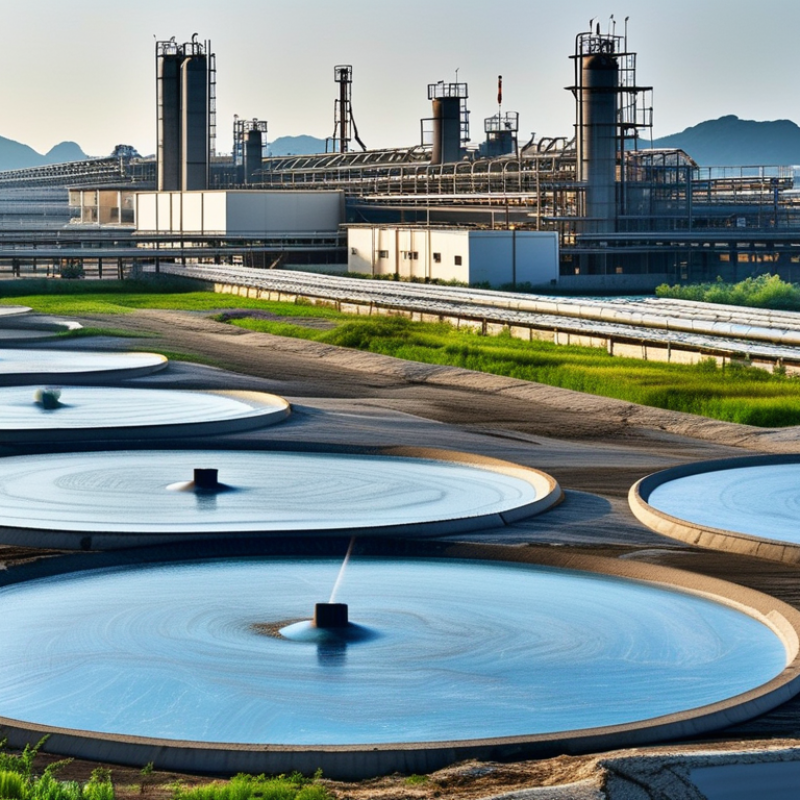
Polymer acrylamide is a versatile compound widely used across various industries. Its effectiveness in water treatment is particularly notable. Industries rely on acrylamide for flocculation processes, which help in separating particles from liquids. This application is crucial in sectors such as wastewater treatment and mining. By enhancing the clarity of water, acrylamide plays a vital role in environmental sustainability.
Another significant application of polymer acrylamide is in the oil and gas industry. It is used as a thickening agent in enhanced oil recovery. The substance increases the viscosity of water, improving the extraction of crude oil. While this sounds efficient, it's essential to consider its environmental impact. The usage of acrylamide must be managed carefully to avoid potential risks associated with its chemical properties.
Agriculture also benefits from this polymer. Acrylamide-based products improve soil retention of water and nutrients. They boost agricultural efficiency, but one must reflect on the balance between productivity and ecological health. Overall, while the applications of polymer acrylamide are extensive, ongoing assessment is needed to ensure safety and sustainability in its use.
Role of Polymer Acrylamide in Water Treatment Processes
Polymer acrylamide plays a vital role in water treatment processes. It serves as a flocculant, helping to aggregate suspended particles in water. When added to wastewater, it binds to impurities and facilitates their removal. This leads to cleaner, safer water for various industrial uses.
In addition to its effectiveness, using polymer acrylamide can be a complex issue. The environmental impact requires careful consideration. Proper dosage is crucial. Too much can lead to inefficiencies and increased costs. Operators must strike a balance between effectiveness and sustainability. Water treatment facilities often face challenges in optimizing acrylamide use.
The versatility of polymer acrylamide extends beyond water treatment. Its properties make it useful in different applications. Depending on the water source and contamination level, adjustments in formulation may be necessary. These variations necessitate ongoing research and adaptation in methodology. This keeps the industry evolving, ensuring more effective and responsible water management practices.
Usage of Polymer Acrylamide in Agriculture and Soil Improvement
Polymer acrylamide plays a crucial role in agriculture, particularly in soil improvement. Its ability to enhance soil structure has become vital for farmers. Studies indicate that polymer acrylamide can increase water retention in sandy soils by up to 30%. This retention helps crops survive in dry conditions, ultimately improving yields.
Additionally, polymer acrylamide assists in reducing soil erosion. According to recent industry reports, fields treated with this polymer show a 20% decrease in erosion rates. This is particularly important in regions prone to heavy rains and runoff. However, the effectiveness of polymer acrylamide in different soil types varies. Some soils may require additional treatments to achieve the desired effects.
Farmers’ awareness of polymer acrylamide's benefits is growing. Yet, challenges remain. Not all agricultural sectors fully embrace its use. Some fear possible long-term environmental impacts. While evidence suggests safety, further studies on its persistence in soil are necessary. Continuous education and research are essential for broader adoption in sustainable practices.
Innovative Developments in Polymer Acrylamide Technology and Market Trends
The polymer acrylamide sector is witnessing rapid innovation. Recent reports indicate that the global market for polyacrylamide is projected to reach over $6.5 billion by 2025. This growth stems from its diverse applications, particularly in water treatment and oil recovery. These industries are increasingly reliant on advanced polymers for efficient operations.
A recent study highlighted how new synthesis methods have improved the functionality of acrylamide. Enhanced properties such as thermal stability and solubility have broadened its applications. For instance, acrylamide's use in agriculture for soil conditioning is on the rise. This has led to increased crop yields, which is vital in the context of global food security concerns.
Market trends show a shift towards more sustainable practices. The demand for environmentally friendly substances is influencing research directions. However, challenges remain. Regulatory pressures and environmental concerns require manufacturers to adapt quickly. As the industry evolves, staying abreast of these trends is essential for ensuring compliance and safety.