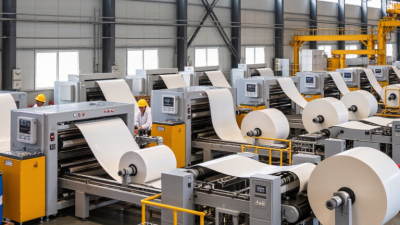
China Top Wet Strength Resin Suppliers for Global Buyers begins with a practical question: can a supplier deliver stable performance, not merely a competitive quotation? Wet Strength Resin supports tissue, towel, filter paper, labels, and food-contact packaging. Its value appears when a sheet remains intact after soaking, folding, or repeated handling.
The scale is significant. FAO’s global forest-products statistics reported approximately 417 million tonnes of paper and paperboard production in 2022. Smithers’ packaging research also identifies continued growth in fiber-based packaging, especially where plastic reduction increases demand for stronger paper structures. These trends create opportunities for Chinese manufacturers. They also expose weak quality systems. A resin that performs well in one furnish may fail after changes in pulp type, refining, dosage, or drying temperature.
Pratima Bajpai, an established pulp and paper technology author, states, “Wet strength is an important property for papers exposed to water during use.” That principle sounds simple. It is not. Buyers should examine solids content, viscosity, ionic character, formaldehyde compliance, storage stability, and application testing. Laboratory data matters. So does a supplier’s production discipline. Batch records, technical support, and clear safety documentation can reveal more than a polished catalogue.
This guide reviews leading China-based suppliers through an international buyer’s lens. It considers product consistency, customization, export experience, test methods, and communication speed. However, no supplier list is permanently correct. Markets change, and published claims require verification. Request recent certificates, representative samples, and trial results before approving a purchase. A reliable partnership begins with evidence, not promises.

Wet strength resin is a functional chemical added to paper so fibers resist breaking after contact with water. Ordinary paper loses much of its strength when moisture disrupts fiber bonding. Wet strength resin creates a durable network between fibers, preserving tensile performance in damp conditions. Common chemistries include polyamide-epichlorohydrin and melamine-based systems.
Where is it used? Paper towels, napkins, facial tissues, wipes, tea bags, coffee filters, medical papers, labels, and moisture-resistant packaging all rely on this property. The demand is substantial. FAO’s 2023 forestry statistics recorded approximately 423 million metric tonnes of global paper and paperboard production. The U.S. Environmental Protection Agency reported 67.4 million tons of paper and paperboard in municipal solid waste generation in 2018. These figures do not measure resin consumption directly, but they show the scale of paper applications requiring performance control.
For global buyers, supplier evaluation should include wet tensile retention, curing conditions, formaldehyde status, repulpability, and wastewater behavior. A higher dosage is not automatically better. It may increase cost or complicate recycling. That assumption needs testing. Laboratory results should reflect the buyer’s actual pulp, basis weight, machine speed, and drying profile. Technical data sheets are useful, but independent trial data is stronger evidence. Sources: FAO Global Forest Products Facts and Figures 2023; U.S. EPA Facts and Figures about Materials, Wastes and Recycling.
Wet strength resin is a functional additive used in papermaking to help paper retain strength after exposure to water or high humidity. The chart shows representative wet-strength resin dosage ranges commonly used for different paper products, expressed as kilograms per metric ton of oven-dry fiber. Actual dosage depends on furnish, refining, machine conditions, resin chemistry, curing conditions, and the required wet-strength performance.
Typical industry ranges shown for comparison only; they are not market-share data and do not represent any specific supplier or brand.
China has become a major source of wet strength resin because its chemical manufacturing network supports scale, flexibility, and export efficiency. Producers can serve tissue, towel, filter paper, and packaging manufacturers with different performance requirements. Many factories also operate near raw material suppliers, testing laboratories, and large shipping ports. This can shorten delivery times and reduce inventory pressure for overseas buyers.
The advantage is not simply lower pricing. Experienced suppliers often adjust resin solids, ionic character, and curing behavior for specific paper machines. A technical team may review pulp type, machine speed, pH, conductivity, and target dosage before recommending a grade. Buyers can request samples, technical data sheets, safety documents, and batch test results. Still, quality can vary between suppliers. A polished website proves little. Small pilot trials remain necessary.
Tips: Ask for recent production records and a clear certificate of analysis. Test drainage, dry strength, and wet strength under your actual process conditions. Check drum sealing, labels, shelf life, and transport temperature before shipment. Confirm that the product meets the import and workplace rules in your market. Keep one retained sample from every approved batch. That step is easy to overlook.
Chinese suppliers increasingly offer several wet strength resin types for international paper producers. Polyamide epichlorohydrin (PAE) resin is widely selected for tissue, towel, and packaging grades. It develops strong resistance after curing and performs well across many neutral or alkaline systems. Melamine-formaldehyde resin can provide firm wet strength and heat resistance, especially in specialty papers. Urea-formaldehyde options may suit cost-sensitive applications, but buyers should examine emission limits and end-use requirements carefully.
Performance depends on more than dry strength figures. Suppliers commonly compare wet tensile retention, dosage efficiency, drainage impact, curing temperature, and storage stability. A useful technical discussion includes pulp type, furnish consistency, pH, conductivity, and machine speed. For example, a resin that performs well at pH 7.5 may lose efficiency in highly conductive white water. Amphoteric or modified cationic products can improve retention when fiber charges change during production. The details matter.
Experienced Chinese manufacturers usually provide laboratory samples, technical data sheets, and application guidance. Ask for batch consistency records and test conditions. Independent mill trials remain essential. No resin wins every trial. Some data sheets are still too general, which can slow selection. Buyers should request results using comparable pulp and realistic temperatures. A small dosage change may affect formation, drainage, and final hand feel. Practical testing often reveals more than a polished specification sheet.
Global buyers should evaluate resin suppliers beyond price. Wet strength performance depends on solids content, viscosity, charge density, curing conditions, and pulp composition. Request three recent batch COAs, not one attractive sample. Compare wet tensile retention, dosage, storage stability, and odor under identical mill conditions. TAPPI testing methods can improve comparison, while FAO’s 2023 Yearbook reported roughly 417 million tonnes of global paper and paperboard production in 2022. Small formulation differences can affect large production lines.
A reliable Chinese supplier should provide traceable raw-material records, an updated SDS, technical data, and clear export documentation. Check ISO 9001 certification, laboratory equipment, pilot-scale trials, and complaint response times. Ask for production capacity by month, normal lead time, packaging options, and backup plans during shipping delays. Environmental controls also deserve attention, including wastewater treatment and compliance documentation for the destination market. A low quote can still be expensive. I have seen purchasing teams overlook lot consistency because the first trial performed well.
Tips: Test at your actual machine speed and curing temperature. Keep sealed retention samples from every shipment. Ask for a video audit or independent factory inspection before signing. Also, challenge your own specification; excessive resin dosage may hide a furnish or process problem. No shortcut.
China Top Wet Strength Resin Suppliers for Global Buyers
Importing wet strength resin requires more than comparing prices. Buyers should request a current SDS, technical data sheet, certificate of analysis, and batch traceability records. Check solids content, pH, viscosity, ionic charge, and storage temperature. A sealed drum may still fail if heat exposure changes its performance. According to CEPI’s 2023 preliminary statistics, European paper and board production reached about 79.5 million tonnes, despite a 2.3% decline. This pressure makes stable resin quality important for mills controlling waste and production costs.
Tips: Test one retained sample before approving a full shipment. Ask for application data using your paper grade, furnish, and machine speed. Do not rely only on a supplier’s standard laboratory result. Your own mill conditions may differ.
Compliance must be verified before customs clearance. Review REACH and CLP obligations for European imports, plus applicable chemical inventory rules in the destination market. Confirm transport classification, labeling language, packaging strength, and emergency contact details. The ECHA Forum’s 2023 enforcement project reported non-compliance in 23% of checked products, showing why document checks cannot be treated as routine paperwork. Buyers should also examine restricted substances and formaldehyde-related requirements where applicable. My practical concern is simple: certificates can look complete while missing a meaningful test method. Require dates, laboratory identification, and acceptance limits.
| Evaluation Dimension | Buyer Checkpoint | Typical Technical Reference | Recommended Evidence | Import, Quality, or Compliance Relevance |
|---|---|---|---|---|
| Primary Resin Type | Confirm whether the product is polyamide-epichlorohydrin, glyoxalated polyacrylamide, melamine-formaldehyde, or another chemistry. | Polyamide-epichlorohydrin resin is widely used for permanent wet strength in paper and tissue; other chemistries may provide different performance and regulatory profiles. | Technical Data Sheet, Safety Data Sheet, composition statement, and product specification. | Chemistry determines application suitability, wastewater requirements, storage conditions, and applicable chemical-registration obligations. |
| Active Solids | Compare concentration on an equivalent basis rather than comparing price per metric ton alone. | Many water-based wet-strength resin products are supplied at approximately 10%–35% total solids, depending on chemistry and grade. | Certificate of Analysis showing measured solids, test method, batch number, and specification limits. | Solids affect dosage calculation, freight economics, storage volume, and consistency between production batches. |
| Appearance and Physical Form | Check color, clarity, viscosity, sediment, and presence of gel particles or foreign matter. | Typical products are clear to slightly hazy, colorless to pale yellow, water-dispersible liquids; exact appearance depends on chemistry and grade. | Approved reference sample, visual inspection procedure, and batch-release inspection record. | Unexpected discoloration, gel, or sediment can indicate contamination, aging, freezing, or improper storage. |
| pH and Ionic Behavior | Verify pH at a defined temperature and dilution; evaluate compatibility with alum, sizing agents, fillers, and retention chemicals. | Acidic pH is common for several cationic wet-strength resin grades, often approximately pH 3–6, but the approved product specification must control. | pH test report, compatibility study, and laboratory furnish trial. | Incorrect pH or charge balance may reduce retention, change drainage, or interfere with other wet-end additives. |
| Viscosity and Handling | Specify test temperature, spindle or method, shear conditions, and measurement timing. | Viscosity varies significantly by resin chemistry and solids level; a supplier value without the test method is not directly comparable. | Viscosity specification with method, temperature, acceptable range, and batch result. | Viscosity affects pumping, dilution, metering accuracy, and the risk of uneven addition at the paper machine. |
| Wet-Strength Performance | Test the intended paper grade using the buyer's furnish, basis weight, refining, dosage, and curing conditions. | Performance should be compared using wet tensile strength, wet tensile retention, or wet burst results rather than resin dosage alone. | Laboratory trial report, dosage-response curve, dry-strength comparison, and finished-paper test results. | A successful trial confirms the product works in the buyer's actual process and identifies the lowest effective use level. |
| Testing Standards | Require consistent conditioning, soaking time, specimen preparation, and instrument calibration. | Common paper-testing frameworks include ISO 535 or TAPPI T 456 for tensile properties and ISO 638-1 or equivalent methods for dry solids or moisture-related measurements, where applicable. | Test method number, laboratory qualification, calibration records, raw data, and retained samples. | Using the same method prevents misleading comparisons between supplier claims and buyer acceptance testing. |
| Formaldehyde and Restricted Substances | Request free-formaldehyde, residual epichlorohydrin, chlorinated by-product, heavy-metal, and other restricted-substance information where relevant. | Limits depend on the destination market, end use, customer specification, and applicable food-contact or chemical regulations; there is no universal limit for every application. | Independent laboratory report, restricted-substance declaration, SDS, and regulatory statement for the destination country. | Documentation is essential for paper used in food packaging, hygiene products, consumer goods, or environmentally sensitive applications. |
| Food-Contact Suitability | Confirm the exact resin grade, intended paper application, use conditions, and country-specific positive-list status. | Food-contact acceptance is jurisdiction-specific and may require compliance with applicable rules in the United States, European Union, China, or other target markets. | Food-contact declaration, migration or extractables data where required, and change-control commitment. | A general statement that a product is “food safe” is insufficient without identifying the regulation and conditions of use. |
| Chemical Registration | Determine whether the importer, manufacturer, or appointed representative is responsible for registration or notification in the destination market. | Relevant frameworks may include EU REACH, United States TSCA, China chemical-management requirements, and local hazardous-chemical rules. | Registration number or exemption basis, importer declaration, SDS in the required language, and regulatory contact details. | Failure to confirm regulatory responsibility can delay customs clearance or prevent lawful sale and use. |
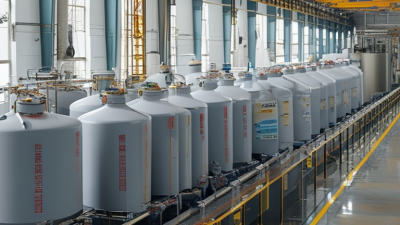
| Packaging and Container Selection | Confirm container material, nominal volume, gross weight, pallet arrangement, seals, and compatibility with the resin. | Common industrial formats include plastic drums, intermediate bulk containers, and bulk shipments; the correct format depends on volume and handling equipment. | Packaging specification, photographs, container integrity check, palletization plan, and dangerous-goods assessment if applicable. | Appropriate packaging reduces leakage, contamination, freezing damage, and handling losses during international transport. |
| Shelf Life and Storage | Check unopened shelf life, minimum remaining shelf life at shipment, storage temperature, and protection from freezing or excessive heat. | Water-based resin shelf life is product-specific; many grades require controlled storage and may be damaged by freezing or prolonged high temperatures. | Shelf-life statement, storage instructions, accelerated-aging information, and lot traceability. | Storage deviations can increase viscosity, create gel, reduce activity, and cause production instability. |
| Batch Consistency | Set acceptance limits for solids, pH, viscosity, appearance, and wet-strength performance. | Release limits should be agreed in writing and should reflect the buyer's process tolerance rather than generic marketing specifications. | Certificate of Analysis for every lot, retained sample policy, lot number, manufacturing date, and nonconformance procedure. | Traceability supports root-cause analysis, claims management, recall readiness, and continuous process control. |
| Supplier Quality System | Evaluate quality-management procedures, laboratory capability, change control, complaint handling, and audit access. | An ISO 9001-certified quality system can support process control, but certification does not by itself prove product performance or regulatory compliance. | Current certificate, audit questionnaire, process-flow chart, quality manual summary, and corrective-action records. | System maturity helps buyers assess long-term reliability beyond a single successful sample. |
| Export and Customs Documents | Confirm that the product description, tariff classification, consignee details, and shipping documents are consistent. | Typical documents include commercial invoice, packing list, bill of lading, certificate of origin where required, SDS, and Certificate of Analysis. | Pre-shipment document set, customs classification review, container loading record, and export declaration information. | Accurate documents reduce customs delays, incorrect duty assessment, and discrepancies between cargo and declared product information. |
| Commercial Evaluation | Compare total delivered cost, effective resin solids, dosage, freight, insurance, duties, testing, and waste disposal. | The lowest purchase price may not provide the lowest cost per metric ton of finished paper or per unit of wet-strength performance. | Delivered-cost model, trial consumption data, payment terms, lead time, minimum order quantity, and annual price-review formula. | A total-cost model supports fair comparison among suppliers and reduces the risk of unexpected landed costs. |
| Buyer Note: The technical ranges shown are indicative market references for initial supplier screening, not universal specifications. Final acceptance should be based on the agreed product specification, destination-country regulations, independent testing where necessary, and a production-representative trial. | ||||
Paul Zhou:8613356391894
Eric Wong:8615963245439
Emily Wu:8617866856171