
How to Use Sulphate Of Potash for Optimal Plant Growth and Fertility
In the realm of horticulture and agriculture, the significance of fertilizers is unquestionable, with "Sulphate Of Potash" emerging as a vital nutrient source for optimal plant growth and fertility. Renowned agronomist Dr. Michael Greenfield emphasizes, "Using Sulphate Of Potash not only enhances plant vigor but also improves the overall quality of fruits and vegetables." This powerful potassium input plays a crucial role in various physiological processes within plants, including water regulation, enzyme activation, and photosynthesis, leading to stronger and healthier crops.
Understanding the proper application of Sulphate Of Potash can yield remarkable results in both home gardens and large-scale farming operations. By enriching the soil with this essential nutrient, farmers and gardeners can expect improved root development, increased drought resistance, and enhanced fruit quality. Moreover, its contribution to the synthesis of sugars and starches further underscores its importance in cultivating nutritious produce.
As we explore the methods to optimize plant growth and fertility using Sulphate Of Potash, it becomes clear that this nutrient is not just an additive, but rather a fundamental component of sustainable agricultural practices. Implementing effective strategies for its use can lead to not only thriving plants but also a more productive and healthy growing environment.
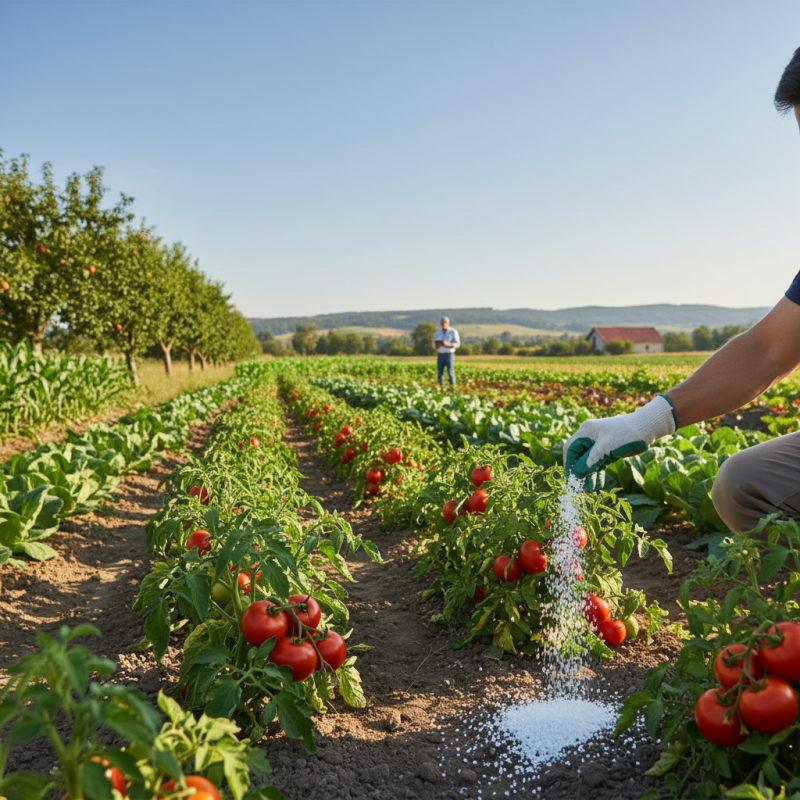
Understanding Sulphate of Potash and Its Benefits for Plants
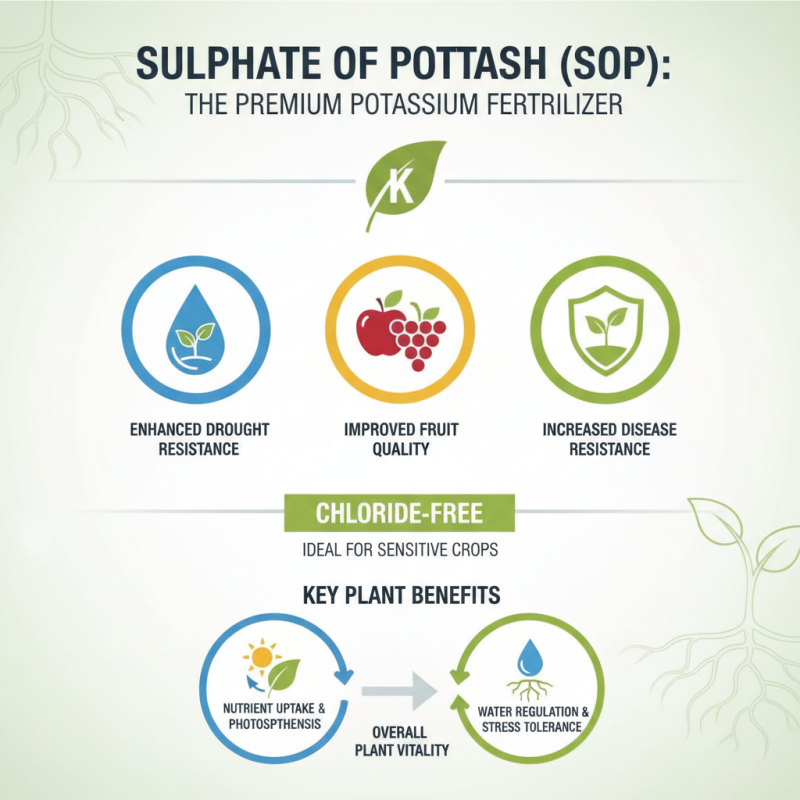
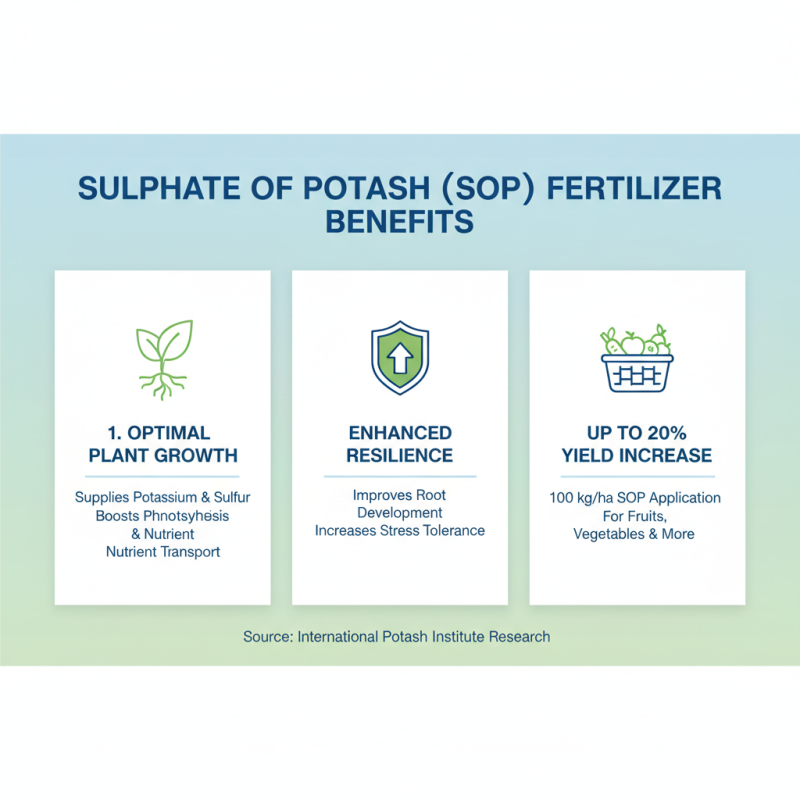
Sulphate of potash (SOP) is a potassium-rich fertilizer that plays a crucial role in promoting plant health and fertility. Unlike other potassium sources, SOP is chloride-free, making it suitable for sensitive plants that require a more balanced nutrient intake. The key benefits of SOP lie in its ability to enhance drought resistance, improve fruit quality, and increase disease resistance. Potassium is vital for various physiological processes in plants, including enzyme activation, photosynthesis, and the regulation of water uptake, all of which contribute to overall plant vitality.
In addition to providing essential nutrients, sulphate of potash also supplies sulfate sulfur, an important secondary nutrient that aids in the synthesis of amino acids and proteins. This contributes to stronger cell walls and can result in improved flavor and nutrient content of fruits and vegetables. The balanced release of nutrients from SOP supports sustained growth over time, thus ensuring that plants not only flourish during their growth stages but also have better yields at harvest. By integrating sulphate of potash into a fertilization program, gardeners and farmers can foster healthier crops, promote soil health, and achieve optimal plant growth.
Related Posts
-
What is Anionic Flocculant? Understanding Its Uses and Benefits
-

What is Organic Flocculant and How it Benefits Water Treatment Processes
-

How to Use Polymer Acrylamide Effectively in Water Treatment Processes
-

Discover the Benefits of Racer Back Singlets for Athletes and Fitness Enthusiasts
-

The Ultimate Guide to Liquid Dosing Pumps in 2025 Top Applications and Trends
-

2025 How to Choose the Best Acrylic Gel Polish for Your Nail Art
-

Phone
-

E-mail
-

Whatsapp
-

WeChat
Jessy Lin
Paul Zhou:8613356391894
Eric Wong:8615963245439
Emily Wu:8617866856171 -
WeChat
Paul Zhou

-
WeChat
Eric Wong

-
WeChat
Emily Wu