2026 How to Use Sulphate Of Potash for Optimal Plant Growth?
In the world of agriculture, understanding plant nutrition is crucial. One essential nutrient is Sulphate Of Potash. Dr. Emily Carter, a leading agronomist, states, "The right balance of nutrients leads to thriving plants." This highlights the importance of using fertilizers effectively.
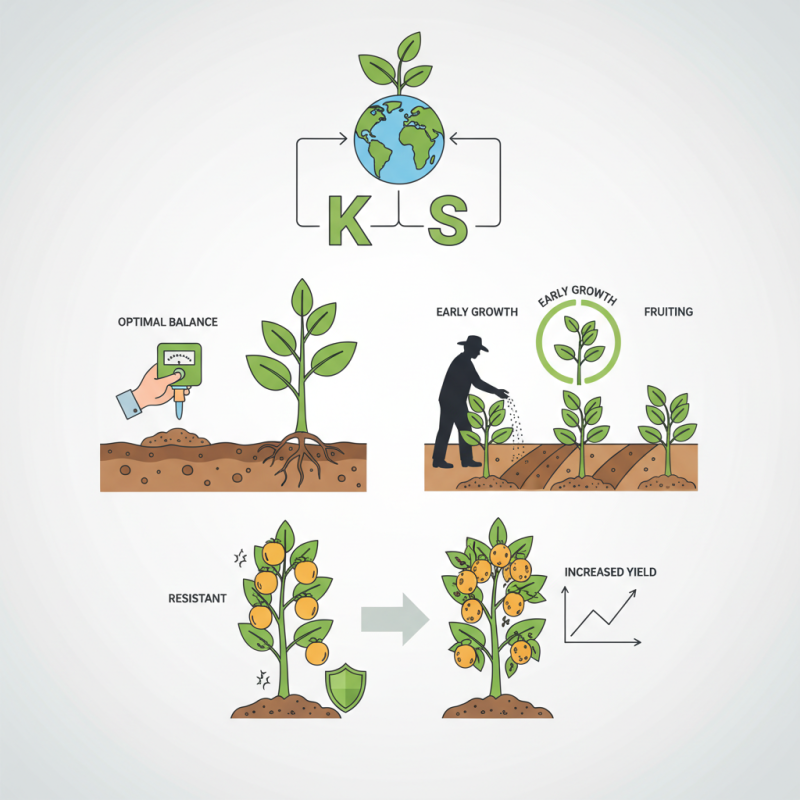
Sulphate Of Potash promotes healthy plant growth by providing potassium and sulfur. These elements help plants resist diseases and improve yield. Farmers often overlook this vital compound. They may rely too heavily on other fertilizers, which can lead to nutrient imbalances.
Using Sulphate Of Potash requires careful consideration. Soil testing is essential to determine the right amount needed. The timing of application also matters. Applying it at the wrong stage may waste resources. Awareness and educated choices can greatly enhance the benefits of this fertilizer.
Understanding Sulphate of Potash and Its Benefits for Plants
Sulphate of Potash is a natural potassium fertilizer. It plays a vital role in promoting healthy plant growth. This compound enhances flower and fruit production. It also boosts plant resistance to diseases. When applied correctly, it can lead to vibrant blooms and abundant harvests.
Using Sulphate of Potash is quite simple. It can be mixed into the soil before planting. Ensure the soil is well-prepared. Too much application can harm the plants, so moderation is key. Regular testing of soil is essential. This helps to prevent over-fertilization.
The benefits extend beyond just growth. It helps plants better withstand drought conditions. This is especially important in changing climates. Observing plant responses to this nutrient can provide valuable insights. It’s crucial to adjust usage based on specific plant needs. Each garden is unique, and what works for one may not work for all. Reflection on plant health can guide future applications.
2026 How to Use Sulphate Of Potash for Optimal Plant Growth? - Understanding Sulphate of Potash and Its Benefits for Plants
| Aspect |
Details |
| Chemical Composition |
Potassium (K), Sulfur (S) |
| Benefits |
Enhances fruit quality, promotes flower development, increases drought resistance |
| Application Rate |
100-200 kg per hectare, depending on soil tests |
| Best Timing for Application |
Before planting and during the growing season |
| Suitable Crops |
Fruits, vegetables, flowering plants, and certain grains |
| Soil pH Preference |
6.0 to 7.5 |
| Environmental Impact |
Low risk of salinity, beneficial for soil health |
Recommended Application Rates for Optimal Plant Growth
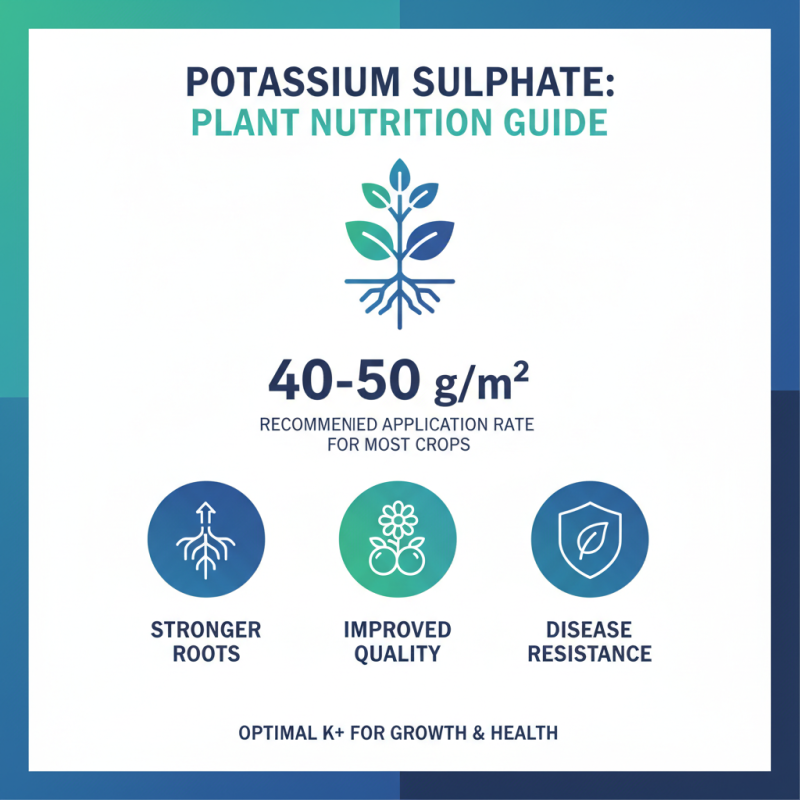
When using sulphate of potash, application rates are crucial for plant health. For most crops, a common recommendation is to apply 40-50 grams per square meter. This amount ensures that potassium levels are optimal for growth. It supports root development, improves flower and fruit quality, and enhances resistance to diseases.
In gardens, the application rate can vary. Some plants might need less, while others require more. For instance, heavy feeders may thrive with 60 grams per square meter. It’s also beneficial to test soil before application. Understanding nutrient levels helps in making informed decisions.
Be mindful of over-application. Excessive potassium can lead to imbalances with other nutrients. A visible sign may be leaf burn or reduced yields. Regularly observing your plants helps identify such issues early. Adjusting rates based on growth stages is also wise. This dynamic approach can lead to better results.
Best Practices for Applying Sulphate of Potash in Soil
When applying sulphate of potash, the timing and method are key to achieving optimal plant growth. Soil tests are vital before application. They help understand nutrient levels and determine how much sulphate of potash is needed. According to a 2022 report by the International Fertilizer Association, potassium deficiency can reduce crop yield by up to 30%. Therefore, accurate testing is crucial.
In field trials, applying sulphate of potash during the early growth stage has shown promising results. An application rate of 100-200 kg per hectare is generally effective, depending on the crop type. Splitting applications throughout the growing season can enhance plant uptake. This method prevents nutrient runoff and ensures consistent nutrient availability. However, some growers overlook the need for balanced soil management, risking nutrient lock-up.
Pay attention to environmental conditions too. Heavy rain can leach nutrients away from the root zone. Additionally, monitor soil pH levels; if too low, potassium availability decreases. Understanding these factors leads to better decision-making. Improving potassium management can be a challenge but significantly boosts plant health and yield.
Timing Your Application: When to Use Sulphate of Potash
Timing your application of sulphate of potash is crucial for optimal plant growth. This nutrient is often used to boost fruit and flower development. It is best applied during the growing season, typically in the spring or early summer. This timing aligns with the plant's nutrient needs. Applying it too early can lead to nutrient leaching, while applying it too late may not benefit the current crop.
Consider the growing conditions of your plants. Soil moisture plays a vital role in nutrient absorption. If the soil is too dry, plants may struggle to take up sulphate of potash effectively. You might notice reduced growth or few flowers. On the flip side, heavy rainfall can wash away some of the nutrients. It's important to monitor weather patterns. Observe your plants regularly; they often show signs of nutrient deficiency. Yellowing leaves or poor fruit set can indicate a need for this potassium source.
Reflect on your application technique as well. Over-application can harm your plants. It might lead to salt buildup in the soil. This can damage roots and hinder growth. Aim for a balanced approach, considering both the needs of your plants and the specific conditions in your garden. Adjustments may be necessary as you gain more experience with different crops. Every season provides an opportunity to learn and refine your methods.
2026 How to Use Sulphate Of Potash for Optimal Plant Growth
This chart illustrates the optimal times for applying Sulphate of Potash to enhance plant growth throughout the year. The recommended quantity (in kg/ha) varies depending on the season, with peak application suggested in mid-summer to support vigorous growth and yield.
Potential Risks and Precautions When Using Sulphate of Potash
When using Sulphate of Potash for plant growth, it's crucial to be aware of potential risks. Over-application can lead to salt buildup in the soil. High salt levels can hinder water absorption. Plants may suffer, leading to poor growth or even death. Monitoring soil salinity is essential.
Another risk is the imbalance of nutrients. Sulphate of Potash mainly provides potassium and sulfur. If not balanced with other nutrients, plants can become deficient. For example, too much potassium can limit magnesium uptake. This can result in yellowing leaves or stunted growth.
Always take precautions when applying. Wear gloves to avoid skin irritation. Use it in moderation. Test your soil first to avoid over-fertilization. Remember, a well-rounded approach to fertilization supports healthy plants. Engaging with local horticulturists can help refine your knowledge on safe practices.