How to Use Polymer Flocculant for Effective Water Treatment Solutions?

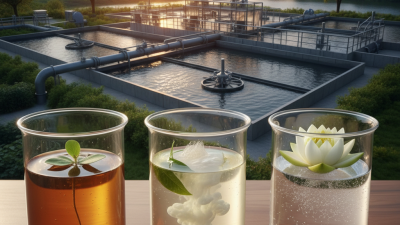
In the quest for cleaner water, Polymer Flocculant emerges as a vital tool. This chemical compound helps to remove impurities effectively. Water treatment facilities rely heavily on this technology. Its impact is significant in both municipal and industrial settings.

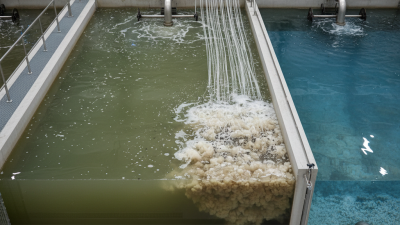
Polymer Flocculant binds to suspended particles, forming larger aggregates. These larger flocs settle more quickly, leading to clearer water. The process seems straightforward, yet it requires careful monitoring. Choosing the right type of flocculant can be challenging. Performance may vary based on water characteristics and the type of pollutants present.

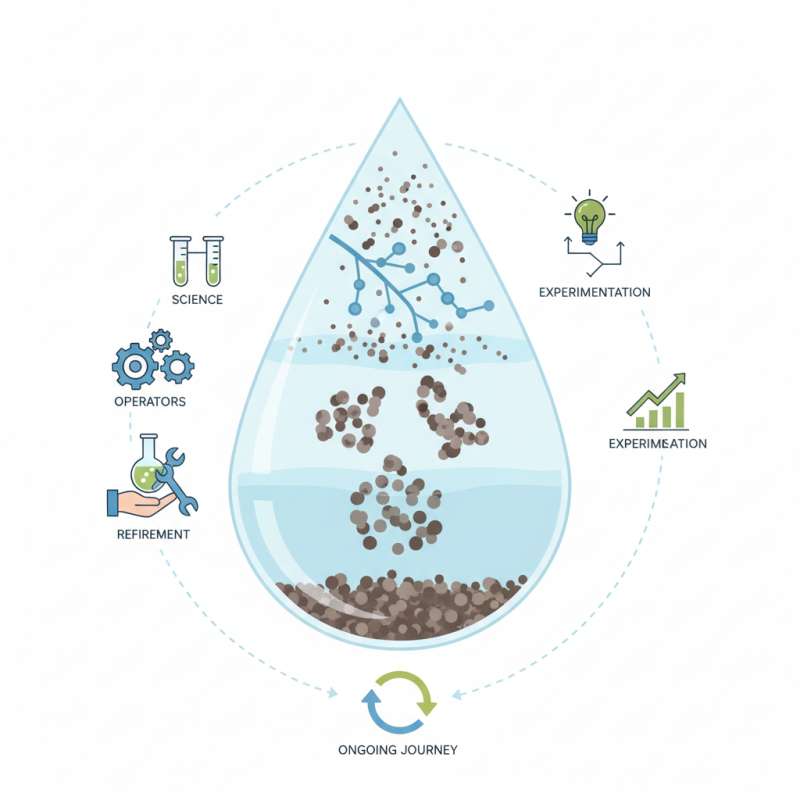
Ultimately, using Polymer Flocculant is an art as much as it is a science. Operators must continually refine their techniques. Experimentation is essential for optimal results. Over time, successes and failures will lead to better practices in water treatment. An ongoing commitment to improvement is necessary. This journey toward effective water solutions is never fully complete.
How to Use Polymer Flocculant for Effective Water Treatment Solutions?

Understanding Polymer Flocculants: Composition and Types in Water Treatment

Polymer flocculants play a crucial role in water treatment. They help remove suspended particles from water, improving clarity and quality. The composition of polymer flocculants varies, including cationic, anionic, and non-ionic types. Each type has unique properties suited for different applications. Cationic flocculants are effective for positively charged particles, while anionic types often handle negatively charged materials.

One critical study published by the American Water Works Association indicates that polymer use can enhance sedimentation rates by up to 50%. This efficient process reduces the volume of sludge produced, saving costs in waste management. However, overuse of these chemicals can lead to poor water quality. Users must monitor dosage closely.

**Tips:** Always conduct jar tests before large-scale application. This helps determine the optimal type and amount of flocculant needed. Keep in mind that environmental factors can influence effectiveness. Humidity and temperature might alter polymer performance, leading to inconsistent results. Regularly evaluate your water treatment process to ensure efficiency.
Mechanisms of Action: How Polymer Flocculants Enhance Sedimentation Rates

Polymer flocculants play a critical role in enhancing sedimentation rates in water treatment processes. These synthetic compounds help increase particle aggregation, leading to faster settling of suspended solids. When introduced into water, they create larger flocs that settle more efficiently. The size of these flocs can significantly impact the clarity of treated water. However, achieving optimal conditions requires careful monitoring and adjustment.

The mechanisms behind their action involve charge neutralization and bridging. Polymer chains can connect multiple particles simultaneously, bridging the gaps between them. This connection encourages larger clusters to form. While effective, it can sometimes lead to overloading, where too much flocculant can create difficult-to-manage volumes of sludge. Striking the right balance is essential for effective treatment.

Improper concentrations can hinder sedimentation rates instead of improving them. Monitoring sedimentation rates post-treatment is critical for success. Regular testing can provide valuable data. Operators need to adapt to varying water qualities and adjust dosages accordingly. It’s a constant learning process. Adapting techniques and strategies based on feedback is essential. A flexible approach ensures the best outcomes and addresses unexpected challenges that may arise in daily operations.

Factors Influencing Polymer Flocculant Effectiveness in Water Treatment Applications

When using polymer flocculants in water treatment, several factors can influence their effectiveness. One major factor is the type of polymer used. Different polymers have varying charge densities and molecular weights. These properties can significantly impact their performance in aggregating suspended particles. Testing various types may reveal better matches for specific water conditions.

Water temperature is another critical element. Higher temperatures can enhance polymer efficiency. However, excessive heat may lead to degradation. Balancing temperature is essential for optimal flocculation. You might find that slight adjustments yield noticeable results.

**Tips:** Always perform small-scale tests to gauge polymer performance. Monitor the pH level, as it can affect flocculant behavior. If the flocculation is insufficient, consider changing the dosage. Too much polymer can create more issues than it solves.

Mixing intensity is vital. Insufficient mixing may not adequately distribute the polymer. This can lead to uneven floc formation. On the other hand, overly aggressive mixing can break flocs apart. Finding the right balance is imperative, and this may require multiple attempts.

**Tips:** Keep track of mixing speeds during trials. Adjust based on observations. Record your results to create a reference for future applications.

How to Use Polymer Flocculant for Effective Water Treatment Solutions?

Parameter Description Influence on Effectiveness
Polymer Type Different polymers (anionic, cationic, nonionic) Specific applications require specific types for optimal performance
Dosage Amount of polymer added to the water Too low may be ineffective; too high can cause issues
Water Chemistry pH, turbidity, salinity levels Impacts floc formation and settling
Mixing Conditions Stirring rate and duration Affects polymer activation and flocculation
Temperature Water temperature during treatment Higher temperatures may enhance reaction rates

Dosage Guidelines: Optimizing Polymer Flocculant Use for Maximum Efficiency

How to Use Polymer Flocculant for Effective Water Treatment Solutions?

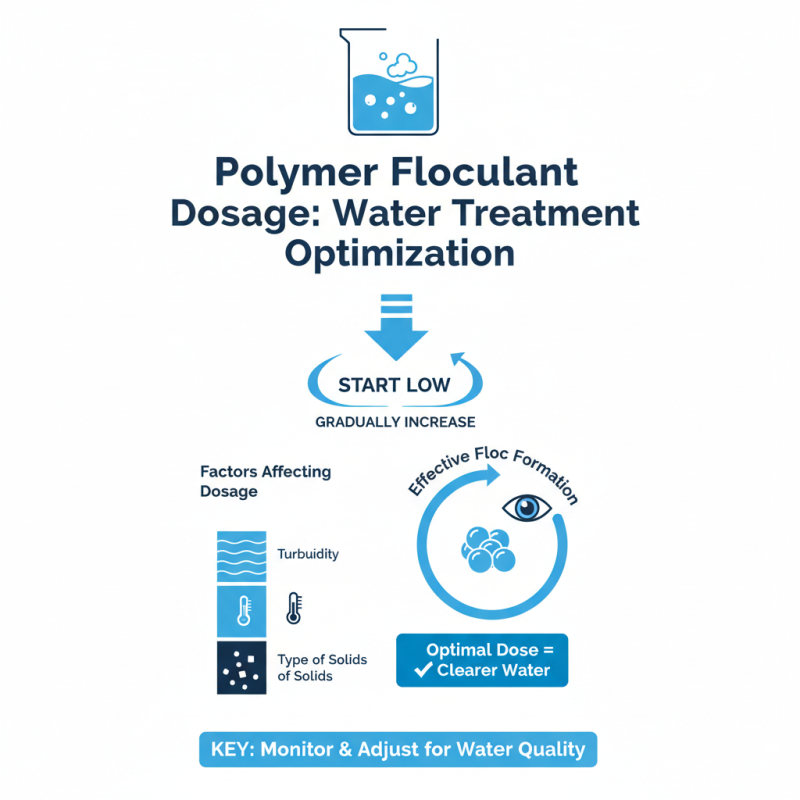
When using polymer flocculants in water treatment, dosage is crucial. The optimal amount can vary based on water quality. Factors include turbidity, temperature, and the type of solids present. A common guideline suggests starting with a low dose. You can increase it gradually until you see effective floc formation.

Monitoring is essential. Use jar tests to evaluate the flocculation process. This involves mixing various polymer concentrations with water samples. Observing the results helps determine the best dosage. Not all water is the same. Each source may require adjustments.

Some might find that too much polymer could lead to issues. Excessive dosages can result in over-flocculation. This can hinder the settling process. It’s important to assess the clarity after treatment. If it’s not where it should be, reevaluate your approach. Small adjustments can significantly affect efficiency. The path to optimal use is iterative and may require repeated testing.

Case Studies: Successful Applications of Polymer Flocculants in Industry

How to Use Polymer Flocculant for Effective Water Treatment Solutions?

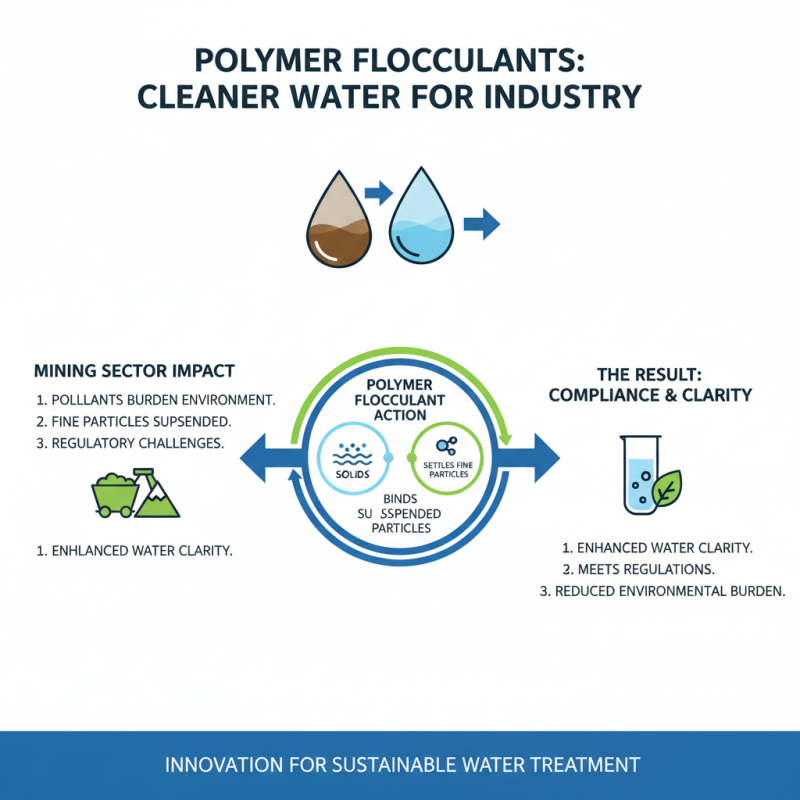
Many industries have successfully implemented polymer flocculants for water treatment. One striking case is in the mining sector. Here, water pollutants often burden the environment. Polymer flocculants help settle fine particles. They enhance the clarity of water after treatment. These substances bind with suspended solids. The result? Cleaner water that meets regulations.

Another notable application is in wastewater treatment plants. Polymer flocculants have proven effective in removing contaminants. Operators report noticeable increases in efficiency. However, challenges remain. Some plants struggle with residual flocculant buildup. This can complicate maintenance processes. Operators must be mindful of this issue.

In construction, polymer flocculants play a key role. They mitigate water pollution during excavation. Projects can proceed without substantial environmental damage. Yet, some users find it hard to optimize dosages. This inconsistency can hinder desired outcomes. Continuous monitoring and adjustment are necessary to improve results.

WhatsApp Online Chat !