How to Use Organic Flocculant for Effective Water Treatment?
In the quest for cleaner water solutions, the use of Organic Flocculant is gaining attention. This natural substance plays a crucial role in water treatment processes. Dr. Emily Carter, a leading expert in environmental engineering, emphasizes its effectiveness: "Organic Flocculant can significantly enhance water purification while being eco-friendly."
Diving into this topic reveals the importance of choosing the right application methods. Organic Flocculant operates by clumping contaminants together, making them easier to remove. This method shows promise in various settings, from municipal water treatment to industrial waste management. However, challenges remain. Some users struggle with proper dosage and timing, leading to inconsistent results.
Practical application of Organic Flocculant requires careful consideration and adjustment. Users must monitor water conditions closely. Mistakes can happen, and some have observed unexpected side effects. Rethinking strategies and adjusting practices can lead to better outcomes. Through diligence and openness to learning, we can harness the full potential of Organic Flocculant for effective water treatment.
Understanding Organic Flocculants and Their Role in Water Treatment
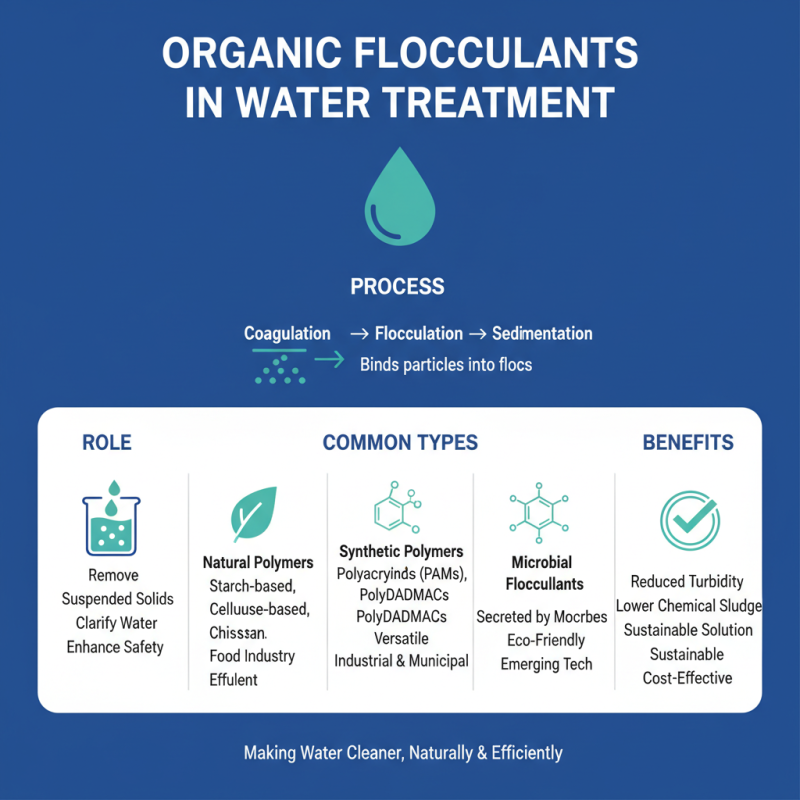
Organic flocculants play a vital role in water treatment. They are natural substances used to aggregate suspended particles in water, making it easier to remove them. Studies show that using organic flocculants can enhance the efficiency of the sedimentation process by up to 50%. This is particularly important in treating industrial wastewater, where heavy metals and organic pollutants are present.
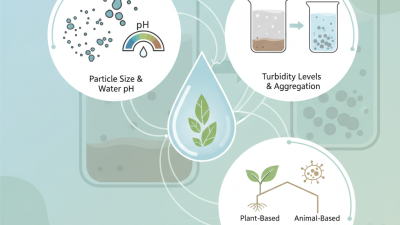
When implementing organic flocculants, it's essential to monitor pH levels. The effectiveness of flocculants can vary significantly with pH changes. For optimal performance, maintain the pH between 6.5 and 8.5. Regular testing ensures consistent results. It might also be worthwhile to conduct jar tests with different dosages of flocculants. This will help determine the most effective quantity for specific water conditions.
Tips: Always consider the source of your organic flocculant. Not all sources provide the same quality. In some cases, impurities may hinder the flocculation process. Testing before application is crucial. Additionally, keep an eye on the turbidity levels of treated water. If the clarity doesn't improve, it may indicate the need for process adjustments.
Step-by-Step Guide to Applying Organic Flocculants for Water Purification
Applying organic flocculants in water treatment can significantly improve purification efficiency. These natural agents, derived from renewable sources, are effective in aggregating suspended particles. Research indicates that using organic flocculants can enhance sedimentation rates by 30% compared to conventional methods.
A step-by-step approach is vital for successful application. Begin by preparing a concentrated flocculant solution. Then, dosage is crucial; too low won’t be effective, while too high may cause waste. Studies show optimal dosages typically range between 5 to 20 mg/L depending on water quality. It’s essential to monitor pH levels, as they impact flocculant performance. Ideal conditions usually lie within a pH of 6 to 8.
While many successes are reported, challenges do exist. For example, some organic flocculants may be sensitive to water temperature. Additionally, varying turbidity levels can lead to inconsistent results. It's necessary to adjust processes accordingly. Understanding these nuances can help refine the treatment, making water clearer and safer for use.
Effectiveness of Organic Flocculants in Water Treatment
This chart illustrates the effectiveness of various organic flocculants in reducing turbidity levels in water treatment. The data represents the percentage reduction in turbidity after treatment with different organic flocculants.
Monitoring and Adjusting pH Levels During Flocculant Application
Proper pH management is crucial when using organic flocculants in water treatment. The ideal pH level allows for maximum flocculant efficiency. If the pH is too low or too high, the flocculation process may become less effective. Regular monitoring is necessary to ensure optimal results.
During flocculant application, start by testing the water’s pH level. Use a reliable pH meter or test strips for accuracy. Adjust the pH using suitable additives. For instance, sodium bicarbonate can raise pH, while citric acid can lower it. Avoid sudden changes; these can shock the water system.
Tips: Always measure the pH after adding flocculants. This will give you a clear picture of your adjustments. If results are inconsistent, revisit your pH adjustment methods. Sometimes, trial and error leads to better practices. Keep a log of pH levels before and after treatments. Over time, this data will reveal patterns and help refine your approach.
Be mindful that each water source is unique. What works well in one situation may not yield the same results in another. Patience is key. Adjustments may take time to show visible improvements in water clarity.
How to Use Organic Flocculant for Effective Water Treatment?
| Parameter |
Optimal Range |
Measurement Frequency |
Adjustment Method |
| pH Level |
6.5 - 7.5 |
Every Hour |
Add Citric Acid or Sodium Hydroxide |
| Turbidity |
< 5 NTU |
Twice Daily |
Adjust Flocculant Dosage |
| Temperature |
15 - 25 °C |
Daily |
Temperature Control |
| Flocculant Dosage |
10 - 30 mg/L |
Per Batch |
Titrate Based on Flocculation Efficiency |
Best Practices for Safe Handling and Storage of Organic Flocculants
Organic flocculants play a crucial role in water treatment. However, their safe handling and storage are often overlooked. According to the Water Environment Federation, improper handling can lead to contamination. It is essential to understand the best practices.
Store organic flocculants in a cool, dry place. Avoid direct sunlight, as UV exposure can degrade these compounds. Containers should be tightly closed. Labeling is vital for quick identification and to prevent mix-ups. Research shows that 30% of accidents result from incorrect labeling. To mitigate risks, consider implementing a color-coded system.
Personal protective equipment (PPE) is important when working with flocculants. Gloves and masks can minimize exposure risks. The American Chemical Society indicates that skin irritation is common in improper handling. Use tools that reduce direct contact. Regular training sessions can reinforce these safety practices. Despite these precautions, mistakes can happen. Reflecting on past incidents can enhance future safety protocols.