Top 10 Coagulant Chemicals for Water Treatment Solutions?
In water treatment, choosing the right coagulant chemical is essential. It plays a critical role in improving water quality. Coagulant chemicals help remove particles and impurities from water. This process leads to clearer and safer water supplies.
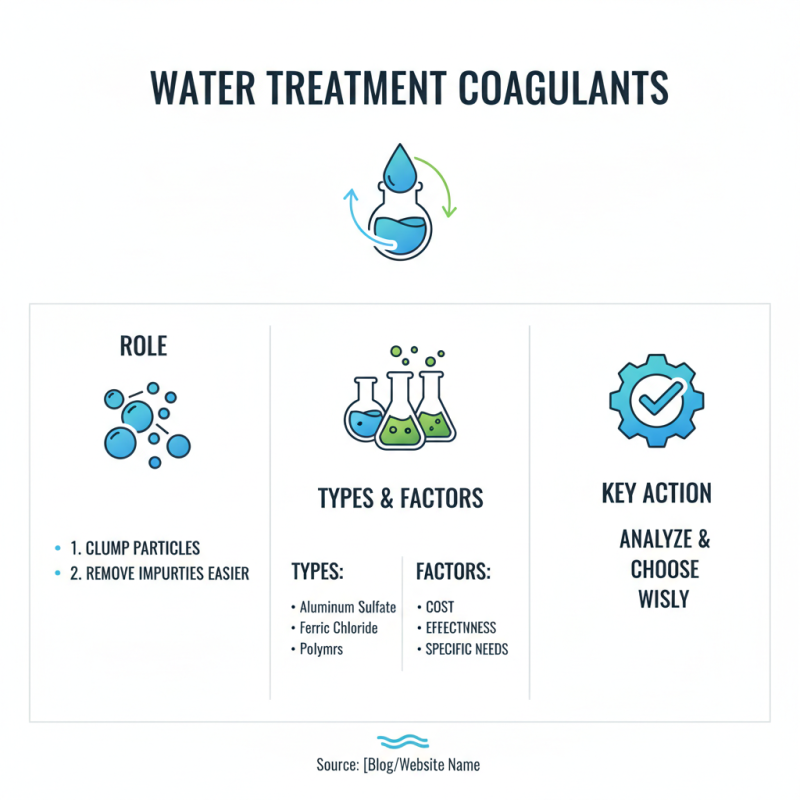
Many options exist for coagulant chemicals, each with unique properties. Some may be more effective in specific situations. For instance, Alum is a common choice due to its cost-effectiveness. Yet, it may not always offer the best results. On the other hand, Ferric chloride is efficient but can be more expensive.
Understanding the top 10 options available can make a significant difference. Selecting the right coagulant chemical is not just about cost. It involves assessing efficiency, environmental impact, and application type. As we dive into these chemicals, it’s crucial to reflect on their advantages and limitations. This awareness will enhance decision-making in water treatment processes.
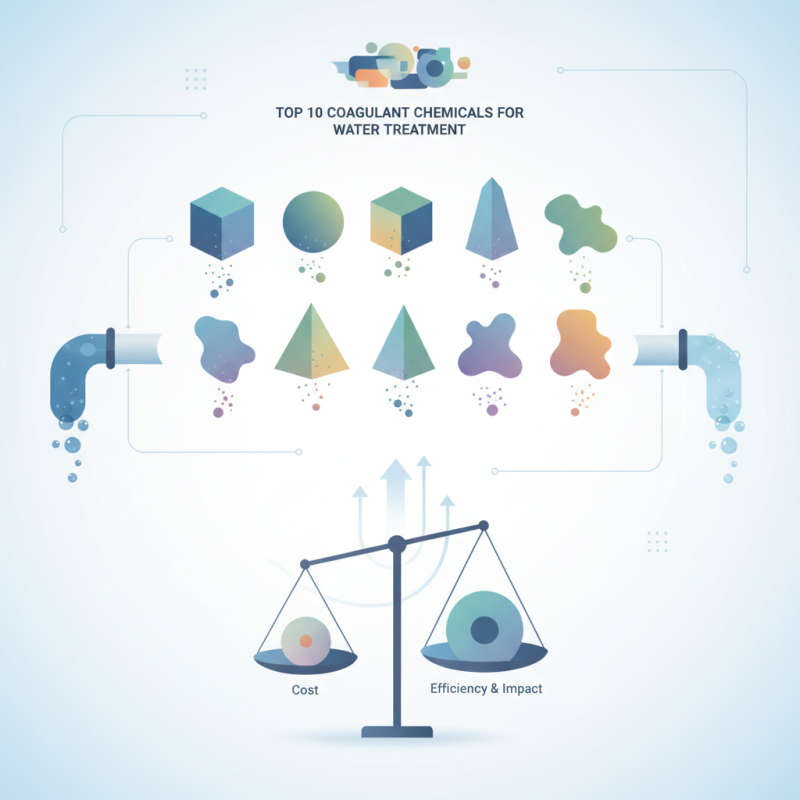
Top 10 Coagulant Chemicals: Overview and Importance in Water Treatment
Coagulant chemicals play a vital role in water treatment solutions. They help to remove suspended particles and impurities, clarifying the water. Without them, water would remain turbid and unsafe for consumption. Common coagulants include aluminum sulfate and ferric chloride. These compounds bind particles together, allowing them to settle out during the sedimentation process.
While coagulants are effective, they can have downsides. Overuse may lead to residual chemicals in the treated water. This can affect taste and safety. Additionally, incorrect dosing might cause inefficient particle removal. Operators need to carefully monitor these variables to ensure optimal performance.
In some cases, coagulants may react unpredictably with organic matter. This can create undesirable compounds. Understanding the water source is crucial. Testing and adjustments are necessary to optimize the treatment process. Each step requires attention to detail and a willingness to learn from previous outcomes.
Top 10 Coagulant Chemicals for Water Treatment Solutions
This bar chart displays the effectiveness of the top 10 coagulant chemicals used in water treatment measured in mg/L. Coagulants play a crucial role in the water treatment process by aiding in the removal of suspended particles, thus improving water quality.
Chemical Properties: Analyzing Effectiveness of Coagulants in Water Purification
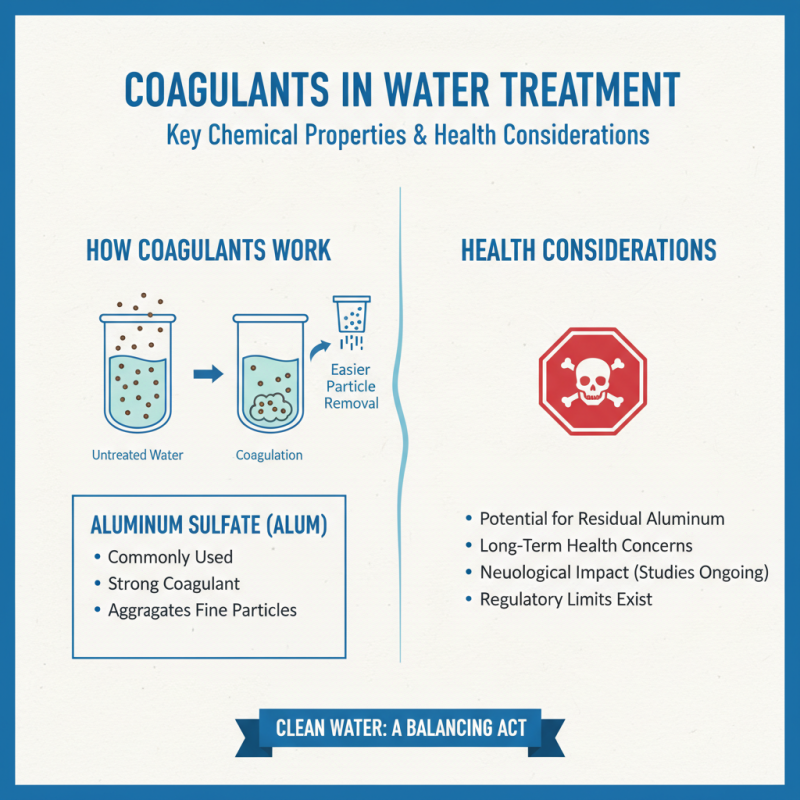
Coagulants play a vital role in water treatment processes. Their chemical properties significantly influence their effectiveness in purifying water. For instance, aluminum sulfate is widely used due to its strong coagulating ability. It helps aggregate fine particles, making them easier to remove. However, it can lead to residual aluminum in water. This poses concerns for long-term human health, which is something to consider.
Another common coagulant is ferric chloride. It is effective at lower pH levels. This makes it a handy choice for various water sources. However, it can produce a considerable amount of sludge, which complicates disposal. The environmental impact of this waste requires careful attention. Furthermore, while cationic polymers show promise in specific applications, their long-term effects on ecosystems are less understood.
These examples illustrate that the choice of coagulant can vary greatly based on water quality and desired outcomes. Each option has its own strengths and weaknesses. It’s crucial to analyze these factors continuously. This understanding leads to smarter choices in water treatment solutions. Exploring new coagulant options may also uncover more efficient alternatives, but research is essential.
Environmental Impact: Assessing the Safety of Coagulant Chemicals in Use
Coagulant chemicals play a crucial role in water treatment. They help remove impurities and clarify water. However, their environmental impact requires careful assessment. Some coagulants can lead to harmful byproducts. These may affect aquatic ecosystems.
When selecting coagulants, consider their safety profiles. Look for options that are effective yet less harmful. This balance is vital to maintain water quality and protect the environment.
Tips for choosing coagulants:
- Research the chemical composition.
- Evaluate the biodegradability of each option.
- Monitor local regulations regarding chemical use.
It’s essential to reflect on the potential risks. For example,
excessive use can alter water chemistry. This may lead to unintended consequences. It’s beneficial to prioritize sustainable practices in water treatment.
Emerging Trends: Innovations in Coagulant Solutions for Water Treatment Systems
Emerging trends in coagulant solutions are reshaping water treatment systems. Innovations such as bio-based coagulants are gaining traction. These alternatives can significantly reduce chemical usage. Studies suggest that natural coagulants improve water quality without harming ecosystems. The global market for coagulants is estimated to exceed $2.3 billion by 2025, according to industry reports.
New technologies are also on the rise. For example, advanced oxidation processes (AOPs) integrate coagulants with other treatment methods. This combination enhances pollutant removal from water sources. Some reports indicate an up to 30% increase in efficiency in certain conditions. However, the cost implications must be examined closely. Not all facilities can afford these innovations.
Tips: Always consider local water quality when selecting coagulants. Each region may have unique challenges. Continuous research in this field is essential. Don't overlook the potential of collaborative approaches in finding solutions. Engage with local experts to balance innovation and practicality.
Top 10 Coagulant Chemicals for Water Treatment Solutions
| Coagulant Chemical |
Application |
Dosage (mg/L) |
Advantages |
| Aluminium Sulfate |
Sedimentation |
20-200 |
Effective in a wide pH range |
| Ferric Chloride |
Flocculation |
10-100 |
High efficiency for turbidity removal |
| Poly-Aluminium Chloride (PAC) |
Drinking Water Treatment |
15-150 |
Lower sludge production |
| Sodium Aluminate |
Pre-treatment for Membranes |
5-50 |
Improves membrane lifetime |
| Calcium Hydroxide |
Water Softening |
20-200 |
Reduces hardness |
| Cationic Polyelectrolytes |
Sludge Thickening |
1-10 |
Enhances sludge dewaterability |
| Bentonite Clay |
Clarification |
10-100 |
Natural coagulant |
| Chitosan |
Organic Waste Treatment |
5-25 |
Biodegradable and non-toxic |
| Natural Polymers |
Vegetable Oil Treatment |
10-60 |
Sustainable source |
| Magnesium Hydroxide |
pH Adjustment |
20-200 |
Effective in alkaline conditions |