Top Anionic Flocculants for Effective Water Treatment Solutions
Recent advancements in water treatment solutions have brought attention to the pivotal role of anionic flocculants. These high-performance polymers have gained prominence due to their effectiveness in aggregating suspended particles, facilitating efficient sedimentation, and ensuring cleaner effluents. As Dr. Emily Dawson, an expert in water treatment processes, aptly stated, "The use of anionic flocculants is not just a technique; it’s a necessary evolution in our approach to sustainable water management."
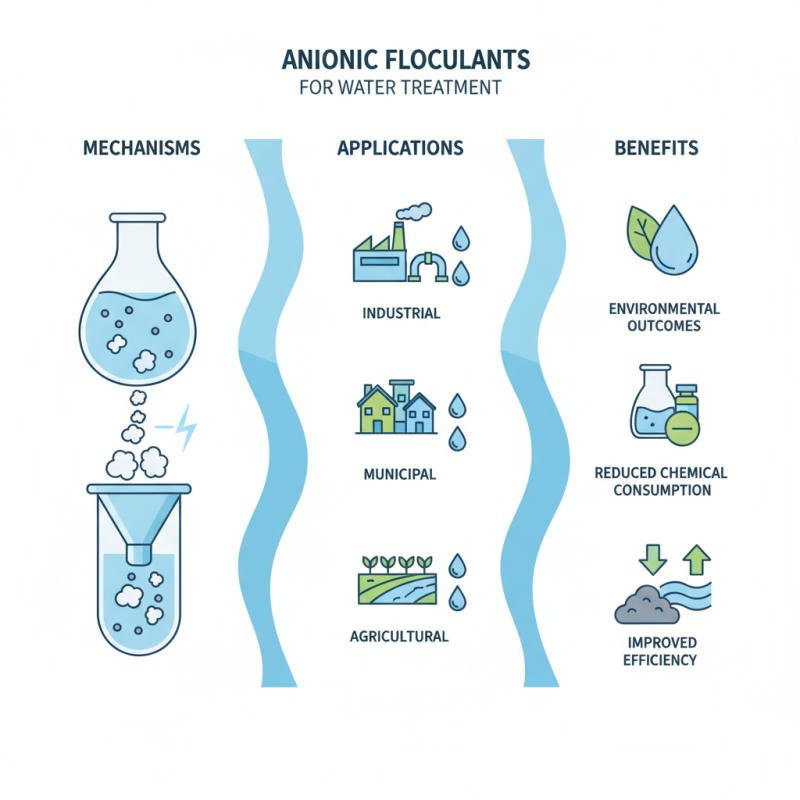
In the pursuit of innovative and sustainable solutions for water purification, understanding the mechanisms and applications of anionic flocculants is crucial. By leveraging their electrostatic properties, these flocculants can significantly enhance the clarity of water in various sectors, including industrial, municipal, and agricultural systems. This introduction sets the stage to explore the top anionic flocculants currently available, examining their chemical properties, usage scenarios, and the positive impact they have on enhancing water treatment efficiency.
Through this analysis, we will delve into important aspects such as their formulation, application techniques, and the benefits they offer in reducing chemical consumption and improving environmental outcomes. The initiative to embrace anionic flocculants marks a transformative step in the water treatment industry, promising cleaner water for communities and ecosystems alike.
Overview of Anionic Flocculants in Water Treatment
Anionic flocculants have emerged as a vital component in the water treatment sector, particularly due to their effectiveness in aggregating fine particles and enhancing sedimentation processes. These water-soluble polymers, which carry a negative charge, interact with positively charged particles, such as clays and organic matter, facilitating the formation of larger flocs. According to industry reports, the global flocculants market is expected to grow significantly, with an estimated CAGR of around 5.4% from 2021 to 2026, driven by a robust demand for advanced water treatment methods.
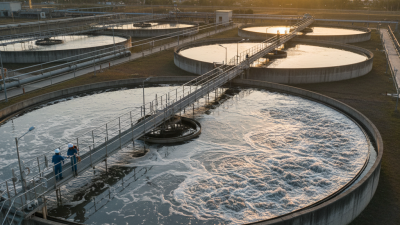
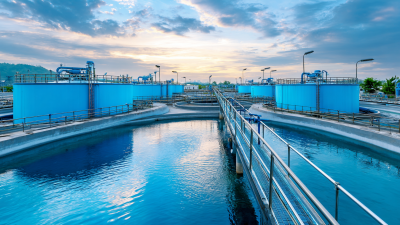
The role of anionic flocculants is particularly crucial in municipal wastewater treatment facilities, where their ability to improve settling rates significantly reduces the overall operational costs. Studies have shown that using anionic flocculants can increase sedimentation efficiency by over 30%, which not only optimizes the treatment process but also enhances the clarity of treated water. In addition, these flocculants are also applied in various industrial processes, such as mining and pulp and paper manufacturing, where they assist in the removal of suspended solids. As regulations regarding effluent discharge become stricter, the effectiveness of anionic flocculants positions them as essential tools for achieving compliance and promoting environmental sustainability.
Top Anionic Flocculants for Effective Water Treatment Solutions
Key Mechanisms of Anionic Flocculants for Effective Flocculation
Anionic flocculants play a crucial role in water treatment processes by utilizing their negative charge to aggregate suspended particles. This negative charge creates an attractive force between the flocculant and positively charged impurities or particles in water. As particles collide and bond, they form larger aggregates, or flocs, which are easier to separate from the water. This mechanism not only enhances the efficiency of solid-liquid separation but also improves overall water clarity, making it a critical factor in various applications, including municipal wastewater treatment, industrial water recycling, and even in the food and beverage industry.
Moreover, the effectiveness of anionic flocculants is often influenced by factors such as molecular weight, charge density, and the presence of other ions in the solution. High molecular weight flocculants typically provide better performance as they offer more sites for particle interaction, leading to larger floc formation. Charge density is also vital; an optimal balance ensures that the flocculant can effectively neutralize the charge of the suspended particles without excessive hindrance. By understanding these key mechanisms, industries can fine-tune their water treatment processes, selecting the most suitable anionic flocculants to achieve high efficiency and desired water quality standards.
Comparison of Different Types of Anionic Flocculants
Anionic flocculants have emerged as key agents in water treatment processes, effectively aiding the aggregation of suspended particles to form larger flocs that can be easily removed. Their performance can vary significantly based on molecular weight, charge density, and the presence of functional groups. According to industry reports, high molecular weight anionic flocculants are particularly effective for applications in wastewater treatment, achieving flocculating efficiencies of over 90% in many scenarios.
When comparing different types of anionic flocculants, two major categories come to the forefront: synthetic and natural. Synthetic anionic flocculants, such as polyacrylamides, are widely used due to their customizable properties, allowing for enhanced performance in various treatment setups. On the other hand, natural flocculants, derived from plant materials, offer eco-friendly solutions but may have limitations in high-turbidity environments. Research indicates that synthetic flocculants can yield a significantly higher settling velocity, with rates surpassing 30 m/h in certain conditions, making them preferable for large-scale industrial applications.
Tips: When selecting anionic flocculants for specific water treatment needs, consider testing different formulations to determine the most effective option for your conditions. Additionally, monitor the dissolution process closely; optimal flocculation is often achieved with proper mixing rates to ensure that the flocculant is evenly distributed throughout the water.
Top Anionic Flocculants for Effective Water Treatment Solutions
| Flocculant Type |
Molecular Weight (Mn) |
Charge Density |
Application Area |
Efficiency (%) |
| Polyacrylate |
5,000 - 15,000 g/mol |
Medium |
Municipal Wastewater |
85% |
| Sodium Polystyrene Sulfonate |
10,000 - 30,000 g/mol |
High |
Industrial Wastewater |
90% |
| Starch-based Flocculants |
20,000 - 50,000 g/mol |
Low |
Agricultural Runoff |
75% |
| Polyacrylamide |
5,000 - 20,000 g/mol |
Medium to High |
Mining Effluents |
88% |
| Acrylic Acid Copolymer |
15,000 - 25,000 g/mol |
Medium |
Paper and Pulp Industry |
82% |
Environmental Impact and Safety Considerations of Anionic Flocculants
Anionic flocculants are widely used in water treatment processes due to their effectiveness in aggregating suspended particles and improving the clarity of water. However, the environmental impact and safety considerations associated with these chemicals are increasingly becoming a focal point for regulators and industries alike. Many anionic flocculants are synthesized from natural or synthetic polymers, and their biodegradability varies substantially. As such, their persistence in the environment and potential to accumulate in aquatic ecosystems pose concerns that need to be addressed to ensure sustainable practices.
When implementing anionic flocculants, it is crucial to consider the toxicity levels to aquatic life. Some anionic flocculants may exhibit harmful effects on fish and other organisms in water bodies if not adequately managed. Safety protocols must be established to minimize exposure and implement appropriate treatment methodologies that mitigate risks to the environment. Moreover, thorough risk assessments should be conducted during the selection and application stages of flocculant use to strike a balance between their operational effectiveness and potential ecological impacts. Using alternative, less harmful substances or optimizing application methods can further enhance safety and environmental compatibility in water treatment solutions.
Application Case Studies: Success Stories in Water Treatment Solutions
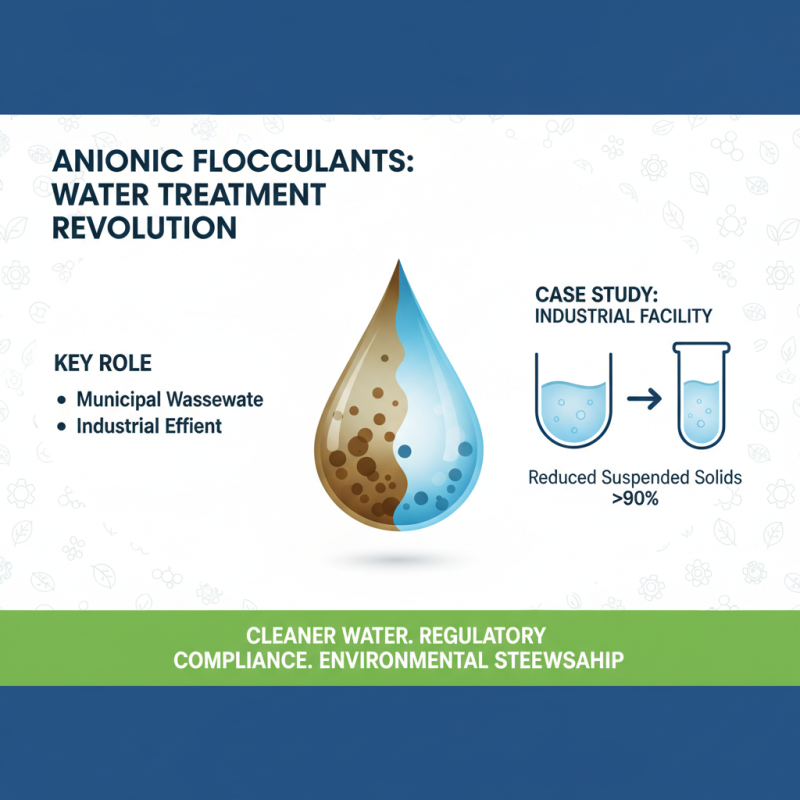
Anionic flocculants have become a cornerstone in the realm of water treatment, playing a vital role in various applications from municipal wastewater management to industrial effluent treatment. One notable case study highlights an industrial facility that struggled with high turbidity in its wastewater. By implementing an anionic flocculant, the facility successfully reduced suspended solids by over 90%, resulting in clearer effluent and compliance with environmental regulations. This not only improved the facility's operational efficiency but also bolstered its reputation as a responsible entity committed to environmental stewardship.
Another success story involves a municipal water treatment plant that faced challenges with algae blooms affecting drinking water quality. The plant adopted a tailored approach using anionic flocculants to enhance the sedimentation process of algae and other particulates. By optimizing the dosage and application method, the plant achieved significant reductions in algae concentrations, leading to improved water clarity and safety for the community. These case studies underscore the effectiveness of anionic flocculants in achieving desirable outcomes in both industrial and municipal water treatment scenarios, demonstrating their invaluable role in addressing water quality challenges.