Top 10 Tips for Using Polymer Flocculants Effectively in Water Treatment

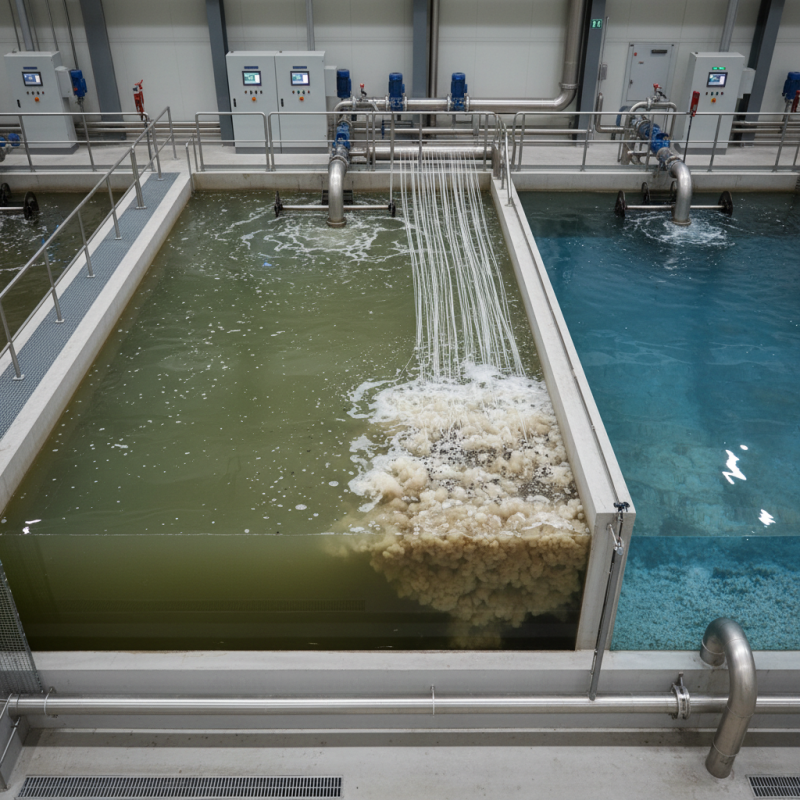
In the realm of water treatment, the use of polymer flocculants has become an essential process for enhancing the efficiency of solid-liquid separation. These synthetic polymers play a crucial role in binding smaller particles together, forming larger flocs that can be easily removed from water. By optimizing the flocculation process, industries can achieve improved clarity in water while also minimizing waste and operational costs. However, effectively utilizing polymer flocculants requires a nuanced understanding of their properties and the factors affecting their performance.

This guide presents the top 10 tips for using polymer flocculants effectively, providing valuable insights for water treatment professionals aiming to maximize the benefits of these materials. From selecting the appropriate type of polymer flocculant to adjusting application rates and monitoring performance, each tip is designed to enhance the treatment processes. As the demand for clean water continues to rise, mastering the use of polymer flocculants becomes paramount for the sustainability and efficiency of water treatment systems.
Top 10 Tips for Using Polymer Flocculants Effectively in Water Treatment

Understanding Polymer Flocculants and Their Role in Water Treatment
Top 10 Tips for Using Polymer Flocculants Effectively in Water Treatment

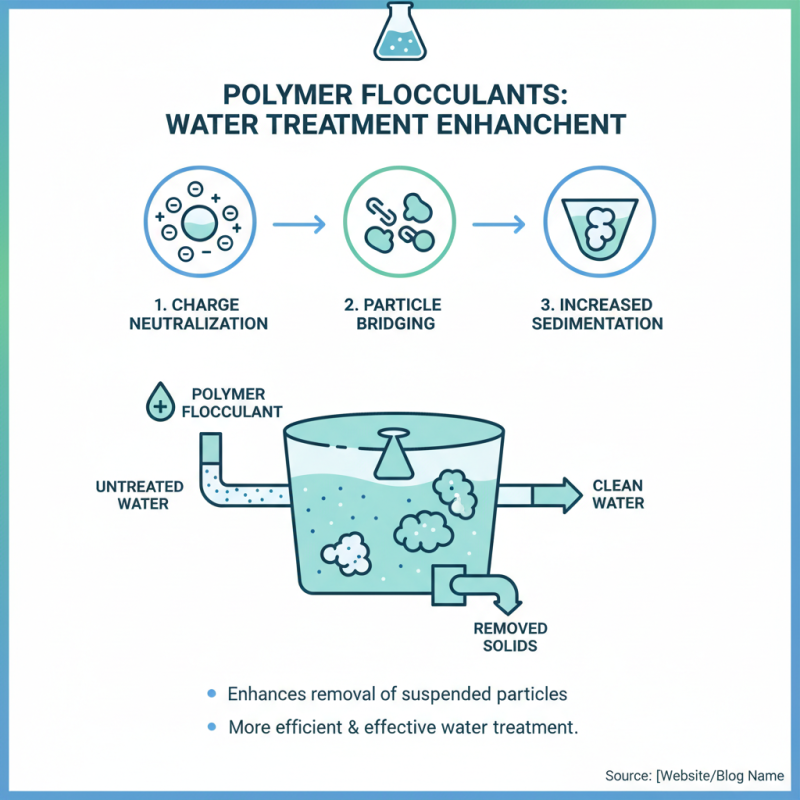
Polymer flocculants play a crucial role in the water treatment process by enhancing the removal of suspended particles and impurities. These synthetic compounds are designed to agglomerate fine particles into larger flocs, making them easier to capture and remove from water systems. The mechanism begins with the charge neutralization of the particles, followed by the bridging of particles together, which ultimately leads to increased sedimentation rates. Understanding the chemistry behind these flocculants allows operators to optimize their use, leading to more efficient and effective water treatment processes.

When implementing polymer flocculants in water treatment, it is essential to consider factors such as the type of water being treated, the specific contaminants present, and the desired outcome of the treatment process. Different polymers have distinct properties that make them suitable for varying applications, whether it’s in municipal water systems, industrial processes, or wastewater treatment. Proper dosage and mixing conditions are also critical, as they influence the performance of the flocculant. Thus, a thorough understanding of polymer flocculants and their functionality can significantly improve water clarity and quality, ensuring compliance with environmental standards and enhancing overall system efficiency.
Identifying the Right Type of Polymer for Specific Water Conditions

When selecting the appropriate polymer flocculant for water treatment processes, it is vital to consider the specific characteristics of the water being treated. Factors such as turbidity levels, pH, and the presence of organic or inorganic contaminants can greatly influence the effectiveness of different types of polymers. For instance, a study published by the American Water Works Association indicated that anionic polymers are typically more effective in alkaline conditions with high organic content, while cationic polymers perform better in low pH environments with significant amounts of suspended solids.

Furthermore, the molecular weight of the polymer plays a crucial role in its performance. Research by the Water Environment Federation has shown that polymers with higher molecular weights are more efficient in bridging and binding particles together, which results in improved floc formation. However, the optimal choice often requires balance; excessively high molecular weight can lead to difficulties in application, while lower molecular weight polymers may not provide adequate flocculation under certain conditions. Careful analysis and testing are essential to identify the right type of polymer that aligns with the specific water quality parameters and treatment goals, ensuring an effective and efficient water treatment solution.

Effectiveness of Different Polymer Flocculants in Water Treatment

This chart illustrates the effectiveness of various polymer flocculants in different water conditions based on their performance in terms of sedimentation rate (in %). The data compares four types of polymers across varying turbidity levels.

Optimal Dosage and Application Techniques for Effective Flocculation

When utilizing polymer flocculants in water treatment, determining the optimal dosage is crucial for achieving effective flocculation. The right dosage depends on several factors, including the characteristics of the water being treated, such as turbidity, organic matter content, and the presence of other chemicals. Conducting jar tests can be an effective way to evaluate the best dosage in a controlled environment, allowing for adjustments based on real-time observations of floc formation and settling rates.

In addition to dosage, application techniques play a key role in enhancing the flocculation process. Proper mixing is essential to ensure that the polymer is evenly distributed within the water. This can be achieved by using rapid mixing to break down the polymer into smaller chains, followed by slow mixing to encourage the formation of larger flocs. Timing and sequence of the addition are also critical; polymers should be introduced at the point where they can immediately interact with the particles, optimizing the agglomeration process. By carefully monitoring these parameters, water treatment facilities can significantly improve the efficiency of flocculation, leading to clearer water with less residual pollution.

Top 10 Tips for Using Polymer Flocculants Effectively in Water Treatment

Tip No. Tip Description Optimal Dosage (ppm) Application Technique
1 Determine the appropriate polymer type for your water chemistry. 5 - 15 Jar testing before full-scale application.
2 Adjust the pH levels for better coagulation. 10 - 20 Continuous mixing during the addition.
3 Start with a lower dosage and gradually increase. 3 - 12 Careful monitoring of floc formation.
4 Ensure proper mixing time for effective flocculation. 15 - 25 Use dynamic mixers for optimal results.
5 Monitor the turbidity levels after treatment. 5 - 15 Adjust dosage based on turbidity readings.
6 Use a flocculation aid to enhance performance. 6 - 18 Combined with polymer flocculants.
7 Test for optimal shear rates for floc breakage. 8 - 16 Controlled flocculation conditions.
8 Conduct regular maintenance of equipment. N/A Ensure mixers and tanks are clean.
9 Evaluate post-treatment water quality frequently. 5 - 14 Use online monitoring tools.
10 Train staff regularly on flocculation techniques. N/A Hands-on training sessions.

Monitoring and Adjusting Treatment Processes for Maximum Efficiency

Top 10 Tips for Using Polymer Flocculants Effectively in Water Treatment

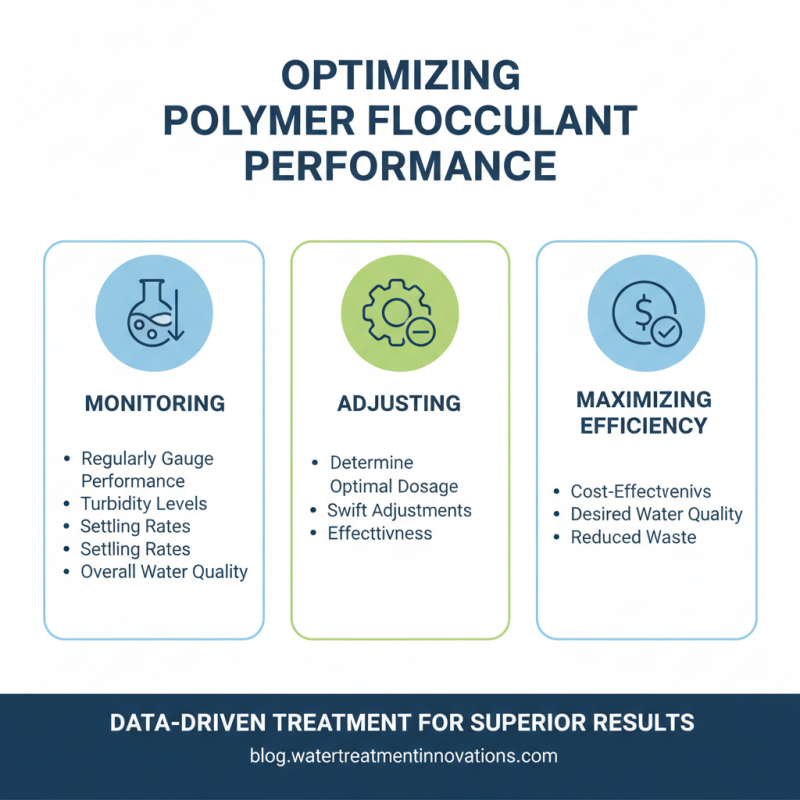
Monitoring and adjusting treatment processes are crucial for maximizing the efficiency of polymer flocculants in water treatment. Regular monitoring allows operators to gauge the performance of flocculants and determine the optimal dosage needed to achieve desired results. By keeping an eye on key parameters such as turbidity levels, settling rates, and overall water quality, adjustments can be made swiftly, ensuring that the treatment is both effective and economical.

Implementing real-time data collection systems can greatly enhance monitoring efforts. This can include using sensors and automated data logging tools to track changes continuously. The insights gained from real-time data can help operators make informed decisions on when to alter the dosage or modify the application techniques. Regularly reviewing this data not only aids in calibrating the treatment processes but also contributes to identifying any potential inefficiencies swiftly.

One effective tip is to conduct periodic jar tests to compare the performance of different dosages and polymer types. This practice helps to establish a baseline and refine the treatment approach based on empirical data, which ultimately leads to better flocculation and clearer effluent. Additionally, training staff in interpreting monitoring results ensures that adjustments are based on sound judgment, fostering an environment of continuous improvement in water treatment processes.

Evaluating the Environmental Impact of Polymer Flocculants in Water Use

The environmental impact of polymer flocculants in water use is an increasingly vital area of study as the demand for sustainable water treatment solutions grows. Polymer flocculants serve a crucial role in enhancing the efficiency of separating solids from liquids in various water treatment processes. A report by the Water Environment Federation (WEF) notes that the use of flocculants can significantly reduce the volume of sludge produced during treatment, which can lead to lower disposal costs and a reduced environmental footprint.

However, the potential ecological effects of these chemicals must also be considered. Studies indicate that some synthetic polymer flocculants may break down into microplastics, which can accumulate in aquatic ecosystems and pose risks to marine life. According to a recent environmental assessment by the European Chemicals Agency (ECHA), approximately 12% of the polymers used in water treatment could form microplastics, emphasizing the need for further research into their life cycle and environmental interactions.

Moreover, responsible use of polymer flocculants involves careful consideration of their sourcing and degradation processes. Sustainable alternatives or biodegradable polymers could mitigate the environmental risks associated with traditional flocculants. As highlighted in a publication from the International Water Association (IWA), advancing research in bio-based flocculants could lead to innovative solutions that meet both efficacy and environmental safety standards, marking an essential step towards more sustainable water treatment practices.

WhatsApp Online Chat !