Why Choose Organic Flocculants for Sustainable Water Treatment Solutions?
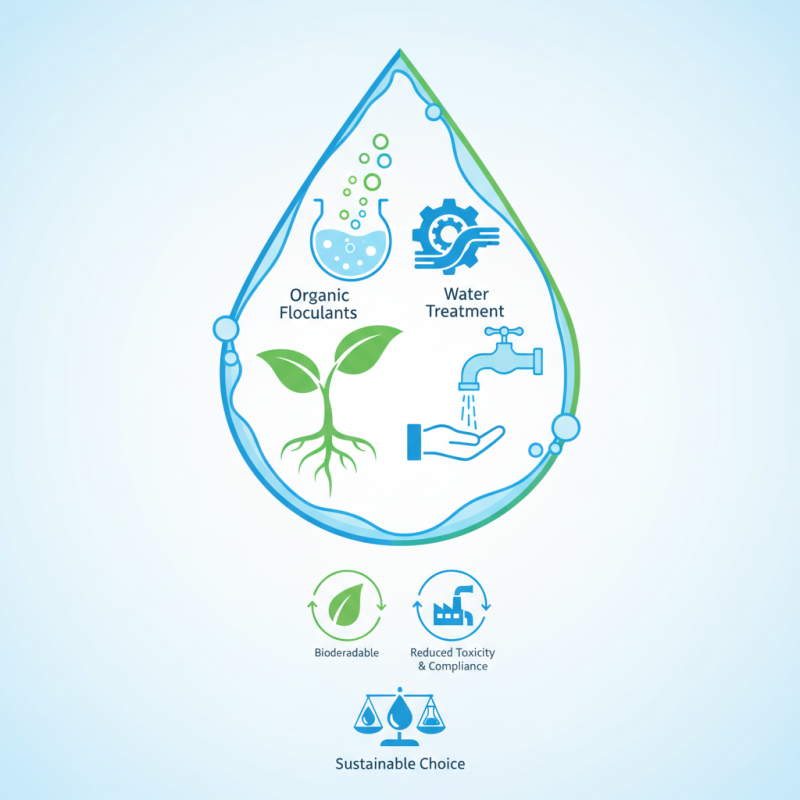
In the quest for effective water treatment solutions, the relevance of eco-friendly materials is paramount. Organic flocculants are becoming central to this conversation. These natural substances play a crucial role in improving water quality, promoting sustainability. Unlike traditional chemical flocculants, organic flocculants are biodegradable. This characteristic aligns closely with environmental preservation goals.
The application of organic flocculants showcases remarkable efficacy in various settings, including wastewater treatment and drinking water purification. Many facilities have reported decreased toxicity and better compliance with strict regulations. However, it’s important to recognize that while beneficial, organic flocculants might not be suitable for all scenarios. There can be instances where their performance is not as robust as synthetic counterparts.
Choosing the right flocculant requires careful consideration. Factors such as water composition and treatment goals must be evaluated. This nuanced decision-making underscores the reliability and expertise involved in sustainable water management practices. Ultimately, organic flocculants present a compelling option, fostering a greener approach to water treatment.
Understanding Organic Flocculants and Their Role in Water Treatment
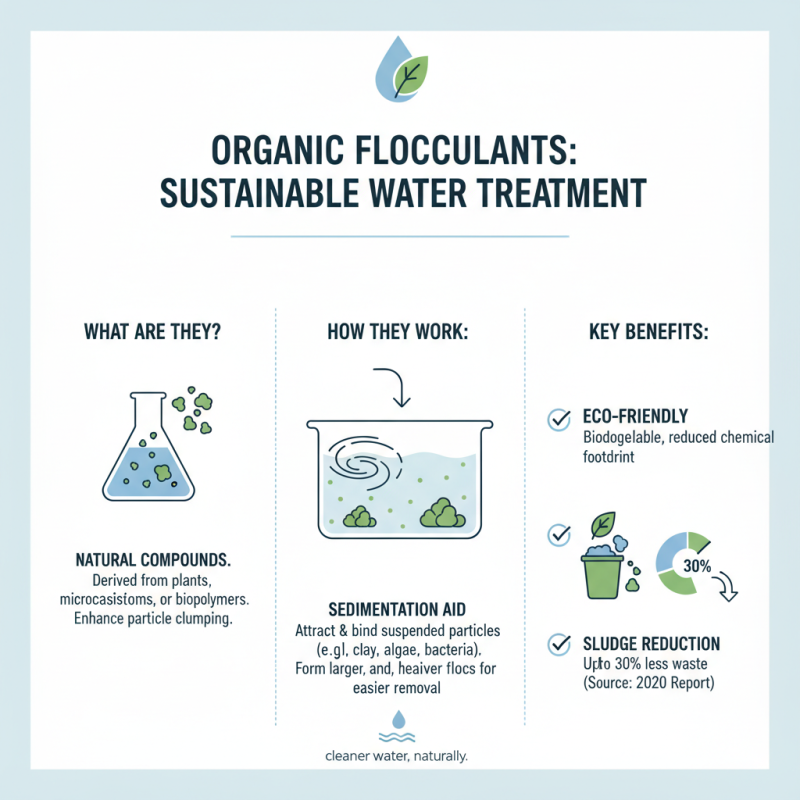
Organic flocculants have gained attention for their efficiency and sustainability in water treatment. These natural compounds improve the sedimentation process in wastewater treatment. They help clump together suspended particles, allowing for easier removal. A 2020 report indicated that organic flocculants can reduce sludge production by up to 30%, greatly benefiting treatment facilities.
The role of organic flocculants is significant in reducing chemical usage. Traditional synthetic flocculants often involve harmful residues. In comparison, organic options offer a safer alternative that aligns with eco-friendly practices. Data shows that integrating organic flocculants can enhance overall treatment efficacy by 25% while maintaining compliance with environmental regulations.
The environmental impact of choosing organic over synthetic is noteworthy. While organic flocculants might have higher upfront costs, their long-term benefits are compelling. Studies highlight their effectiveness in a range of applications, from municipal to industrial wastewater treatment. However, research continues to discover the full potential and challenges of these materials. Further studies are needed to address variances in effectiveness based on specific water qualities.
The Environmental Benefits of Using Organic Flocculants in Water Processes
Organic flocculants are gaining attention in water treatment. They offer significant environmental benefits. Traditional flocculants often contain synthetic chemicals. These can harm aquatic ecosystems. In contrast, organic options are derived from natural sources. This makes them less toxic and more biodegradable.
Using organic flocculants can improve water quality. They efficiently remove suspended solids. As a result, this reduces the need for harsh chemical treatments. Communities can benefit from cleaner water sources. Environmental health improves, particularly in vulnerable ecosystems.
Despite their advantages, challenges remain. Availability of raw materials can affect production. Some organic flocculants may also be less effective in certain conditions. Continued research is essential for optimizing their use. As the demand for sustainable solutions grow, so does the opportunity to innovate. Balancing eco-friendliness with efficiency remains a key goal.
Why Choose Organic Flocculants for Sustainable Water Treatment Solutions?
| Dimension |
Organic Flocculants |
Conventional Flocculants |
| Environmental Impact |
Lower toxicity and biodegradable |
Higher toxicity and persistence |
| Source |
Derived from natural materials |
Synthetically produced |
| Cost |
Generally lower or competitive |
May be higher due to various factors |
| Effectiveness |
Effective in a range of applications |
Effective but varies based on application |
| Usage |
Suitable for drinking water and wastewater |
Usage may require careful handling |
Comparing Organic and Traditional Flocculants: Efficacy and Safety
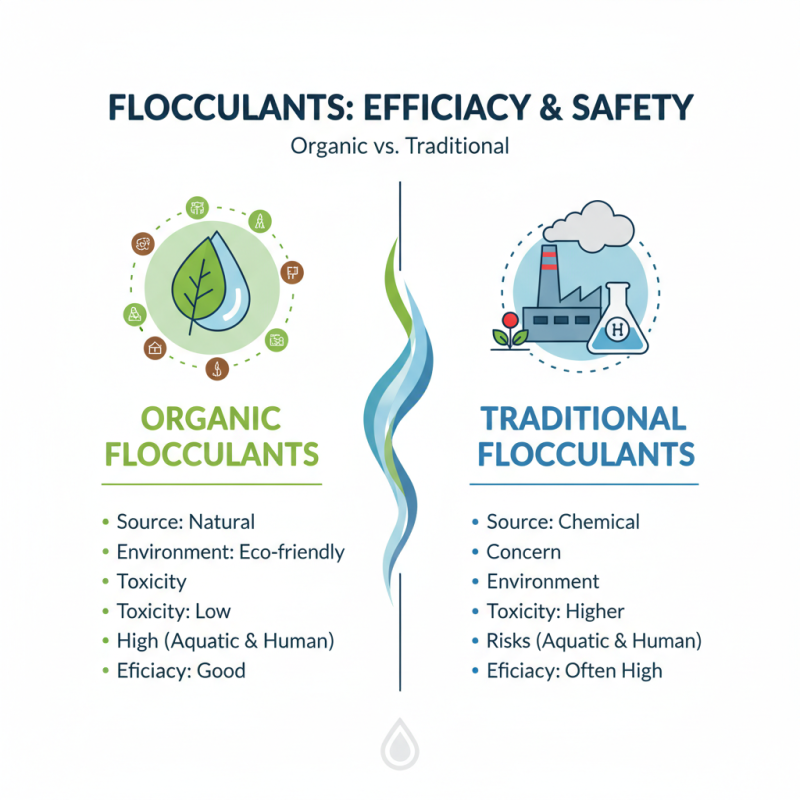
When considering water treatment solutions, the choice between organic and traditional flocculants is crucial. Organic flocculants come from natural sources, making them environmentally friendly. They often have a lower toxicity compared to conventional options. Traditional flocculants may be effective, but they can pose risks to aquatic life and human health.
Safety is a key issue in water treatment. Organic flocculants typically leave fewer harmful residues. These residues can potentially disrupt ecosystems. Understanding flocculant properties helps in making informed decisions.
**Tips:** Always check product safety data. Look for certifications that support environmental claims.
Effectiveness is also important. Organic flocculants can compete with traditional ones in performance. They work well in various water types. However, their efficacy may vary based on specific conditions. Testing on-site is essential before making a switch.
**Tips:** Conduct pilot tests to gauge performance. Gather feedback from experts in water treatment.
Switching to organic options can be beneficial. The long-term advantages may outweigh initial costs. Overall, both effectiveness and safety deserve careful consideration in your water treatment approach.
Case Studies: Successful Implementation of Organic Flocculants in Industry
Organic flocculants are gaining traction in various industries for their effectiveness in water treatment. One notable case is in the textile sector, where organic flocculants significantly reduce dye pollution. Factories using these alternatives reported a 30% drop in chemical usage. This shift not only enhances water quality but also aligns with sustainability goals.
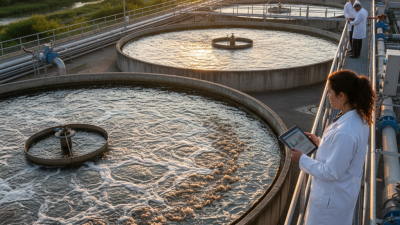
Another successful implementation occurred in wastewater treatment plants. In a pilot project, a municipality replaced synthetic flocculants with organic options. They observed improved sedimentation rates and lower toxicity in the effluent. Engaging local businesses, they shared results and encouraged others to adopt organic practices. Community feedback revealed a desire for greener solutions and support for these initiatives. Yet, challenges such as variation in organic material quality remain a concern.
Some users noted variations in performance during seasonal changes. This unpredictability can affect treatment reliability, leading to questions about consistency. Despite these hurdles, the experiences of early adopters highlight the potential of organic flocculants in promoting sustainable practices in water management. The ongoing learning process in these implementations emphasizes the need for continuous improvement.
Future Trends in Sustainable Water Treatment with Organic Solutions
Sustainable water treatment is evolving. Organic flocculants are gaining attention for their eco-friendly properties. A report from the World Health Organization highlights that over 2 billion people lack safe drinking water. Using organic alternatives can address this pressing issue.
Research indicates that organic flocculants reduce hazardous waste compared to traditional synthetic options. A study shows that organic compounds can improve sedimentation efficiency by up to 30%. This is significant for communities facing water scarcity. These natural solutions often break down faster in the environment, reducing pollution levels.
However, challenges remain. Organic flocculants may not always match the effectiveness of synthetic ones in extreme conditions. Investing in research is crucial to enhance their capabilities. The industry must focus on combining efficacy with sustainability. Trials are ongoing, and partnerships between researchers and water treatment facilities are necessary for innovation.