2026 How to Achieve Effective Phosphorus Removal in Wastewater Treatment?
Effective Phosphorus Removal in wastewater treatment is crucial for protecting aquatic ecosystems. Dr. Emily Johnson, a leading expert in water management, emphasizes, “The future of clean water depends on our ability to manage phosphorus efficiently.” This statement reflects the urgent need for innovative solutions.
Phosphorus, while essential for plant growth, can lead to severe environmental problems. Its excess in water bodies fosters harmful algal blooms. These blooms deplete oxygen levels and harm aquatic life. Achieving effective phosphorus removal is not just a technical challenge; it is an ethical responsibility. Industries face scrutiny over wastewater discharge practices.
Various methods exist for phosphorus removal, yet each has limitations. Chemical processes can be costly and create secondary waste. Biological approaches require careful management of microbial ecosystems. It is imperative to critically assess current practices. Striving for improvements means embracing new technologies and strategies. We must ask ourselves: Are we doing enough to protect our waters?
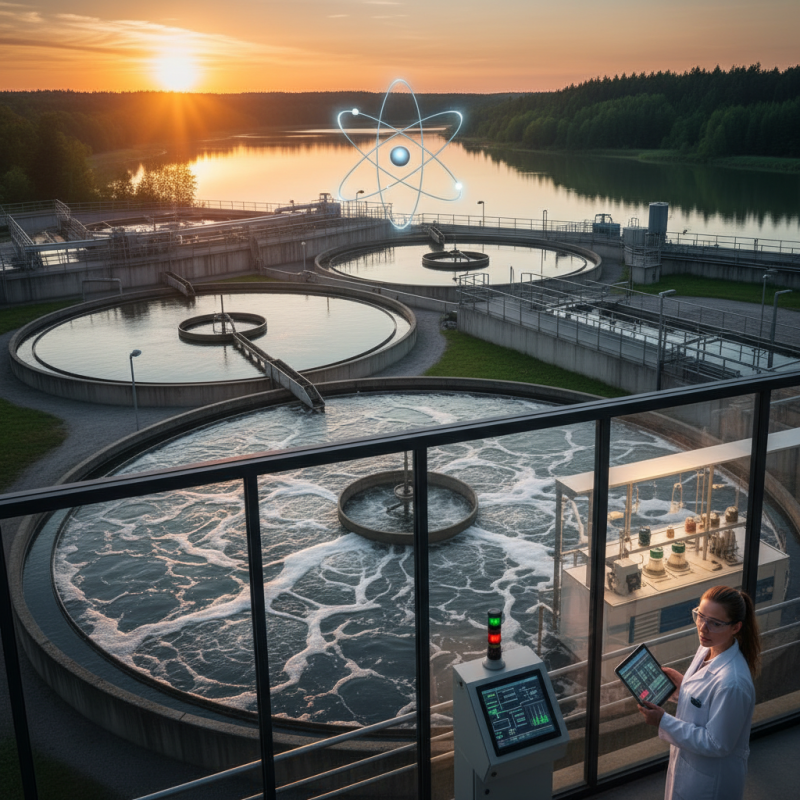
Effective Phosphorus Removal Technologies in Wastewater Treatment Plants
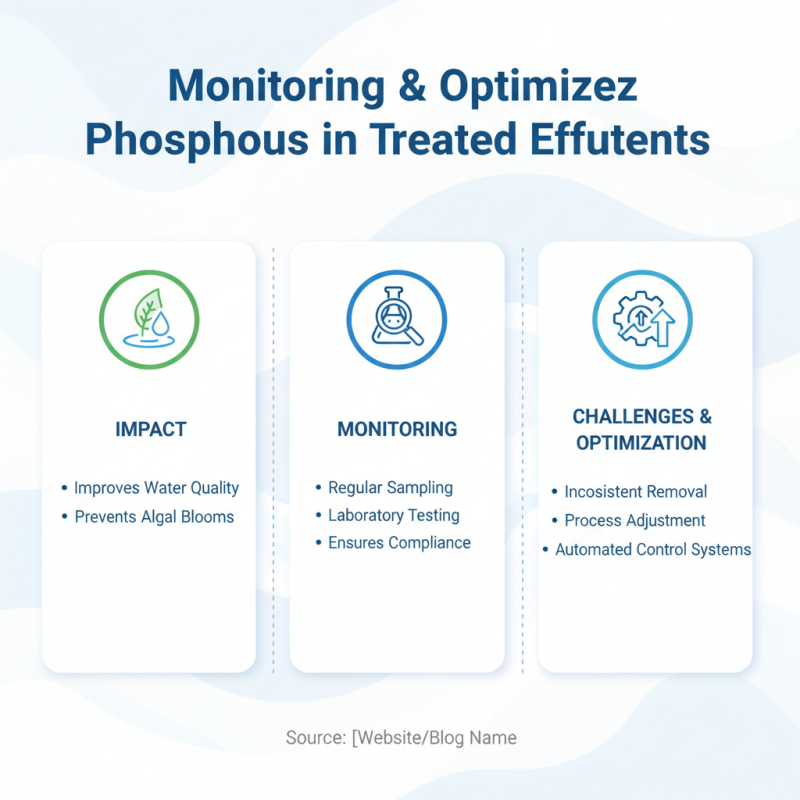
Phosphorus removal in wastewater treatment is crucial. Excess phosphorus leads to eutrophication in water bodies. Many technologies exist, each with strengths and weaknesses. Some methods excel in efficiency but are costly. Others are affordable, yet not as effective.
Biological phosphorus removal is a common technique. It utilizes specific microorganisms to absorb phosphorus during their growth process. This method is relatively low-cost. However, it requires careful control of environmental conditions, which can be a challenge. There are instances where system upsets occur, leading to suboptimal phosphorus removal.
Another approach is chemical precipitation. Here, chemicals react with phosphorus to form solid compounds that can be easily removed. It can achieve high removal rates. The downside is the disposal of chemicals and sludge generated, which raises environmental concerns. There's also the long-term sustainability of using chemicals in treatment processes. These reflections highlight the complexity of achieving effective phosphorus removal in wastewater treatment.
Understanding the Role of Biological Nutrient Removal (BNR) Processes
Biological nutrient removal (BNR) processes play a crucial role in achieving effective phosphorus removal in wastewater treatment. BNR relies on both aerobic and anaerobic microorganisms to degrade organic materials while selectively absorbing nutrients like phosphorus. This dual-process is essential as phosphorus can cause severe environmental issues, such as algal blooms in water bodies. Reports indicate that wastewater treatment facilities using BNR can achieve phosphorus removal efficiencies exceeding 90%.
However, the implementation of BNR is not without challenges. Fluctuations in wastewater composition can affect microbial activity. For instance, sudden increases in organic load can lead to reduced phosphorus uptake. A study found that around 20% of BNR systems struggle during peak flow conditions. This calls for careful monitoring and adjustments in operational parameters. Adequate training for plant operators is vital. They must understand microbial dynamics and how environmental changes impact treatment efficiency.
Moreover, maintaining an appropriate carbon-to-phosphorus ratio is essential. If the ratio is off, phosphorus removal can be compromised. Many BNR systems also face issues with sludge production. Excessive sludge can lead to higher operational costs for disposal. Regular evaluation and refinement of BNR strategies can improve performance. Continuous learning and adaptation are key to addressing these ongoing challenges in phosphorus removal.
2026 How to Achieve Effective Phosphorus Removal in Wastewater Treatment? - Understanding the Role of Biological Nutrient Removal (BNR) Processes
| Process Type |
Phosphorus Removal Efficiency (%) |
Operational Temperature (°C) |
Retention Time (Days) |
Cost per m³ ($) |
| Activated Sludge Process |
90 |
20 |
5 |
0.50 |
| Membrane Bioreactor (MBR) |
95 |
25 |
3 |
1.00 |
| Sequencing Batch Reactor (SBR) |
85 |
22 |
6 |
0.70 |
| Integrated Fixed-Film Activated Sludge (IFAS) |
92 |
18 |
4 |
0.60 |
| Constructed Wetlands |
80 |
15 |
10 |
0.40 |
Evaluating Chemical Precipitation Methods for Phosphorus Reduction
Chemical precipitation methods are crucial for effective phosphorus removal in wastewater treatment. Studies indicate that these techniques can achieve phosphorus reductions of up to 90%. The most common reagents used include aluminum sulfate and ferric chloride. However, the optimal dosage can vary greatly depending on the water composition.
One significant report highlighted that improper dosing can lead to side reactions. These reactions may produce sludge that is difficult to manage. For instance, excessive use of aluminum can result in aluminum accumulation in the sludge, which may impair further treatment processes. Research has shown that around 30% of the generated sludge can originate from these chemical reactions.
Cost is another pressing concern. While chemical precipitation can be effective, it often comes with a high operational cost. Data suggests that facilities may spend upwards of $100,000 annually on chemical reagents alone. Facilities need to carefully evaluate these choices to balance effectiveness and budget. Striking a balance is essential, yet many facilities overlook this aspect and face budget overruns.
The Impact of Advanced Filtration Techniques on Phosphorus Management
Advanced filtration techniques play a crucial role in phosphorus management during wastewater treatment. These methods improve the removal efficiency of phosphorus from water. Membrane filtration and other advanced approaches help in achieving lower phosphorus levels. However, the implementation of these technologies is not without challenges.
One challenge lies in the design of filtration systems. They must effectively balance flow rates and pressure. Often, excessive pressure can lead to membrane fouling. This reduces operational efficiency. Additionally, maintenance of these systems requires regular checks and adjustments. Neglecting this can result in decreased performance over time.
Another aspect to consider is the variability of wastewater compositions. The effectiveness of advanced filtration can vary based on the source of wastewater. Different pollutants and organic matter can impact phosphorus removal. Filtration must be adaptive. Continuous monitoring and data analysis are essential in refining these processes. Despite the advancements, there is always room for improvement in techniques and outcomes. The journey towards effective phosphorus removal continues to evolve.