What is a Coagulant Chemical and How Does it Work?
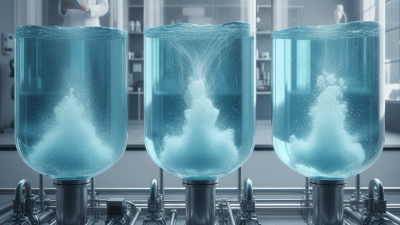
In the realm of water treatment, the significance of coagulant chemicals cannot be overstated. According to a report by the International Water Association, efficient coagulation is crucial for reducing pollutants in water. Coagulant chemicals work by neutralizing charges on suspended particles. This process allows them to clump together and form larger aggregates, which can then be removed more easily.
As urban populations grow, the need for effective water treatment solutions intensifies. The global coagulant market is projected to reach over $6 billion by 2025, reflecting rising demand. Yet, not all coagulants yield the same results. Some can introduce additional contaminants, leading to further scrutiny. The choice of coagulant chemical should consider efficacy and environmental impact.
Adopting coagulant chemicals involves some risks. Improper use can lead to unintended consequences, such as changes in water quality. It's essential to find the right balance for effective treatment. Continued research and innovation are needed to maximize the benefits of these chemicals while minimizing the drawbacks. Addressing these complexities can enhance water purification processes globally.
What is a Coagulant Chemical and Its Importance in Water Treatment?
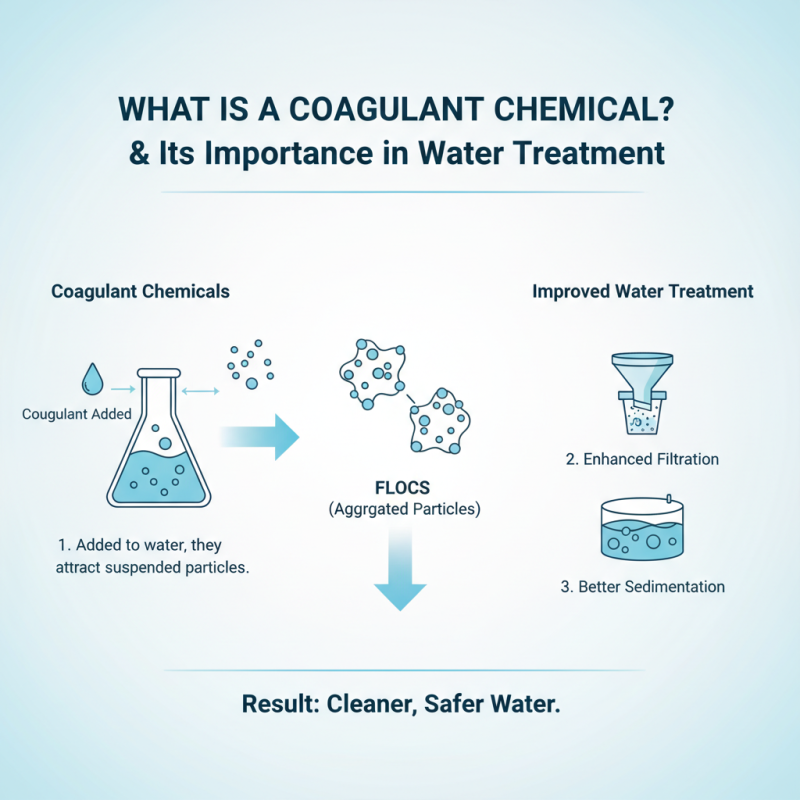
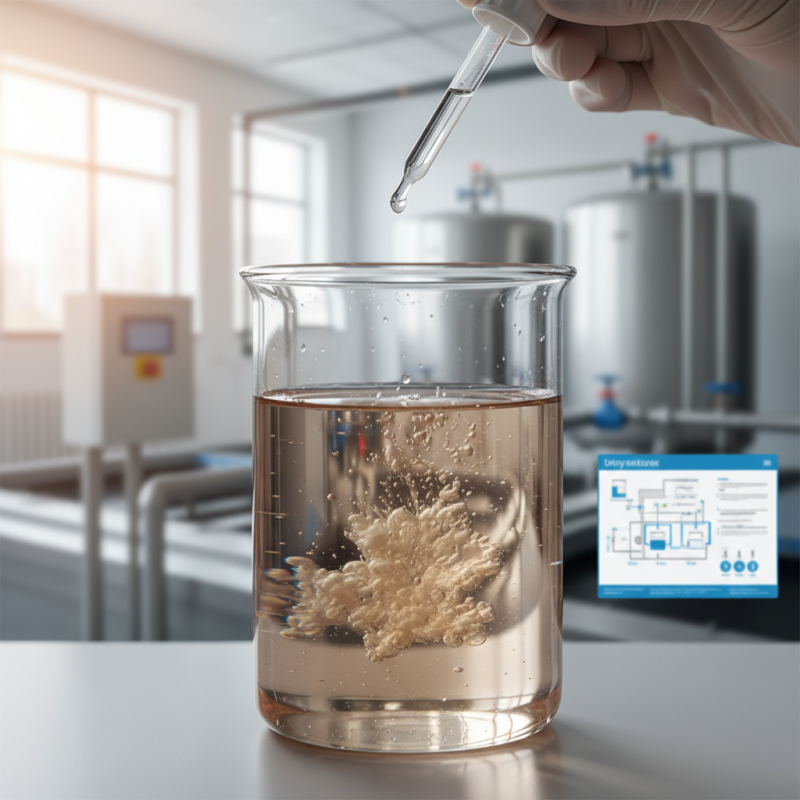
Coagulant chemicals play a crucial role in water treatment processes. They help to remove impurities and pathogens effectively. When added to water, these chemicals facilitate the aggregation of suspended particles into larger clusters, known as flocs. This interaction leads to improved filtration and sedimentation.
Data from the Water Environment Federation shows that around 35% of municipal water treatment plants utilize coagulants to enhance water quality. Common coagulants include aluminum sulfate and ferric chloride. These substances neutralize charges on particles, allowing them to clump together. In turn, this reduces turbidity. They are vital, especially in areas where water sources may be contaminated.
However, not all processes guarantee optimal results. Some studies indicate that improper dosage can lead to incomplete coagulation. This may leave harmful particles in the treated water. Additionally, excessive coagulant use can result in secondary pollution. It raises questions about the delicate balance needed in water treatment. Monitoring and adjusting coagulant levels is essential for efficient treatment.
Types of Coagulant Chemicals Used in Industrial Processes
Coagulant chemicals play a crucial role in various industrial processes. They help to bind small particles together, forming larger aggregates. These aggregates can then be easily removed from liquids, improving clarity and quality. Several types of coagulants are commonly used.
Alum is one of the most widely used coagulants. It works effectively in water treatment and paper production. Another common coagulant is ferric chloride. It is often used in wastewater treatment plants. Both have specific applications that must be carefully considered.
Organic coagulants, like polyacrylamide, are also popular. They can provide better results under certain conditions. Yet, their use may raise concerns about environmental impact. Each coagulant has its benefits and drawbacks. The choice depends on the specific needs of the process. Identifying the right coagulant is a complex task. Improper selection may lead to less efficient results.
What is a Coagulant Chemical and How Does it Work? - Types of Coagulant Chemicals Used in Industrial Processes
| Coagulant Type |
Chemical Formula |
Application |
Mechanism of Action |
| Aluminum Sulfate |
Al2(SO4)3 |
Water Treatment |
Neutralizes charge on particles, causing aggregation. |
| Ferric Chloride |
FeCl3 |
Wastewater Treatment |
Forms precipitates to remove contaminants. |
| Polymeric Coagulants |
Variable |
Industrial Processes |
Enhances flocculation through bridging mechanism. |
| Calcium Hydroxide |
Ca(OH)2 |
Drinking Water Treatment |
Increase pH to precipitate impurities. |
Mechanisms of Coagulation: How Coagulants Work at a Molecular Level
Coagulants are chemicals that facilitate the process of coagulation. They are vital in water treatment and waste management. At a molecular level, coagulants work by destabilizing particles suspended in liquids. This destabilization allows particles to clump together, forming larger aggregates. These aggregates can then be easily removed from the water.
The mechanisms behind coagulation involve several interactions. Coagulants are often positively charged, while suspended particles carry negative charges. This charge neutralization leads to aggregation. Another aspect involves van der Waals forces, which allows particles to stick together. However, the effectiveness of coagulants can vary based on water chemistry. Sometimes, conditions may not be ideal, leading to incomplete coagulation.
Understanding these molecular interactions is crucial. A more precise control of the coagulants can enhance clarity in water treatment. However, it also requires ongoing monitoring and adjustment. Mistakes in dosage can lead to poor results. Achieving the right balance is not always straightforward. It requires patience and attention to detail.
Coagulant Chemicals and Their Effectiveness
This chart presents the effectiveness of various coagulant chemicals used in water treatment processes. The efficiency is measured in percentage, indicating the ability of each coagulant to aid in the coagulation process at a molecular level.
Key Parameters for Selecting the Right Coagulant Chemical
When selecting the right coagulant chemical, several key parameters come into play.
The type of contaminants present in the water is crucial. Different coagulants work more effectively against specific particles or organic matter.
For instance, alum is commonly used for turbidity removal.
However, it may not be as effective for certain colloidal substances. Moreover, the pH level of the water impacts coagulation efficiency.
Another vital aspect is the dosage of the coagulant. A dosage too low may result in insufficient treatment, while an excessive amount can cause secondary pollution.
Data from the American Water Works Association suggests that optimal dosing can improve removal rates by 30-50%.
Additionally, the settling rate of flocs produced by the coagulant must be assessed. Fast-settling flocs can enhance overall efficiency in water treatment systems.
It is also important to take into consideration the cost-effectiveness of the coagulant chosen.
Some options may have a lower initial cost but can lead to higher operational expenses.
Sustainable practices are becoming a focus area, leading to a need for more eco-friendly alternatives.
Although many choices exist, careful evaluation and testing are necessary to find the best solution for a particular situation.
Case Studies: Coagulant Efficiency in Municipal Water Systems
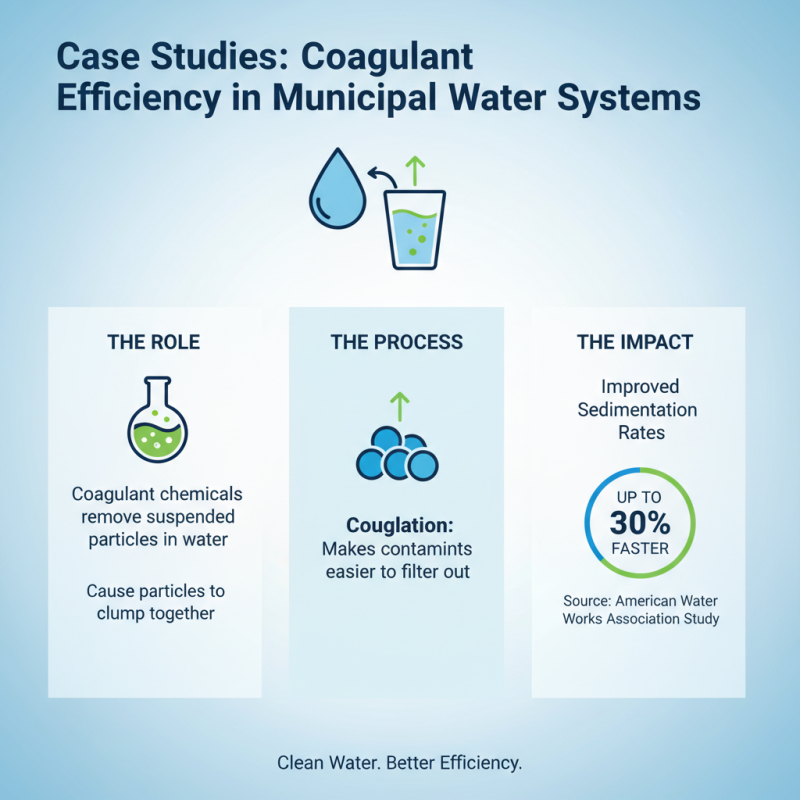
Coagulant chemicals play a crucial role in municipal water treatment systems. These substances help remove suspended particles by causing them to clump together. This process, known as coagulation, makes it easier to filter out contaminants. A study by the American Water Works Association indicates that proper coagulant use can improve sedimentation rates by up to 30%.
However, efficiency varies depending on water quality and specific conditions. For example, in areas with high turbidity, certain coagulants may not perform well. In some municipal systems, engineers reported a 15% drop in efficiency due to non-ideal pH levels. It highlights the importance of ongoing monitoring and adjustment of chemical dosages.
Tip: Regularly test your water for turbidity and pH levels. This can help in selecting the most effective coagulant for your specific conditions.
In one case study, a city optimized its coagulant use and observed a significant decrease in chemical costs while improving water quality. But not all systems achieve this balance. It's essential to conduct trials and adjust strategies periodically to maintain water safety and cost-effectiveness.
Tip: Keep a close eye on chemical usage trends to identify potential weaknesses in your system.