How to Choose the Right Dewatering Machine for Your Needs?
Choosing the right dewatering machine for your needs may seem daunting. As industry expert Dr. Emily Parker states, "Selecting the right equipment is crucial for efficiency." Her insights underline the importance of understanding your specific requirements.
Dewatering machines come in various types and capacities. Each serves a unique purpose in different industries. For instance, a construction site may require a different solution than a wastewater treatment plant. Consider the material you need to dewater and the desired moisture content.
Many users overlook these details. They often choose a machine based on cost alone. This can lead to inefficiencies or mechanical issues. It's essential to evaluate your needs carefully. A well-chosen dewatering machine can enhance productivity and save costs in the long run.
Understanding Dewatering: The Importance of Selecting the Right Machine
Choosing the right dewatering machine is crucial for various industries. Dewatering helps remove excess moisture from materials, protecting them from spoilage and improving storage conditions. By selecting the appropriate machine, you can enhance efficiency and reduce operational costs.
Many factors come into play when choosing a dewatering machine. Consider the type of materials you will be processing. Different machines work better with specific materials. For example, sludge dewatering requires a different approach than dewatering granular products. Understanding your material type is essential.
Another consideration is the machine's capacity and operational scale. A small facility might not need a high-capacity unit. Meanwhile, larger operations require more robust machines to handle higher volumes. Make sure your choice aligns with your production needs. Reflecting on these variables can lead to better decision-making and improved operations.
Types of Dewatering Machines: Overview of Available Options
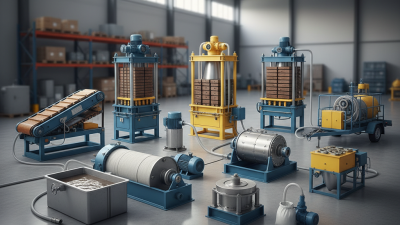
When selecting a dewatering machine, it is crucial to understand the different types available.
Centrifuges are commonly used for separating solids from liquids. They are efficient and can handle various materials.
The centrifugal force accelerates the separation process, making them ideal for sludge dewatering.
Another popular option is belt presses. These machines utilize two belts to squeeze water from the material.
They are suitable for municipal wastewater and industrial processes. While effective, they require regular maintenance and can be less efficient than centrifuges in some applications.
Screw presses are gaining traction due to their simple design and ease of operation.
They can process fibrous materials, making them a versatile choice. However, they may not achieve the same dryness levels as other methods.
Choosing the right type involves weighing your specific needs against the strengths and weaknesses of each machine.
Consider factors such as material characteristics, desired moisture content, and operational costs.
Assessing Your Needs: Key Factors to Consider Before Choosing
Choosing the right dewatering machine is crucial for effective water management. One of the first steps is understanding your specific requirements. Consider material types. Different machines excel in handling sludges, sediments, or solid waste. Each of these materials behaves uniquely during the dewatering process.
Assess the volume of material you need to process. High capacity machines are essential for large operations, while compact units work for smaller tasks. Don't overlook the importance of space. Ensure your site can accommodate the equipment. Sometimes, operations have to compromise on space, which may affect efficiency.
Think about the desired moisture content in the output. Some applications require drier materials to reduce weight for disposal. Often, achieving this can be tricky. You may need to experiment with various systems. Be aware of maintenance needs. Regular upkeep ensures longevity and reliability. It’s easy to overlook maintenance until it becomes a cost issue. Balancing these factors can lead to better decision-making when selecting the right dewatering solution.
Comparative Analysis of Dewatering Machines Based on Key Factors
Evaluating Performance: Key Metrics and Specifications to Review
When choosing a dewatering machine, performance evaluation is crucial. Key metrics include moisture content, throughput capacity, and energy consumption. Understanding these figures can significantly impact operational efficiency. Reports show that effective dewatering reduces moisture content by up to 90%. This reduction improves material handling and disposal processes, optimizing costs.
Throughput capacity defines how much material the machine can process over a specific time. Some dewatering machines achieve rates exceeding 100 tons per hour. This statistic showcases their effectiveness in high-demand environments like mining or wastewater treatment. Yet, it’s essential to balance capacity with energy efficiency. A machine with a high throughput might consume excessive energy, negating overall savings.
Energy consumption metrics are also vital. Selecting a machine that balances performance and energy use can save significant operational costs. Industry insights indicate that machines with lower energy ratings can reduce costs by 20-30%. Evaluating these specifications ensures you choose a dewatering solution that aligns with both performance and sustainability goals. However, one must critically assess the trade-offs and potential pitfalls in specific applications.
Maintenance and Support: Ensuring Longevity and Efficiency of Your Machine
Dewatering machines require regular maintenance to ensure optimal performance. Routine inspections can identify minor issues before they escalate. According to industry reports, neglecting maintenance can lead to efficiency drops of up to 30%. Keeping filters and pumps clean is vital. This simple task can enhance machine lifespan significantly.
Support from professionals can provide the necessary insights for troubleshooting. Technical support can guide users through complex repairs or adjustments. Training sessions for operators can prevent misuse and extend machine life. Research shows that well-trained operators increase machine efficiency by 25%.
Monitoring performance metrics will reveal maintenance needs. Regularly checking flow rates and sludge quality can optimize operations. This proactive approach can minimize unexpected downtime. Investing in a maintenance plan may seem costly upfront, but it ensures reliability and effectiveness in the long run.