How to Choose the Right Precipitation Tank for Your Needs?
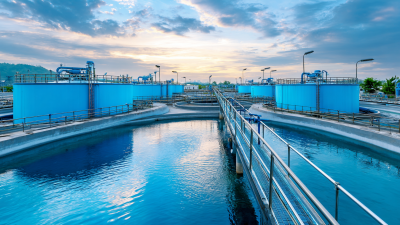
Selecting the right Precipitation Tank is critical for wastewater treatment processes. According to a report from the Water Environment Federation, effective design is essential in ensuring optimal performance. The right tank can enhance separation efficiency and reduce operational costs. In 2022, it was indicated that poorly chosen tanks could increase maintenance expenses by up to 30%.
When choosing a Precipitation Tank, consider factors like size, material, and the specific application. A recent industry analysis highlighted that nearly 40% of facilities fail to evaluate their needs properly, leading to inefficiencies. Many decision-makers overlook the importance of customized solutions, settling for generic options that may not serve their unique requirements.
It is vital to acknowledge common mistakes in tank selection. Relying solely on cost can lead to long-term issues. Investing time in understanding system requirements and tank capabilities can yield better outcomes. Engaging with experienced professionals can contribute to a more informed choice, ensuring reliability and functionality. The right Precipitation Tank can transform your wastewater management strategy, but the journey begins with careful consideration.
Understanding the Purpose and Function of Precipitation Tanks
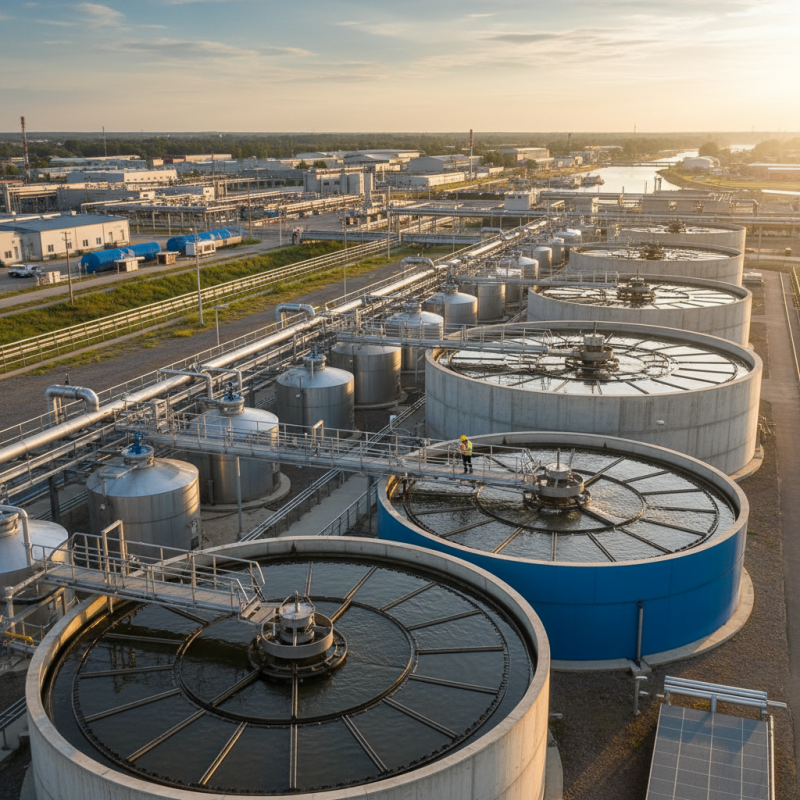
When selecting a precipitation tank, understanding its purpose is crucial. Precipitation tanks are designed to separate solids from liquids. This process is essential in various industries, including wastewater treatment and mining. According to a recent industry report, effective sedimentation can improve efficiency by 20% or more.
Correct tank selection can greatly enhance operation. Consider factors like tank size and shape, as well as the type of material to be treated. The optimal tank design can reduce sludge volume while increasing separation efficiency.
**Tips:** Choose a tank that fits your specific application. Regular maintenance is essential for optimal performance. Monitor your tank regularly for sediment buildup to avoid operational issues. Reflecting on tank efficiency can lead to significant cost savings and improved processes in the long run. Opting for the right model can provide long-term benefits, but the initial learning curve can be steep.
Identifying Your Specific Water Treatment Requirements
When selecting a precipitation tank, start by identifying your specific water treatment requirements. A clear understanding of your needs is crucial. Assess the types of contaminants in your water. Knowing the concentration and nature of these pollutants will inform your choice. For instance, if you’re dealing with heavy metals, filtration and precipitation methods may vary significantly.
Consider the volume of water needing treatment. Larger tanks handle greater capacities but can be costly and require more space. Think about installation and maintenance as well. A compact tank might fit better in your facility but could limit efficiency.
Evaluate the expected flow rate of incoming water. A mismatch can lead to poor performance. Reflect on your current setup and anticipate future needs too. How many changes might occur in the next few years? A scalable solution could be beneficial. Ultimately, an informed choice today can save complications later.
Precipitation Tank Capacity Requirements
This bar chart illustrates the required capacities of precipitation tanks based on different water treatment applications. The values represent the estimated volume in liters needed for effective water treatment.
Assessing Size and Capacity Needs for Your Application
Choosing the right size and capacity for a precipitation tank is critical. The application determines the necessary dimensions. For instance, industrial processes may require larger tanks, while residential needs may be smaller. Assess how much water you expect to treat. This is essential for effective operation.
Consider the flow rate of your incoming water. If you anticipate high volumes, select a tank that can handle that capacity. It's not just about size; think about retention time as well. Calculate how long water needs to stay in the tank for effective treatment. These factors affect performance.
Evaluate potential future needs too. Expansion in operations might require a larger tank down the line. Think about what happens when capacity is exceeded. An overflow could lead to system failures. Regular assessments of your needs can help in making informed decisions. A tank that fits today’s needs might not suffice tomorrow.
How to Choose the Right Precipitation Tank for Your Needs? - Assessing Size and Capacity Needs for Your Application
| Tank Type |
Size (liters) |
Material |
Applications |
Estimated Cost ($) |
| Sedimentation Tank |
500 |
Stainless Steel |
Industrial Wastewater Treatment |
1,200 |
| Clarifier |
1,000 |
Fiberglass |
Municipal Water Treatment |
2,500 |
| Interceptor Tank |
750 |
Plastic |
Stormwater Management |
800 |
| Retention Pond Tank |
2000 |
Concrete |
Agricultural Runoff |
5,000 |
| Bioswale |
3000 |
Soil and Vegetation |
Natural Filtration |
N/A |
Budget Considerations and Maintenance for Precipitation Tanks
When considering a precipitation tank, budget plays a crucial role. Prices can vary significantly based on size and material. A larger tank typically costs more. However, opting for the cheapest option may lead to higher maintenance costs later. It’s essential to balance initial expenses with long-term savings. Investing in a durable tank can reduce future repairs.
Maintenance is another vital aspect. Regular checks can prevent costly breakdowns. Cleaning the tank every few months is necessary. Neglecting this can lead to sediment build-up, which affects the tank's efficiency. Remember, an overlooked tank might require more resources to maintain over time. Keeping a maintenance log can help track any issues that arise.
Ultimately, understanding your needs helps guide your budget and maintenance plan. It's tempting to choose an option quickly. Still, thoughtful consideration can improve your system’s longevity and effectiveness. Reflect on your choices regularly to ensure they align with your goals.