2026 How to Choose the Best Auto Dosing System for Your Needs
In an era where precision and efficiency are paramount, selecting the right Auto Dosing System becomes crucial. Industry expert Dr. Emily Carter emphasizes, “The right dosage can transform operations and save costs.” Understanding your specific requirements is essential for making an informed choice.
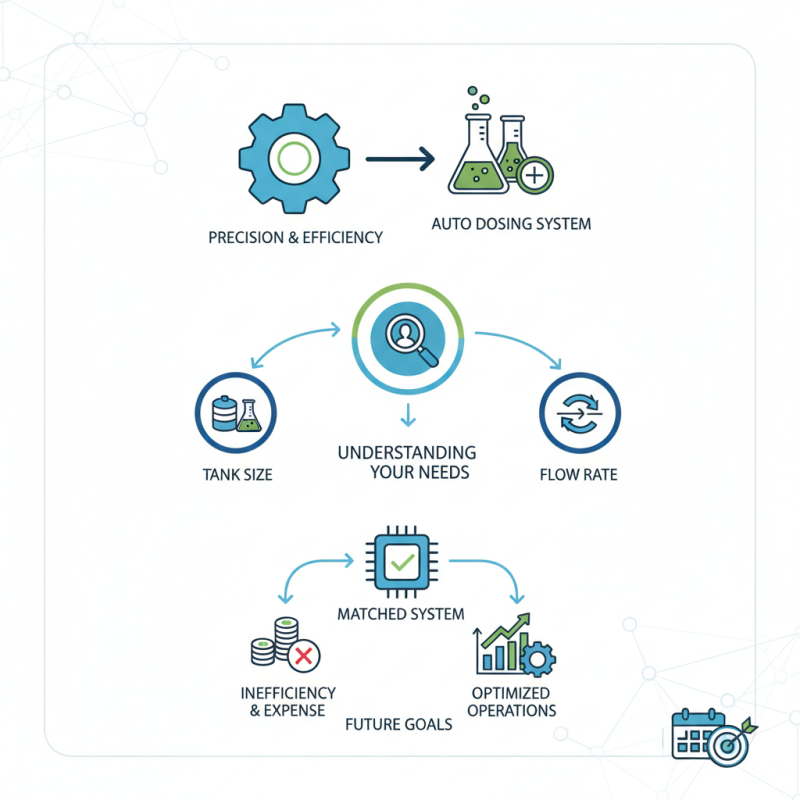
An Auto Dosing System significantly increases accuracy in chemical applications. This technology reduces human error and ensures consistent results. Yet, many users overlook their unique needs. Factors like tank size, chemical type, and desired flow rate play a vital role. One size does not fit all.
While many systems claim superiority, it’s essential to evaluate their compatibility with your operations. A poorly matched system can lead to inefficiencies and increased expenses. Taking the time to reflect on your requirements can prevent costly mistakes. Making the right choice in an Auto Dosing System is not just about technology; it’s about understanding your needs and future goals.
Understanding Auto Dosing Systems and Their Benefits
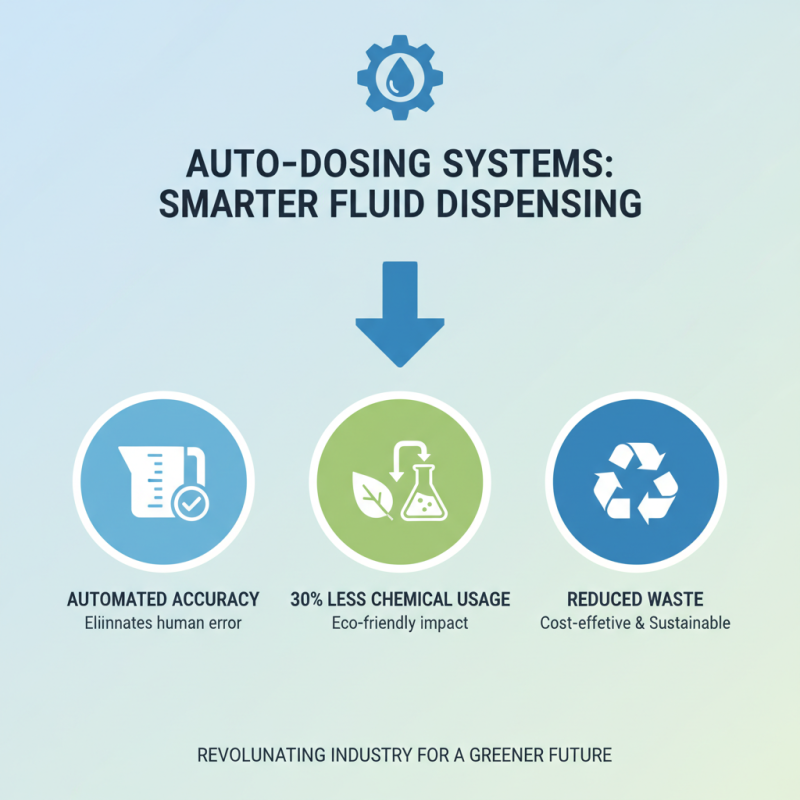
Auto dosing systems revolutionize how industries manage fluid dispensing. These systems automate the process, ensuring accuracy and reducing waste. According to a recent industry report, companies that adopt auto dosing techniques can see a 30% reduction in chemical usage. This is significant for environmental sustainability, as it minimizes harmful impacts.
When selecting an auto dosing system, it's essential to understand its features. Look for precision, ease of use, and compatibility with existing infrastructure. Some systems offer real-time monitoring, which enhances control. However, not all systems meet specific needs. It may require trial and error to find the perfect match for unique operations.
Tip: Consider user feedback and reviews before making a decision. Understanding the experiences of others can guide you better. Also, evaluate how the system integrates with your current processes. Minor adjustments may lead to substantial benefits. Always remember that the right choice can streamline operations but can also lead to challenges that need addressing.
Key Factors to Consider When Choosing an Auto Dosing System
When choosing an auto dosing system, several key factors come into play. Start by considering the specific needs of your operation. Identify the types of chemicals or solutions you need to dose. This will narrow down your options significantly. You cannot assume that all systems handle every substance equally. Some systems excel at precise dosing, while others are better for bulk applications.
Next, think about the size and scale of your operations. Small facilities may not need advanced features or large capacities. Conversely, larger operations could benefit from more sophisticated units. Efficiency is crucial, but so is simplicity. A complex system may lead to mistakes and maintenance issues. Regular training might be necessary, which adds to costs.
Don't forget about the installation and maintenance aspects. Many users overlook the importance of ease of setup. Complicated setups can lead to frustration and delays. Moreover, ensure you have access to support and technical assistance when needed. Reflect on your current workflow and how the new system will integrate. This transition can reveal gaps in existing processes, giving rise to potential improvements that are often neglected.
Types of Auto Dosing Systems Available on the Market
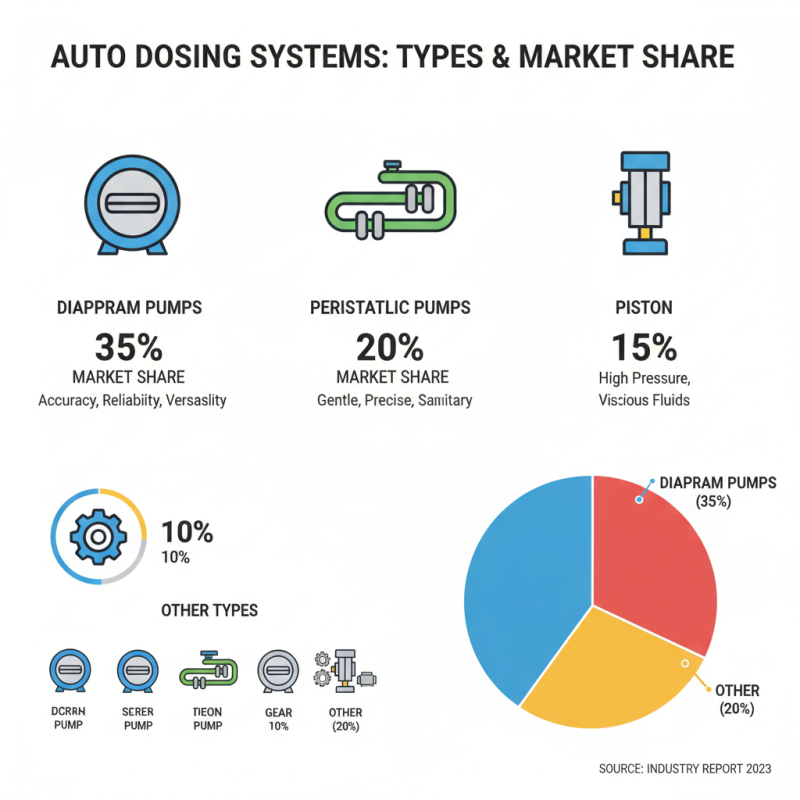
When selecting an auto dosing system, understanding the types available is crucial. The market offers various systems designed for different applications. For example, diaphragm pumps are widely used for their accuracy and reliability in chemical dosing. According to a recent industry report, diaphragm pumps hold around 35% of the market share due to their versatility.
Another popular option is peristaltic pumps. They are ideal for applications requiring precise control. Industry data shows that these systems are favored in laboratories and pharmaceutical settings. They can manage flow rates with an error margin of less than 1%. However, their maintenance requirements can be more demanding than diaphragm pumps.
Yet, challenges remain. Some systems may require frequent calibration, which can lead to downtime. Users should consider the operational costs associated with maintenance. Moreover, users often overlook the importance of installation space. Not all auto dosing systems are compact. It's essential to evaluate the specific needs of your operation. Understanding the pros and cons of each type helps make a more informed choice.
Evaluating the Cost-Effectiveness of Auto Dosing Solutions
When considering auto dosing systems, cost-effectiveness is a crucial factor. These systems can vary widely in price, and it’s important to analyze your specific requirements. Think about the volume of chemicals you need to dose regularly. For smaller operations, a basic system may suffice. But larger facilities might require more advanced solutions.
Installation and maintenance costs can also add up. Some systems may require special training or technical support. It’s wise to factor in these ongoing expenses when evaluating options. Sometimes, systems appear affordable upfront but become pricey with additional costs. Reflecting on your long-term needs is essential. Renting a system or starting with a smaller unit can be an option to explore initially.
Efficiency is not just about saving money. It also involves evaluating how accurately the system doses. An inaccurate dosing system can lead to wastage, affecting overall productivity. Keep an eye on performance metrics as well. It’s all about finding the best balance between initial investment and operational costs. Ensure the system you choose meets industry standards while fitting your budget constraints.
Choosing the Right Auto Dosing System for Specific Applications
Choosing the right auto dosing system is critical for different applications. In the food and beverage industry, precise chemical dosing is essential. Studies show that incorrect dosing can lead to safety issues or product inconsistencies. For example, excess cleaning agents can leave residues that affect taste.
In water treatment, the auto dosing system needs precision to ensure water quality. According to a 2022 report, 35% of facilities experienced compliance failures due to improper dosing practices. This indicates that choosing the right system is not just about efficiency; it’s also about meeting regulations.
Many systems come with various features, but not all are necessary for every application. Users often overlook maintenance needs. Some systems require frequent recalibrations, which can disrupt operations. Each application has unique requirements, so assessing these needs critically can save costs and improve the final product.
2026 How to Choose the Best Auto Dosing System for Your Needs - Choosing the Right Auto Dosing System for Specific Applications
| Application |
Best Auto Dosing System Type |
Flow Rate (L/h) |
Chemical Compatibility |
Control Method |
| Swimming Pool Treatment |
Electromagnetic Pump |
10-50 |
Chlorine, pH Adjusters |
Automated Sensors |
| Industrial Cleaning |
Peristaltic Pump |
20-100 |
Acids, Solvents |
Manual/Automatic |
| Water Treatment |
Diaphragm Pump |
5-200 |
Alkaline Chemicals |
SCADA Systems |
| Agricultural Fertilization |
Solenoid Valve System |
15-75 |
Fertilizers, Nutrients |
Flow Meters |
| Laboratory Analytics |
Precision Push Pump |
1-10 |
Reagents, Buffers |
Timed Schedules |