Wet Strength Resin helps paper retain strength after contact with water, making it important in tissue, towel, label, and packaging grades. Yet a product name alone cannot predict mill performance. Furnish composition, dosage, stock conditions, and machine speed all matter. Small changes can alter results. A resin that performs well in one mill may disappoint in another.
This guide introduces 10 suppliers for global buyers and highlights factors worth checking before requesting a quotation. Compare technical data, recommended use levels, sample support, production capacity, and consistency between batches. Ask how suppliers assess wet tensile strength under conditions similar to your process. Check packaging and delivery options too; a suitable resin is less useful if replenishment is unreliable. Documentation matters. So does responsive technical service.
The shortlist is a starting point, not a universal ranking. Supplier claims deserve verification through trials and clear acceptance criteria. Request current product information, discuss wastewater and process compatibility, and record results across more than one production run. That takes time. It can also reveal gaps a brochure misses. Buyer priorities differ, and no list can replace a mill-specific evaluation. This comparison aims to make that evaluation more focused and practical.
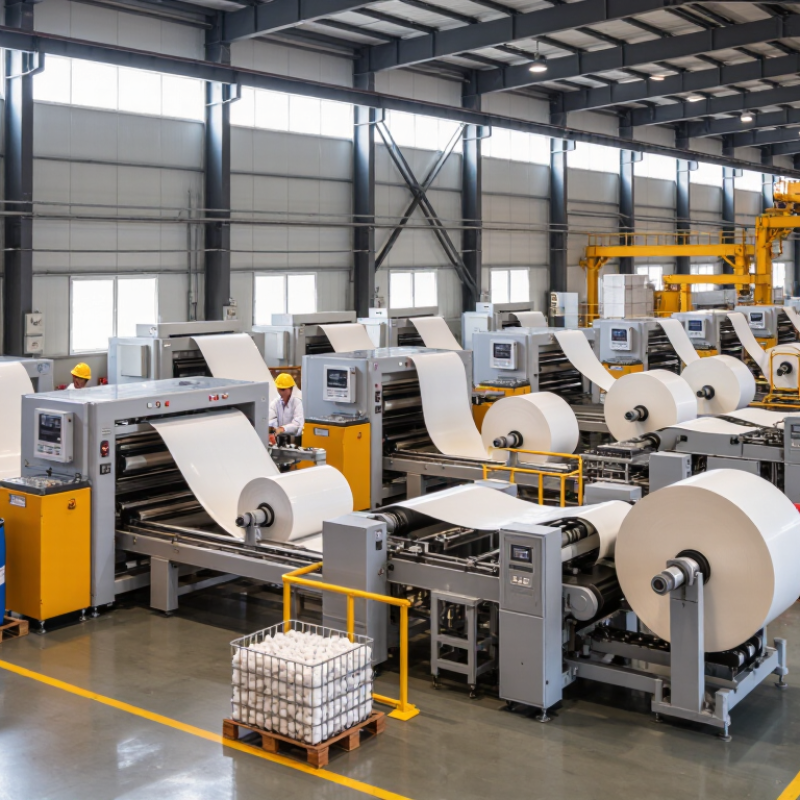
Wet strength resins help paper retain strength after water reaches its fibers. Common types include polyamidoamine-epichlorohydrin (PAE) resins, often used for durable wet strength, and glyoxalated polyacrylamide (GPAM), commonly selected when temporary strength is sufficient. Their performance depends on dosage, curing conditions, furnish chemistry, and machine settings. More resin does not always mean better paper; excess can affect drainage or interfere with recycling.
These materials support tissue, paper towels, beverage packaging, labels, and filter papers. A towel must stay intact while wet, while a label may need to survive condensation without losing adhesion. Filter grades also need strength without blocking flow. It matters.
Buyers should compare wet tensile strength, dry strength, absorbency, and product requirements under realistic conditions. Results from a small laboratory sheet may not predict performance on a fast production line.
Tips: Ask suppliers for application-specific data and trial guidance. Test resin across realistic water exposure and storage conditions. Record dosage and curing settings. Small process changes can shift results, so verify performance on the actual paper machine.
Global buyers should compare wet strength resin suppliers on performance, process fit, documentation, and supply reliability—not price alone. Ask for technical data showing active solids, recommended dosage, pH range, storage life, and compatibility with your furnish. Request wet tensile results and the test method used; TAPPI T 456 is a recognized method for measuring paper wet tensile strength. A supplier’s figures are useful only when test conditions resemble your mill’s conditions.
Feedstock matters. CEPI’s Key Statistics 2023 reports a 79.3% paper recycling rate in Europe, illustrating the importance of recovered fiber in that market. Recycled furnish can vary, so ask suppliers how resin performance responds to changes in fiber quality, conductivity, and machine conditions. Check quality-control records, safety documentation, technical support, and contingency plans for delayed shipments. No supplier is perfect; a polished datasheet may still miss mill-specific variation.
Tips: Run a controlled mill trial before approving a supplier. Record dosage, wet tensile results, drainage, and any deposits across several production shifts. Compare like with like. Keep a retain sample, and agree on acceptance limits before the trial starts.
| No. | Evaluation criterion | What to assess | Evidence to request from a supplier |
|---|---|---|---|
| 1 | Application and grade fit | Confirm that the resin is designed for the intended paper or paperboard grade, end use, furnish, and wet-strength requirement. Permanent and temporary wet-strength products are not interchangeable in every application. | Technical data sheet, recommended applications, and written confirmation that the proposed grade is suitable for the buyer’s furnish and process. |
| 2 | Resin chemistry and performance | Ask which chemistry is offered and how it is intended to perform. Polyamidoamine-epichlorohydrin (PAE) resins are widely used for permanent wet strength; glyoxalated polyacrylamide products are commonly used where temporary wet strength is desired. | Product chemistry description, performance data for relevant paper grades, and information on wet-strength retention or repulpability where applicable. |
| 3 | Process compatibility | Evaluate compatibility with the mill’s pH, furnish, retention system, machine conditions, and other additives. Resin performance depends on the papermaking system and application conditions. | Recommended addition point, operating guidance, compatibility information, and technical support for mill trials. |
| 4 | Technical documentation | Check that product specifications and handling information are current, complete, and consistent across commercial and technical documents. | Current technical data sheet, safety data sheet, product specification, storage guidance, and batch certificate or certificate of analysis. |
| 5 | Regulatory and end-use support | Requirements depend on the destination market and the intended use, particularly for paper that may contact food. Do not assume that a general compliance statement covers every jurisdiction or application. | Written, product-specific regulatory statements for the relevant market and end use, with applicable restrictions and supporting documentation clearly identified. |
| 6 | Quality consistency | Assess whether the supplier controls product specifications and can investigate out-of-specification deliveries. Consistent product quality helps reduce variation during production. | Defined release specifications, batch traceability, quality-management information, and a documented process for handling complaints or nonconforming product. |
| 7 | Supply reliability and capacity | Consider production capacity, replenishment arrangements, lead-time visibility, and contingency planning for interruptions. Confirm that the supply plan matches the buyer’s consumption and inventory needs. | Written lead-time estimates, available supply options, continuity plans, and a clear process for communicating allocation or delivery changes. |
| 8 | Logistics and storage suitability | Check packaging, transport conditions, storage requirements, and stated shelf life. Requirements can vary by product and should be taken from the supplier’s documentation. | Packaging options, storage and handling instructions, shelf-life information, shipping documentation, and support for the buyer’s delivery locations. |
| 9 | Technical service and trial support | Evaluate access to specialists who can help plan a controlled mill trial, review results, and troubleshoot application issues without promising performance independent of process conditions. | Named technical contact, trial-planning support, recommended evaluation measures, and a documented method for reviewing trial outcomes. |
| 10 | Total cost and commercial transparency | Compare total delivered cost and value in the buyer’s process, not just the quoted price per unit. Account for dosage guidance, freight, packaging, inventory requirements, and any relevant handling costs. | Itemized quotation, delivery terms, pricing validity, minimum order quantity, payment terms, and clear assumptions behind any cost-in-use estimate. |
Buyer note: This table is a supplier-evaluation framework, not a verified ranking of specific companies. Confirm product performance through documentation and controlled trials under the buyer’s actual operating conditions.
Profiles of leading wet strength resin suppliers differ less by slogans than by the problems they solve. One focuses on high-volume paper mills and steady delivery. Another serves tissue producers needing strength at low add-on levels. A third specializes in packaging grades exposed to moisture. A fourth offers formulations for recycled fiber, where furnish variation complicates performance. A fifth supports specialty papers with tighter process controls. A sixth emphasizes regional warehousing and shorter lead times. A seventh provides application troubleshooting at the machine. An eighth develops products for mills seeking lower-formaldehyde options. A ninth is strongest in custom trials and formulation adjustments. The tenth may suit smaller buyers that need flexible order sizes. Details matter.
Compare more than quoted price. Ask suppliers for dosage guidance, storage limits, shelf-life data, and test methods behind reported strength values. Request a trial plan that tracks wet tensile strength, drainage, and machine runnability using your actual furnish. A supplier with a nearby technical team can help when results shift between laboratory sheets and production rolls. Check how they document batch consistency and respond to quality concerns. Practical evidence beats polished claims. Still, a neat data sheet cannot predict every mill condition; that uncertainty deserves a frank conversation before a purchase.
Choosing a wet strength resin supplier is not just a price exercise. Compare technical support, product range, and the supplier’s ability to serve each mill reliably. Ask for current data on solids, recommended dosage, storage life, and application conditions. Then test the resin with your own furnish. Recycled fiber, water chemistry, and machine speed can affect results. A lab sheet helps, but it is not the whole story.
Product range matters when mills make several grades or adjust processes seasonally. Check whether a supplier can recommend suitable options for different paper applications, and whether its technical team can help troubleshoot performance changes. Market reach also affects reliability: regional stock, clear lead times, and responsive service can reduce disruption. That matters. Still, broad coverage does not guarantee strong local support. Ask for practical details, such as how quickly samples can arrive and who handles mill trials. A tidy comparison table may miss these differences.
Tips: Request a trial plan with measurable targets, such as wet tensile strength and dosage. Keep the test conditions consistent. No scorecard is perfect; review the results with both purchasing and production teams.
Choosing a wet strength resin starts with the paper grade and its end use. A towel exposed to repeated splashes may need a different balance than packaging that gets briefly damp. Confirm the target wet tensile strength, dry strength, absorbency, and appearance with your production team. Resin performance can shift with furnish, pH, dosage, and curing conditions. Small tests matter. Ask suppliers for recommended operating ranges, technical data, and a safety data sheet. Then trial the resin on your own stock, using realistic machine conditions where possible.
When comparing suppliers, look beyond price per kilogram. Check batch-to-batch consistency, lead times, packaging options, and how technical questions are handled. Request a recent certificate of analysis and clarify which product specifications are guaranteed. For cross-border orders, confirm transport conditions, shelf life, and documentation before booking. A sample that performs well in a beaker may behave differently on a fast paper machine; that gap is easy to underestimate. Keep trial records, including dosage, pH, temperature, drainage, and strength results. If a supplier cannot explain a result clearly, pause before scaling up. One awkward trial is still useful evidence.
How to use this chart: pH compatibility is one practical screening factor when comparing resin options. PAE resins are commonly used across a broader pH range, while melamine-formaldehyde and urea-formaldehyde systems are generally associated with more acidic conditions. These ranges are indicative, not product specifications; actual performance depends on formulation and process conditions. Confirm compatibility and operating limits with the supplier’s technical data sheet.
Paul Zhou:8613356391894
Eric Wong:8615963245439
Emily Wu:8617866856171