10 Best Natural Flocculants for Water Treatment Solutions?
Water treatment is vital for public health and the environment. The increasing pollution levels call for efficient solutions. Natural flocculants are gaining attention in this field. These substances help to remove suspended solids from water. Using natural alternatives often reduces chemical usage. This shift can lower costs and environmental impact.
Recent studies indicate that natural flocculants can perform comparably to synthetic options. Reports show a rising interest in green technologies, with natural flocculants being at the forefront. For example, it is estimated that the global market for biodegradable flocculants will reach $10 billion by 2025. This growth indicates a positive trend toward sustainability in water treatment.
However, challenges remain. Not all natural flocculants are effective in all conditions. Some may require specific environmental factors to perform well. Further research is necessary to optimize their use. Industry professionals must weigh the benefits against these limitations. Achieving the right balance will be crucial for future advancements in water treatment.
10 Best Natural Flocculants for Effective Water Treatment Solutions
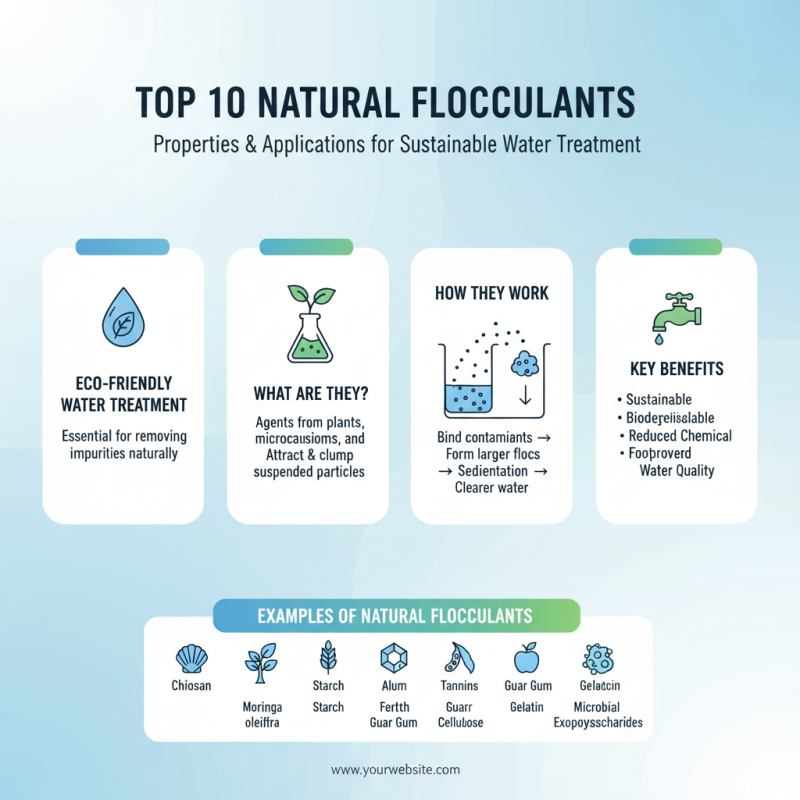
Natural flocculants play a vital role in water treatment solutions. These substances help gather tiny particles in water to form larger clusters. This process aids in sedimentation, making it easier to remove impurities. Common sources include plant extracts and natural minerals. They are eco-friendly options for improving water clarity.
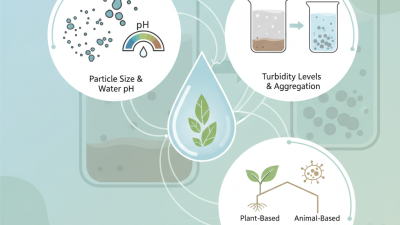
Using natural flocculants isn't always perfect. Their effectiveness can depend on water quality and temperature. For instance, some natural flocculants may work better in certain pH levels. Additionally, they may take longer to settle than synthetic alternatives. This requires patience and careful monitoring during the treatment process.
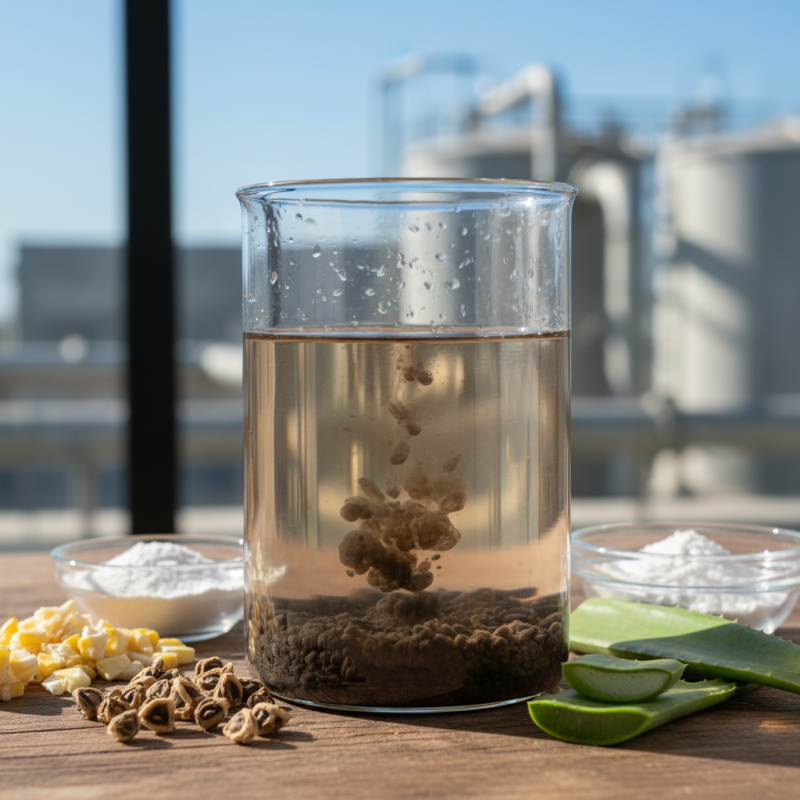
Exploring various natural options is essential. For example, moringa seeds contain proteins that can effectively bind with contaminants. Similarly, chitosan derived from crustacean shells can also be used. However, ensuring consistency in results remains a challenge. Understanding local water conditions is crucial for optimal use.
Overview of Flocculants and Their Role in Water Treatment
Flocculants play a crucial role in water treatment. They aid in removing suspended solids and clarifying water. Natural flocculants, derived from plants or minerals, offer eco-friendly solutions. Their effectiveness often relies on the type of water being treated. For example, natural flocculants can reduce turbidity by up to 90% in certain applications.
Using natural flocculants promotes sustainability. The world faces pressing water quality issues. Reports indicate that over 2 billion people live in water-stressed areas. Therefore, the choice of flocculants matters. Eco-conscious methods can offer significant benefits in water purification processes.
**Tip:** When selecting flocculants, consider local water conditions. Testing before full-scale application ensures optimal results. A small trial can save costs and time. Additionally, blending different natural flocculants may enhance their performance and flexibility in various water types.
10 Best Natural Flocculants for Water Treatment Solutions
Comparative Analysis of Natural vs. Synthetic Flocculants
The use of natural flocculants in water treatment has gained traction due to increasing environmental awareness. Studies indicate that natural flocculants, such as plant extracts, can effectively remove suspended solids from water. These organic materials can lead to a lower carbon footprint, as they are biodegradable and non-toxic. In contrast, synthetic flocculants, although often more efficient, may introduce harmful residues into the water supply.
Comparing both types, a report by the Water Research Foundation notes that while synthetic flocculants often achieve better performance in turbidity reduction, their chemical composition can cause long-term ecological concerns. Conversely, natural flocculants typically require larger quantities to achieve similar results. For example, research suggests that achieving the same levels of clarity in water treatment may use up to three times the volume of natural agents compared to synthetic options. This creates a dilemma for water treatment facilities aiming to balance efficiency and environmental health.
Furthermore, the processing of natural flocculants can be inconsistent. The variability in plant-derived agents makes it challenging to maintain uniform effectiveness. While synthetic options provide predictable results, they come with environmental risks. This complex landscape calls for ongoing research and a more nuanced approach to water treatment solutions.
Top 10 Natural Flocculants: Properties and Applications
Natural flocculants are essential in water treatment, offering eco-friendly solutions. Researchers identify various effective natural agents derived from plants or microorganisms. They attract suspended particles, helping in sedimentation. This process is critical for clean water supply.
One notable example is chitosan. Derived from crustacean shells, it can enhance turbidity removal by up to 90%. It flocculates fine particles effectively, making it a preferred choice. Another option is tannins. Extracted from tree bark and leaves, these compounds show promise in heavy metal removal. Studies indicate they can reduce lead levels significantly.
Despite their advantages, challenges remain in their application. The variability in natural sources can affect consistency. Effective dosage and contact time are crucial factors. Ongoing research aims to improve reliability. The potential for wide-scale use in developing regions is also under consideration. Further studies are needed to address the economic feasibility of these solutions.
Case Studies: Success Stories in Using Natural Flocculants
Natural flocculants offer practical solutions for water treatment. Case studies highlight their effectiveness in various scenarios. For instance, farmers have successfully used plant-based options to clarify irrigation water. This approach significantly reduced turbidity, resulting in cleaner water for crops.
One notable success involved using algae extracts in a small community. The local water body had high levels of pollutants. The introduction of these natural agents improved water clarity. Residents reported better water quality and fewer health issues. However, the implementation wasn't without challenges. Some struggled to find the right application methods.
Tips: Experiment with different sources. Take note of your specific water conditions. Keep detailed records of your results. It’s essential to be flexible and adapt your approach based on observations. Testing small batches first can help refine the process. Success doesn’t happen overnight; patience is key. Exploring local flora may lead to unique solutions.
Additionally, one project utilized fruit waste as a flocculant. While the initial outcomes were promising, they required adjustments. The optimal concentration was unclear. Community members had to work together to troubleshoot. They succeeded, but the learning curve reminded everyone of the importance of trial and error.
Conclusion
Natural flocculants play a crucial role in the field of water treatment, providing an effective and eco-friendly alternative to synthetic options. This article explores the significance of flocculants, discussing their functionality and impact on water purification processes. A comparative analysis highlights the benefits of using natural flocculants over synthetic ones, emphasizing their environmental and health advantages.
In addition to the overview, the article presents a comprehensive list of the top 10 natural flocculants, detailing their properties and diverse applications. Case studies further illustrate the successful implementation of these natural solutions in various water treatment scenarios, showcasing their efficacy. Overall, the use of a natural flocculant not only enhances water quality but also supports sustainable practices in environmental management.