The Best Coagulant Chemicals for Water Treatment in China
In the quest for effective water treatment, the selection of coagulant chemicals is crucial. Renowned expert Dr. Li Wei, a leading authority in water quality management, emphasizes, “The right coagulant can significantly reduce impurities.” This statement underscores the vital role these substances play in purifying water, particularly within the context of China's growing industrial demands.
Coagulant chemicals work by aggregating suspended particles, leading to clearer water. However, the market is flooded with choices, making selection challenging. A comprehensive understanding of these chemicals, including aluminum sulfate and ferric chloride, is essential. Yet, many facilities overlook the importance of optimal dosing. This misstep can lead to ineffective treatment and higher costs.
Moreover, the expertise required in this field is often underestimated. Technicians need training to monitor and adjust the treatment processes. The journey of improving water quality is ongoing. With advancements in technology, the potential for innovation in coagulant chemicals remains vast. The industry must remain vigilant, adapting to new findings while ensuring water safety and quality standards.

Overview of Coagulant Chemicals Used in Water Treatment in China
Coagulation is essential in water treatment processes across China. This method helps in removing suspended particles and impurities effectively. Coagulant chemicals play a crucial role in this process. They bind small particles, allowing them to settle for easier removal. A study from the China National Environmental Monitoring Centre indicates that effective coagulation can improve treated water quality significantly.
Alum, polyaluminum chloride, and ferric chloride are commonly used coagulants. According to a report by the Ministry of Ecology and Environment, the use of these chemicals can reduce turbidity levels by up to 90%. However, the application must be carefully monitored. Overuse can lead to residual chemicals in the water, raising health concerns.
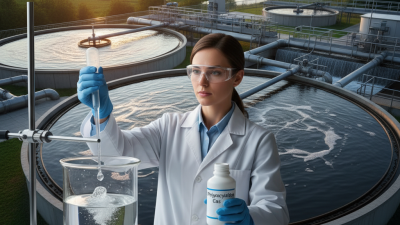
**Tip:** Always assess the water quality before choosing a coagulant. Matching the chemical to specific water conditions can yield better results. It's also important to consider environmental impacts. Many facilities are now looking for alternatives that are less harmful. Exploration into biodegradable coagulants is ongoing, reflecting a shift towards sustainability in water treatment practices. Regular analysis and adjustments are critical to maintaining optimal performance.
Types of Coagulant Chemicals Commonly Used in China's Water Treatment
Coagulant chemicals play a crucial role in improving water quality during treatment processes in China. Various types are used to remove suspended solids and impurities. Common coagulants include aluminum sulfate, ferric chloride, and polyaluminum chloride. Each has its advantages and varying effects on water clarity.
Aluminum sulfate, or alum, is the most widely used coagulant. According to the China National Environmental Monitoring Center, alum accounts for over 50% of all coagulants used in municipal water treatment. It efficiently clusters fine particles, enhancing sedimentation processes. However, care is needed as excessive use can lead to residual aluminum in water.
Ferric chloride is another effective option, particularly for its ability to work in a wider pH range. It is effective in removing organic material and requires less dose compared to alum. Yet, it can create a more corrosive environment. This requires careful handling to prevent infrastructure damage.
Tips: Monitor pH levels regularly. Adjust coagulant dosage based on turbidity. Using coagulants in moderation can lead to better water quality without harming the treatment system.
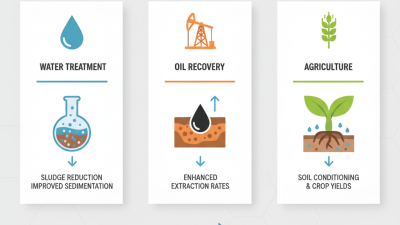
Polyaluminum chloride has gained traction due to its versatility. It reduces sludge production and enhances settling rates. However, it may not be suitable for all water sources and requires thorough testing before application. This highlights the importance of selecting appropriate coagulants tailored to specific challenges.
The Best Coagulant Chemicals for Water Treatment in China
| Coagulant Type |
Usage |
Advantages |
Common Application |
| Aluminium Sulfate |
Primary coagulant for turbidity removal |
Effective in a wide pH range, economical |
Municipal water treatment |
| Ferric Chloride |
Used for color removal and turbidity reduction |
High efficiency at lower doses, good at low pH |
Industrial wastewater treatment |
| Polymeric Coagulants |
Used for enhanced coagulation |
Improved settling properties, less sludge |
Beverage and food industry |
| Calcium Hydroxide |
Used for pH adjustment and coagulation |
Natural coagulant, promotes sedimentation |
Drinking water treatment |
| Sodium Aluminate |
Used in conjunction with other coagulants |
Enhances floc formation, improves stability |
Wastewater treatment facilities |
Mechanism of Action: How Coagulants Improve Water Quality
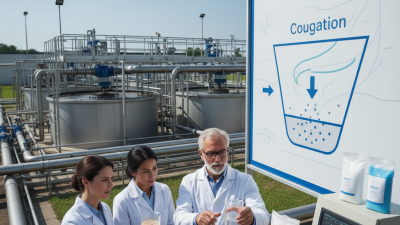
Coagulants play a critical role in water treatment processes. These chemicals help to remove suspended solids and impurities. The mechanism of action involves aggregation. When coagulants are added, they destabilize the particles in the water. This leads to the formation of larger flocs, which are easier to remove.
The effectiveness of coagulants depends on several factors. The type of coagulant, water chemistry, and temperature all influence performance. For example, meeting the right pH level is crucial. If it’s too low or high, coagulation may not happen effectively. Observing the changes in water clarity is essential, but can sometimes be misleading.
Challenges remain in optimizing these processes. Without adequate monitoring, inefficiencies can occur. The selection of coagulants requires careful consideration. Not all coagulants suit every type of water. Understanding local water conditions is vital for choosing suitable options. This ensures better treatment outcomes while maintaining regulatory compliance.
Factors Influencing the Choice of Coagulants in China
When selecting coagulants for water treatment in China, several factors come into play. Local water quality significantly impacts the choice. For example, turbidity levels and the presence of specific contaminants vary widely across regions. Understanding these nuances helps in selecting the most effective coagulant for a given water source.
Cost considerations are crucial as well. In some cases, cheaper coagulants may seem appealing. However, they could lead to suboptimal treatment results. This trade-off often requires careful evaluation. Additionally, regulatory standards in China set specific requirements for coagulant use. Compliance with these regulations is essential for ensuring safe drinking water.
Operators must also consider the environmental impact of their choices. Some coagulants may produce harmful sludge, posing disposal challenges. Striking a balance between effective treatment and environmental stewardship is necessary. Continuous research is needed to foster better alternatives. The complexity of these factors shows that there is no one-size-fits-all solution. Each decision should reflect a deep understanding of local needs and ongoing innovations in water treatment technologies.
The Best Coagulant Chemicals for Water Treatment in China
Regulatory Standards for Coagulant Chemicals in Water Treatment in China
In China, water treatment is governed by strict regulatory standards, ensuring public safety and environmental protection. These standards dictate the use of coagulant chemicals, which play a pivotal role in the purification process. Key regulations specify the acceptable types of coagulants and their limits for residuals in treated water. Compliance with these standards is not just mandatory; it is critical for maintaining public health.
Various agencies outline the requirements for coagulant chemicals used in municipal water supplies. The emphasis is on both efficacy and safety. For example, some coagulants may effectively remove contaminants but can leave harmful residues. This inconsistency challenges water treatment facilities. Operators must balance efficiency with compliance to avoid regulatory penalties.
However, there are still gaps in awareness and implementation. Some facilities struggle with the evolving standards. Training staff on the latest regulations is often overlooked. This can lead to improper chemical use, which risks water quality. Continuous education and rigorous monitoring are essential for improving practices in water treatment.