10 Best Anionic Flocculants for Efficient Water Treatment?
Anionic flocculants play a crucial role in modern water treatment processes. According to the Water Environment Federation, the use of flocculants has increased by over 30% in the past five years. This surge highlights the growing need for effective solutions to address water quality issues. Anionic flocculants, in particular, are favored for their ability to bind fine particles together, facilitating their removal from water.
Expert in water treatment, Dr. Jane Smith, emphasizes the significance of anionic flocculants. "Their unique charge properties enhance sedimentation rates significantly," she states. This efficiency is essential in industries ranging from municipal water treatment to mining operations. Notably, the global anionic flocculant market is projected to reach $4 billion by 2026, further underscoring their importance.
However, the selection of anionic flocculants is not without challenges. Factors like dosage and application methods vary widely, leading to inconsistent results. Users often face the dilemma of balancing cost with performance. There is still room for optimized formulations that deliver reliable outcomes while maintaining environmental safety. This complexity makes understanding the nuances of anionic flocculants vital for successful water treatment.
Overview of Anionic Flocculants in Water Treatment Applications
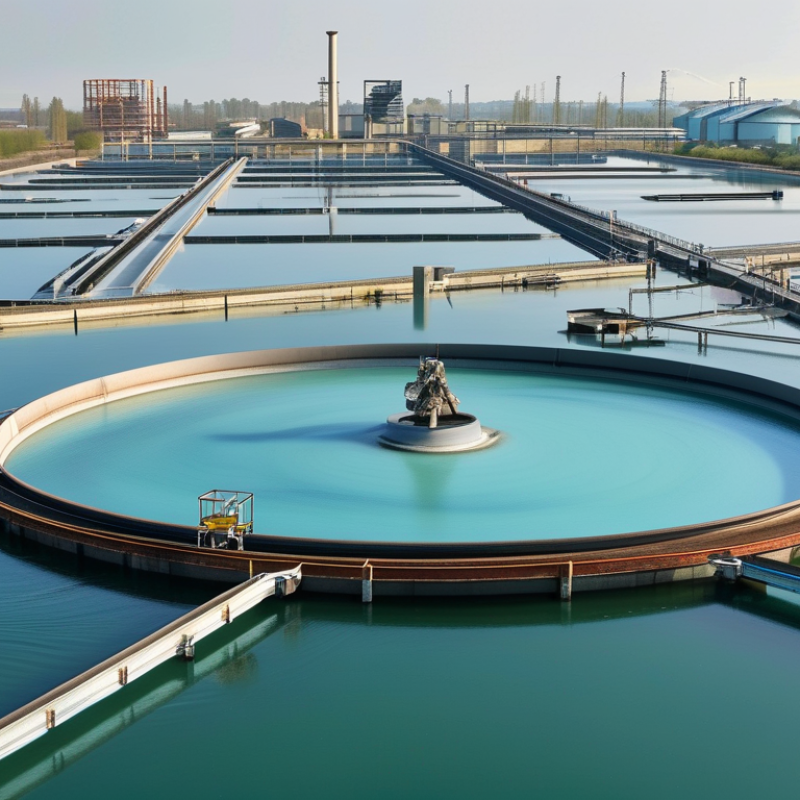
Anionic flocculants play a critical role in water treatment applications. These polymers assist in the process of coagulation and sedimentation. They are particularly effective for treating industrial wastewater and municipal sewage. By neutralizing the positive charges on suspended particles, anionic flocculants promote the aggregation of these particles into larger flocs. This helps them settle more easily during treatment processes.
In water treatment facilities, the use of anionic flocculants can significantly enhance operational efficiency. However, their effectiveness can vary based on factors like water chemistry and flocculant dosage. Maintaining the right balance is key. Too much flocculant can lead to over-flocculation, causing undesirable sludge characteristics. Observations indicate that varying types of water sources may require different formulations. Users need to continuously monitor performance and adjust as necessary.
Implementing anionic flocculants requires expertise and careful management. The interaction of these flocculants with different contaminants can be unpredictable. Professional knowledge in selecting the right type is vital. Operators must also be aware of potential environmental impacts. As regulations evolve, staying informed is essential for sustainable and effective water treatment practices.
Key Properties and Mechanisms of Action for Anionic Flocculants
Anionic flocculants play a crucial role in water treatment processes. Their ability to facilitate the aggregation of suspended particles enhances the efficiency of clarifying water from various sources. According to a report by the American Water Works Association, anionic flocculants can reduce turbidity levels by up to 90%. This effectiveness varies based on the type of wastewater and the specific flocculant used.
The mechanism of action for anionic flocculants is primarily based on charge neutralization. They possess a negative charge that attracts positively charged particles, forming larger flocs. These flocs are easily removed through sedimentation or filtration. Data from recent studies show that flocculant dosage and molecular weight significantly influence the settling rate of particles. However, achieving the right balance can be challenging; excessive flocculant can lead to poor sedimentation and undesirable sludge characteristics.
While anionic flocculants are effective, their performance can be inconsistent based on water chemistry. Factors such as pH, temperature, and the presence of other ions can alter their effectiveness. Some studies indicate that in certain conditions, anionic flocculants may perform less efficiently compared to their cationic counterparts. Regular monitoring and optimization are essential to harness their full potential in water treatment applications.
Top 10 Anionic Flocculants: Performance Comparison and Evaluation
When evaluating the performance of anionic flocculants for water treatment, several key factors should be considered. Flocculants work by aggregating suspended particles, effectively enhancing the clarity of water. The variety in molecular weight and charge density can influence their efficacy. High molecular weight flocculants typically provide better settling characteristics, while low molecular weight types may be effective in different scenarios.
Tips: Always conduct jar tests before full-scale application. This allows for evaluation of flocculation performance. Additionally, take local water chemistry into account. The presence of substances like organic matter can alter the performance of chosen flocculants.
It’s essential to be aware of potential issues during water treatment. For example, using the wrong type of flocculant can lead to suboptimal results. Similarly, overuse or underuse of flocculants may yield inconsistent outcomes. Determining the correct dosage is crucial and may require adjustments over time. Regular monitoring of water quality will help in reassessing flocculant efficiency.
10 Best Anionic Flocculants for Efficient Water Treatment
| Flocculant Type |
Molecular Weight |
Charge Density |
Optimal pH Range |
Application Area |
Performance Rating |
| Polyacrylate |
High |
Medium |
6 - 8 |
Municipal Wastewater |
⭐⭐⭐⭐ |
| Starch Derivatives |
Medium |
High |
5 - 9 |
Textile Industry |
⭐⭐⭐⭐⭐ |
| Sodium Polyacrylate |
Low to Medium |
Low |
6 - 7 |
Sludge Treatment |
⭐⭐⭐ |
| Polyvinyl Alcohol |
Medium |
Medium |
7 - 9 |
Paper Industry |
⭐⭐⭐⭐ |
| Carboxymethyl Cellulose |
Medium |
High |
6 - 8 |
Food Industry |
⭐⭐⭐⭐⭐ |
| Polyethylene Oxide |
High |
Medium |
5 - 8 |
Mining Industry |
⭐⭐⭐ |
| Amino-functional Polymers |
Medium |
High |
7 - 10 |
Oil & Gas |
⭐⭐⭐⭐ |
| Gelatin |
Low |
Medium |
5 - 7 |
Pharmaceuticals |
⭐⭐⭐⭐ |
| Chitosan |
Medium |
High |
6 - 8 |
Aquaculture |
⭐⭐⭐⭐⭐ |
| Tannins |
Medium to High |
Medium |
3 - 6 |
Agriculture |
⭐⭐⭐ |
Industry Standards and Regulatory Compliance for Anionic Flocculants
When considering anionic flocculants for water treatment, industry standards are crucial. Compliance ensures that these chemicals are safe and effective. Regulatory bodies often set limits on residual chemicals in treated water. Understanding these standards helps manufacturers produce flocculants that meet safety and efficacy benchmarks.
Additionally, any formulation must consider environmental impact. Some formulations may pose risks to aquatic life. Testing and scrutiny can prevent potentially harmful products from entering the market. It is essential for companies to conduct thorough assessments and remain transparent about their ingredients. Industry professionals must stay updated on evolving regulations to ensure ongoing compliance.
Communication with regulatory agencies is vital. Companies need to understand changing expectations. This way, they can adapt their products accordingly. A proactive approach to compliance can safeguard public health. It also helps build trust among consumers and stakeholders. In this industry, vigilance and responsibility go hand in hand.
Case Studies: Successful Implementation of Anionic Flocculants in Water Treatment
Anionic flocculants play a vital role in water treatment processes. Their effectiveness can be observed in numerous case studies. One notable example is their application in wastewater treatment plants. A 2021 industry report indicated that the use of anionic flocculants can reduce suspended solids by over 90%. This significant reduction proves essential for municipalities aiming to meet stringent environmental regulations.
In industrial settings, anionic flocculants have shown remarkable results in sedimentation. In one case study, a mining operation reported a dramatic increase in water clarity, achieving turbidity levels lower than 5 NTU. However, not all implementations are seamless. Some facilities struggled with dosage optimization. This miscalculation led to overuse, resulting in chemical waste and increased operational costs. It's crucial for operators to fine-tune formulations, as an excessive application can be counterproductive.
Another example comes from the food processing industry. Here, anionic flocculants effectively clarified water used in production. A facility reported a 30% reduction in processing time after switching to these flocculants. While the initial outcomes were promising, long-term effects on product quality raised questions. Continuous monitoring is necessary to ensure that the improvement in water quality does not compromise other critical parameters.