
7 Best Acrylic Gel Polish Suppliers for Global Buyers?
Choosing a dependable Acrylic Gel Polish supplier requires more than reviewing glossy product photographs. Global buyers must examine formula consistency, curing performance, pigmentation, packaging, and delivery reliability. A vivid red may look impressive online, yet appear darker after curing under a different lamp. Small details matter. Bottle brushes, cap seals, label clarity, and batch coding can affect customer satisfaction and warehouse control.
This guide compares seven Acrylic Gel Polish suppliers for importers, distributors, salons, and private-label brands. Each supplier is considered through practical purchasing criteria, including sample availability, minimum order quantities, production capacity, customization options, technical documentation, and international shipping experience. Reliable suppliers should provide clear ingredient information, safety data, usage guidance, and responsive communication. These documents support informed purchasing and responsible product handling across different markets.
No supplier is perfect. A low price may hide limited quality control, while a premium catalog may offer weak after-sales support. Buyers should test samples under their own lamps, inspect viscosity, and monitor color stability after several weeks. One overlooked issue can become an expensive return. Supplier claims also deserve verification through factory audits, independent testing, customer references, or small trial orders. The following comparison is designed to support careful decisions, not replace professional compliance review. Market conditions change, and some details may require rechecking before signing a long-term agreement.
What Acrylic Gel Polish Is and Why Global Buyers Choose It
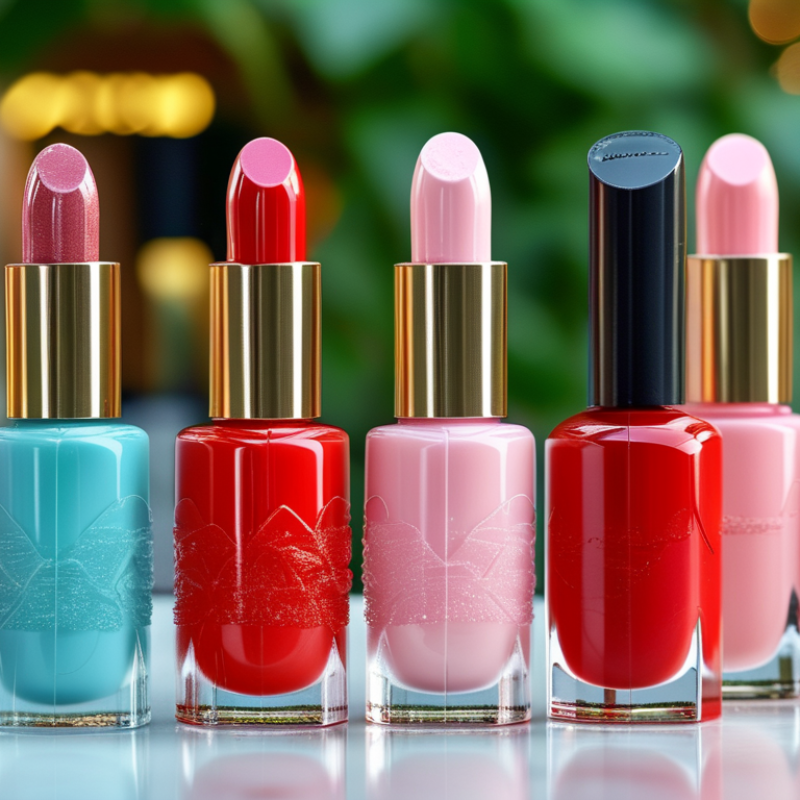
Acrylic gel polish is a hybrid coating, not traditional acrylic powder. It combines gel polymers with acrylate-based ingredients and cures under UV or LED light. The result feels thinner than salon acrylics but usually offers stronger wear than ordinary polish. A proper layer should cure evenly, without wrinkles, flooding, or a rubbery center.
Global buyers choose it for practical reasons. It can deliver glossy color for roughly two to three weeks when applied correctly. That matters in busy salons and private-label distribution. Grand View Research reported that the global nail polish market exceeded USD 14 billion in 2023, with continued growth expected through 2030. Allied Market Research also forecasts the market to surpass USD 22 billion by 2031. These figures show demand, but they do not guarantee product quality.
Supplier evaluation requires more than checking color charts. Buyers should request ingredient declarations, safety data sheets, batch records, viscosity specifications, and curing guidance. Testing should include lamp compatibility, adhesion, removal time, odor, and color stability. I have found that attractive samples can fail after repeated curing. That is easy to miss. Packaging also needs practical testing, especially brush control and leakage during international shipping. A supplier with clear technical documents, traceable batches, and responsive quality support is usually safer for long-term purchasing than the lowest-priced option.
Related Posts
-

How to Use Natural Flocculants for Effective Water Treatment?
-
10 Essential Tips for Choosing Pac Drinking Water for Your Health
-

Top 10 Benefits of Using Pac Drinking Water for Your Health?
-

2026 How to Source Pac Drinking Water for Global Buyers?
-
China Best Plastic Lubricants for Global Buyers in 2026?
-

Why Choose Super Ssd Chemical for Your Business Needs?
-

Phone
-

E-mail
-

Whatsapp
-

WeChat
Jessy Lin
Paul Zhou:8613356391894
Eric Wong:8615963245439
Emily Wu:8617866856171 -
WeChat
Paul Zhou

-
WeChat
Eric Wong

-
WeChat
Emily Wu