
Top Benefits of Using Polymer Flocculant in Industry?
In the industrial landscape, the use of polymer flocculant has become increasingly prevalent. This versatile substance is crucial in various processes. Industries such as wastewater treatment and mineral processing greatly benefit from its unique properties.
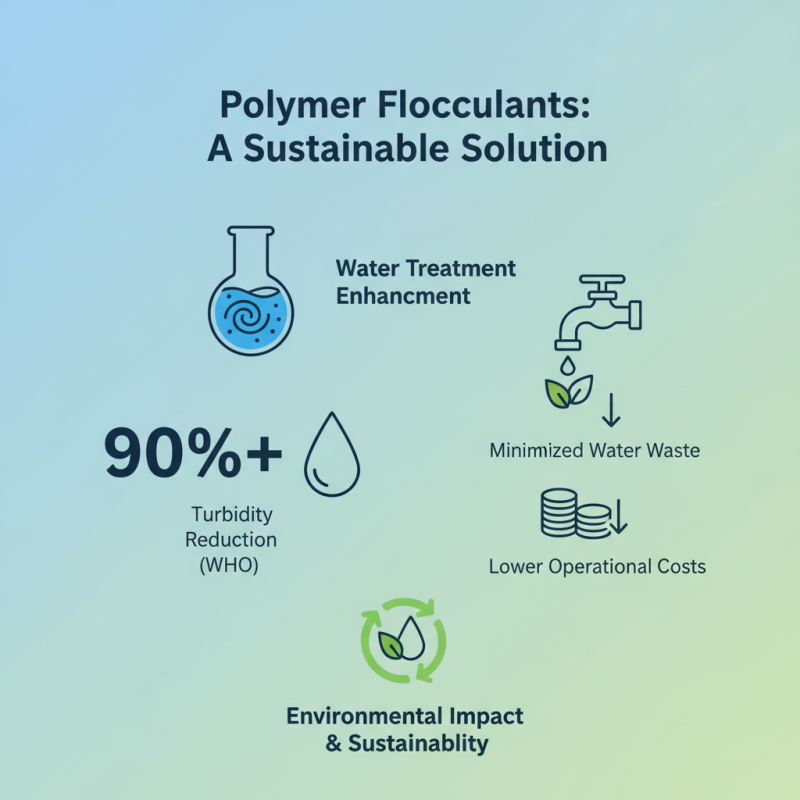
Polymer flocculants enhance the flocculation process, which involves the aggregation of particles. This leads to clearer water and efficient solid-liquid separation. Companies often struggle with sedimentation issues and seek effective solutions. Here, polymer flocculants show their worth, enabling industries to operate more sustainably.
Despite their benefits, the understanding of polymer flocculants remains underappreciated. Many professionals overlook their significant impact on cost efficiency. By recognizing the functions and advantages of polymer flocculants, industries can achieve more reliable results. This awareness is essential, as it pushes for innovations that can elevate operational standards.
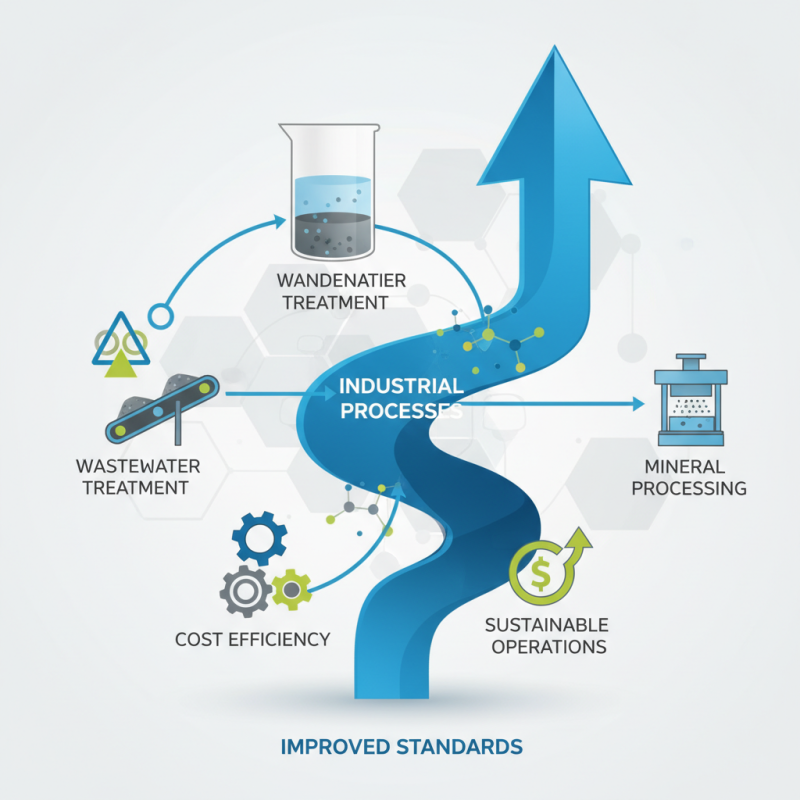
Overview of Polymer Flocculants and Their Functionality
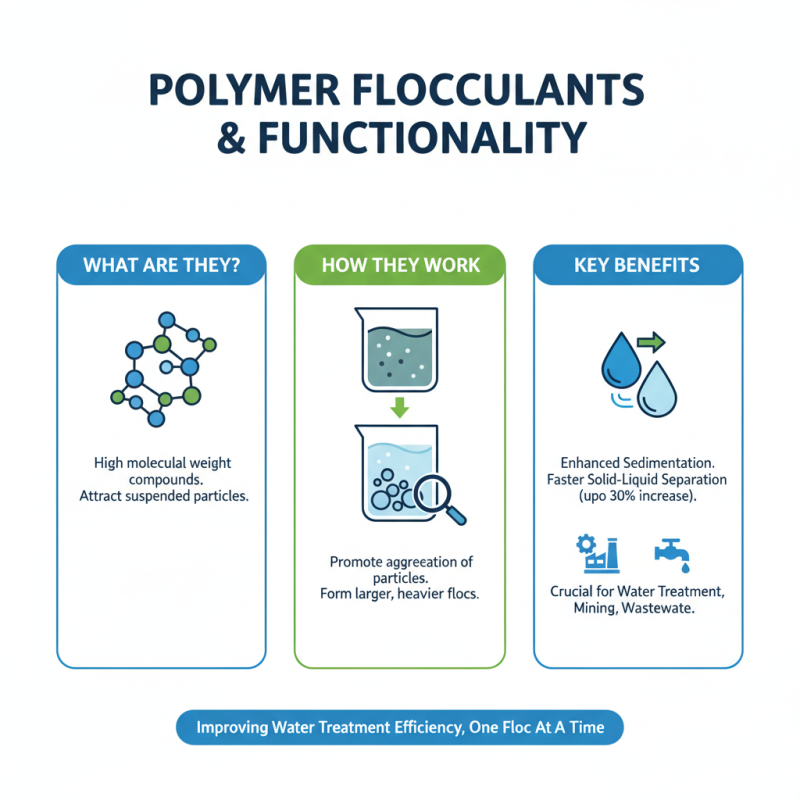
Polymer flocculants play a crucial role in various industrial applications, particularly in water treatment processes. These high molecular weight compounds assist in the aggregation of suspended particles, facilitating their removal from liquids. By enhancing sedimentation, polymer flocculants significantly improve the efficiency of water treatment operations. For instance, a recent study indicates that the use of these flocculants can increase solid-liquid separation rates by up to 30%. This level of efficiency is critical in industries such as mining and wastewater treatment.
In terms of functionality, polymer flocculants operate through a process called coagulation. They neutralize the charge of suspended particles, allowing them to clump together. This interaction results in larger flocs, which can be removed more efficiently. Various types of polymers are available, and their effectiveness can vary based on specific applications. For example, an analysis from a leading environmental research report noted that anionic polymers are often preferred for negatively charged particles, while cationic versions serve well with positively charged materials. This specificity highlights the necessity for careful selection based on operational needs, as incorrect choices may lead to suboptimal flocculation and excess sludge production.
Despite their advantages, using polymer flocculants is not without challenges. In some cases, improper dosing can lead to ineffective floc formation or over-treatment. This can impact downstream processes and even increase operational costs. Understanding the intricacies of polymer dosage is essential to maximizing their benefits while minimizing potential drawbacks. Consequently, continuous research and advancements in polymer science remain vital for enhancing the performance of these useful substances in industrial settings.
Related Posts
-
Top 10 Tips for Using Polymer Flocculants Effectively in Water Treatment
-

How to Use Organic Flocculant for Effective Water Treatment?
-
Why Choose Organic Flocculants for Sustainable Water Treatment Solutions?
-
10 Best Uses of Additive Bentonite for Industrial Applications?
-

Top 10 Benefits of Using Pac Drinking Water for Your Health?
-

Top 2026 Acrylic Gel Polish Trends You Need to Know?
-

Phone
-

E-mail
-

Whatsapp
-

WeChat
Jessy Lin
Paul Zhou:8613356391894
Eric Wong:8615963245439
Emily Wu:8617866856171 -
WeChat
Paul Zhou

-
WeChat
Eric Wong

-
WeChat
Emily Wu