Top 10 Benefits of Anionic Flocculants for Water Treatment?

Water treatment is crucial for environmental health and safety. Anionic flocculants, known for their efficiency in wastewater management, play a significant role in this process. According to industry reports, the global flocculant market is expected to reach $6.7 billion by 2025, with anionic variants leading in demand. They enhance the sedimentation of suspended particles, making water clearer.

The benefits of flocculant anionic are noteworthy. They improve the removal of contaminants, enhancing water quality. A study revealed that using anionic flocculants can increase solid-liquid separation by up to 30%. This improvement signifies not only efficiency but also cost-effectiveness, benefiting wastewater plants globally. However, despite their advantages, some concerns exist regarding dosage and environmental impacts.

Implementing anionic flocculants can sometimes yield unexpected results. Overuse may lead to excessive sludge or chemical imbalances. Hence, continuous monitoring is essential. As treatment technologies evolve, the focus remains on maximizing benefits while minimizing drawbacks. The potential of flocculant anionic is vast, inviting further exploration and refinement in water treatment methodologies.

Top 10 Benefits of Anionic Flocculants for Water Treatment?

Overview of Anionic Flocculants in Water Treatment

Anionic flocculants play a vital role in water treatment processes. These compounds are negatively charged and can effectively bind with suspended particles in water. Their effectiveness lies in the ability to neutralize positive charges on particles. This makes it easier for them to clump together and settle. The result is clearer, cleaner water.

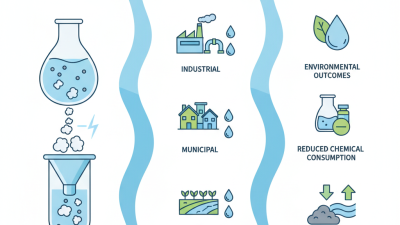
One notable benefit is their application in municipal wastewater treatment. Here, they help in removing solids from sewage. This is crucial in ensuring that treated water meets safety standards. However, using anionic flocculants requires careful monitoring. Overuse can lead to complications in the water's chemical balance.

In industrial settings, they assist in mining and paper manufacturing. They efficiently separate valuable minerals from waste materials. Yet, there's a need for reflection on their environmental impact. The chemicals used may alter ecosystems if not managed properly. It’s essential to find a balance between effective treatment and environmental safety.
Top 10 Benefits of Anionic Flocculants for Water Treatment

Mechanism of Action: How Anionic Flocculants Work

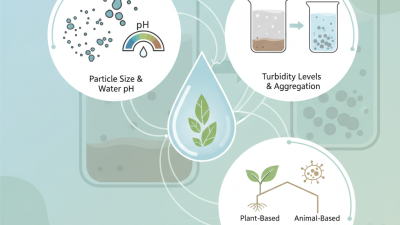
Anionic flocculants play a crucial role in water treatment. Their mechanism of action is both intriguing and effective. These agents neutralize charges on suspended particles, allowing them to clump together. This process, called flocculation, forms larger aggregates. These aggregates can then be easily removed from the water.

Research highlights that anionic flocculants can reduce particle concentrations by over 80%. This remarkable reduction enhances water clarity significantly. A report by the American Chemical Society notes that these flocculants are effective at various pH levels. They can operate optimally even in challenging conditions, such as high turbidity.

However, not all applications yield perfect results. In some cases, the required dosage may not be well established. Too much flocculant can lead to over-flocculation, making it harder to separate the sludge. Moreover, while they are effective, their environmental impact requires careful consideration. The balance between efficiency and ecological safety is paramount.

Key Advantages of Using Anionic Flocculants in Water Treatment

Anionic flocculants offer significant advantages in water treatment processes. One key advantage is their efficiency in aggregating suspended particles. According to a study by the Water Environment Federation, anionic flocculants can improve sedimentation rates by up to 50%. This can lead to clearer water in less time. Such efficiency is critical in industrial applications and municipal wastewater treatment.

Another benefit is the versatility of anionic flocculants. They can be adjusted to target specific contaminants, including heavy metals and organic matter. Some reports suggest that their use can reduce biochemical oxygen demand (BOD) levels significantly, contributing to safer effluent discharge. However, it’s important to acknowledge potential limitations. Depending on the water composition, the effectiveness of these flocculants may vary, requiring careful assessment of conditions before use.

Cost-effectiveness is also a consideration. While initial expenses might be high, the overall savings in treatment costs can be substantial. A report indicated that facilities utilizing anionic flocculants saw a 30% decrease in operational costs over five years. This reflects their long-term potential. However, they may require adjustments in dosing and monitoring, which adds complexity to the treatment process. Proper training and oversight remain essential for maximizing their benefits.

Environmental Impact and Safety of Anionic Flocculants

Anionic flocculants are gaining attention in water treatment for their effectiveness and safety. These compounds help in aggregating particles, making them easier to remove from water. The environmental impact is a critical aspect to consider. Unlike some chemicals, anionic flocculants are less toxic to aquatic life. They typically break down without leaving harmful residues. However, their long-term effects are not yet fully understood.

It's essential to evaluate the safety of anionic flocculants in various applications. While they offer numerous benefits, improper usage could lead to unintended consequences. For instance, excessive dosages may result in destabilizing water systems. Monitoring and control are necessary to mitigate potential risks. There’s also a need for continuous research on alternative options. Some individuals remain skeptical about their complete safety in different environments. Flocculant choice should reflect a balance between efficacy and ecological responsibility.

Top 10 Benefits of Anionic Flocculants for Water Treatment

Benefit Description Environmental Impact Safety
High Efficiency Anionic flocculants enhance the sedimentation process, promoting faster removal of suspended solids. Reduces the need for additional chemicals, minimizing chemical pollution. Considered safe for most water treatment applications when used correctly.
Compatibility Well-suited for various types of wastewater, including industrial and municipal. Promotes the reuse of treated water, aiding in sustainability efforts. Non-toxic and environmentally friendly under normal usage conditions.
Cost-Effective Reduces operational costs by enhancing flocculation efficiency. Lower chemical usage leads to reduced waste management costs. Minimal health risks when applied according to guidelines.
Improved Quality Results in clearer effluent and improved overall water quality. Enhances ecological balance in receiving water bodies. Safe for aquatic life within acceptable concentration limits.
Versatility Applicable in diverse processes, from mining to municipal waste treatment. Supports multi-sector sustainability initiatives. Low acute toxicity, ensuring a safer workplace environment.
Quick Integration Easily integrates into existing treatment systems. Less disruption to current treatment processes reduces stress on ecosystems. Low risk of adverse effects during implementation.
Regulatory Compliance Helps facilities meet stringent water quality standards. Supports regulatory goals for environmental protection. Complies with safety regulations, making it a preferred choice.
Enhanced Settling Increases the settling rate of particles, reducing processing times. Less energy required for settling contributes to lower carbon footprints. Minimal adverse effects on human health when used properly.
Reduced Sludge Volume Produces denser sludge, minimizing disposal volume. Lowers landfill expenses and environmental impact of disposal. Safer transport and disposal compared to bulkier sludge volumes.
Stability & Storage Stable formulation allows for longer storage periods without degradation. Reduces waste due to expired or degraded materials. Minimal handling hazards during storage and usage.

Applications of Anionic Flocculants in Different Water Treatment Processes

Top 10 Benefits of Anionic Flocculants for Water Treatment?

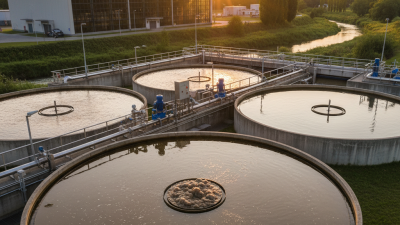
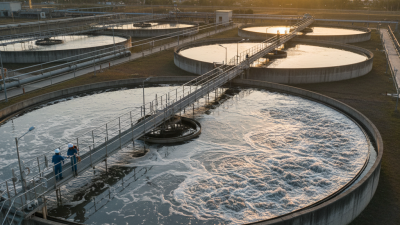
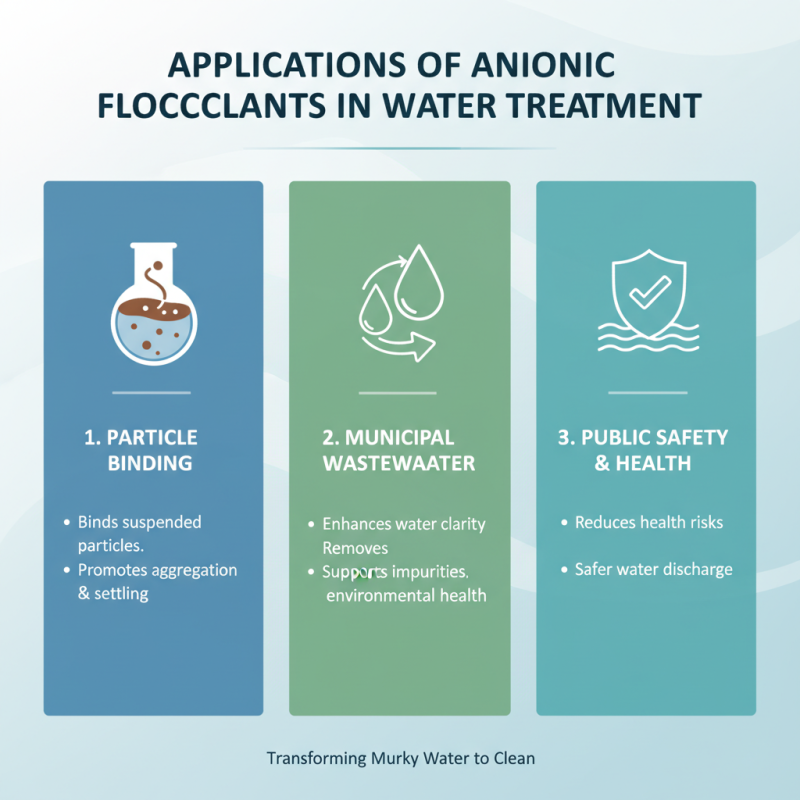
Anionic flocculants play a vital role in various water treatment processes. They effectively bind suspended particles, promoting their aggregation and settling. This is essential in municipal wastewater treatment, where clarity is crucial. The addition of anionic flocculants can transform murky water into a cleaner state. This transformation supports environmental health and reduces risks to public safety.

In industrial applications, anionic flocculants are often used in mining and paper production. They help extract unwanted solids from water, making recycling efficient. Their effectiveness in these processes shows promise for further innovations. However, the need for careful dosages remains. Overuse can lead to issues such as secondary pollution. Awareness of the balance is important to maximize benefits while minimizing harm.

Anionic flocculants also find applications in oil and gas extraction. They assist in clarifying produced water, which is essential for compliance with regulations. While the advantages are clear, the process is not without challenges. Environmental considerations are always pivotal. Companies must continually assess the impact of these chemicals. Emphasizing responsible usage is key to maintaining sustainable water treatment practices.

WhatsApp Online Chat !