What is Additive Bentonite and How is it Used Globally?
Additive Bentonite is gaining attention in various industries worldwide. This versatile clay exhibits unique properties that enhance product performance. Dr. Emily Chen, a renowned expert in materials science, stated, “Additive Bentonite is revolutionizing how we approach industrial applications.” Her insights emphasize the importance of this material in driving innovation.
Companies are exploring the benefits of Additive Bentonite in construction, agriculture, and environmental solutions. Its high absorbency and thixotropic nature make it ideal for applications like drilling fluids and sealants. However, the use of Additive Bentonite is not without challenges. Sourcing quality materials and ensuring sustainability can lead to difficult decisions for manufacturers.
As industries evolve, the demand for Additive Bentonite continues to rise. Yet, businesses must navigate the complexities of its use. Developing efficient processes is crucial for maximizing its potential. The future of Additive Bentonite holds promise, but action must be taken to adapt to its evolving role in our global economy.
What is Additive Bentonite?
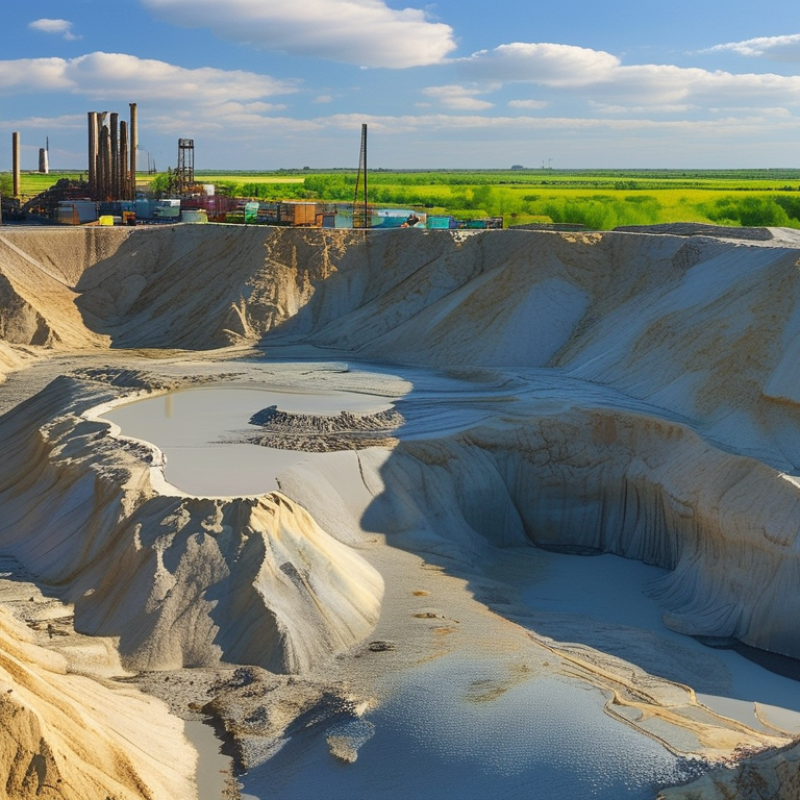
Additive bentonite is a type of clay known for its unique properties. This material is primarily composed of montmorillonite. It is widely used in industries such as construction, drilling, and even pharmaceuticals. In construction, additive bentonite provides excellent sealing properties and enhances the strength of concrete mixtures. According to a 2022 report by Global Market Insights, the global bentonite market is projected to reach $1.4 billion by 2026, driven by the demand in various applications.
In drilling, additive bentonite is crucial for maintaining wellbore stability. It creates a viscous mud that helps cool down drill bits while providing necessary lubrication. This application is especially important in oil and gas exploration. However, inconsistency in the quality of bentonite can lead to issues in drilling efficiency, highlighting the need for proper quality control measures.
Tips for using additive bentonite include ensuring proper mixing ratios. Too much bentonite can lead to overly thick mud, making drilling difficult. Monitoring the properties of bentonite before application is also crucial. Not all bentonites are the same; differences in mineral composition can affect performance. Doing thorough research and testing can significantly enhance the effectiveness of additive bentonite in various applications.
What is Additive Bentonite and How is it Used Globally?
| Country |
Application |
Industry |
Estimated Usage (tons/year) |
| USA |
Drilling fluids |
Oil and Gas |
200,000 |
| China |
Foundry sand |
Manufacturing |
150,000 |
| Germany |
Pet food binding |
Food Industry |
50,000 |
| India |
Civil engineering |
Construction |
100,000 |
| Brazil |
Pulp and paper process |
Pulp & Paper |
30,000 |
Chemical Composition and Properties of Additive Bentonite
Additive bentonite is a unique clay mineral known for its versatility and chemical properties. Rich in montmorillonite, it has high swelling capacity and excellent adsorption. This composition gives it a broad range of uses in various industries. In construction, it serves as a binder, while in agriculture, it improves soil quality. Its ability to retain moisture makes it an essential addition to many formulations.
The chemical composition of additive bentonite impacts its properties significantly. It typically contains silica, alumina, and iron oxides. These elements influence its plasticity and performance in different applications. While it excels in many areas, not all types of bentonite are suitable for every use. This variability can lead to suboptimal results if the wrong type is chosen. Understanding the properties of specific bentonite types is crucial for effective utilization.
In food processing, additive bentonite is valued for its clarification properties. It can help remove impurities from liquid products. However, its safety and regulatory status require careful consideration. The balance between efficacy and compliance is vital. Some businesses may overlook this, leading to potential risks. Therefore, knowledge about the chemical makeup and appropriate uses of additive bentonite is essential for producers and consumers alike.
Global Applications of Additive Bentonite in Various Industries
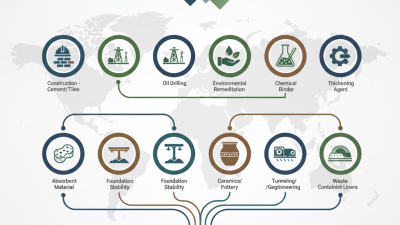
Additive bentonite is a naturally occurring clay that has gained traction in diverse industries. Its unique properties, such as excellent adsorption and swelling capabilities, make it valuable in various applications. In the construction industry, it is used in grouting, sealing, and as a binder in concrete. This enhances the durability and water resistance of building materials.
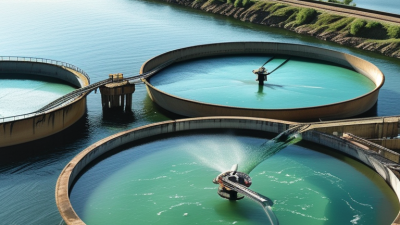
In the food industry, additive bentonite is used to clarify beverages and improve the texture of certain products. It acts as a food additive, helping in the removal of impurities. In the oil and gas sector, it’s utilized for drilling fluids, providing stability and containing pressure. The environmental benefits are notable as well; it can be employed in waste management for isolating pollutants.
Tips for working with additive bentonite include testing small batches before large-scale applications. Adjusting the ratio with other materials can yield better results. Keep an eye on moisture levels; too much can lead to clumping, while too little may reduce its effectiveness. While additive bentonite is versatile, the properties can vary depending on the source. Always consult with experts when unsure about its best applications.
Advantages of Using Additive Bentonite in Manufacturing Processes
Additive bentonite is a versatile clay used in various manufacturing processes. Its unique properties make it an excellent additive for multiple applications. In industries like construction, it improves the strength and durability of materials. The ability to retain moisture adds value in agriculture, helping with soil structure and nutrient retention.
The advantages of using additive bentonite are significant. It enhances product performance while remaining cost-effective. With its fine particle size, it provides a smooth texture in paints and coatings. This clay can also swell, which allows it to be used in drilling fluids and sealants. It aids in the filtration process, ensuring purity and clarity in beverages and other consumables. However, sourcing high-quality bentonite can be challenging.
Considering environmental factors is essential. Although bentonite has many benefits, sustainable practices should guide its usage. Some industries may over-rely on this additive without assessing its long-term impact. Balancing efficiency and responsibility can lead to better outcomes for both the manufacturer and the environment. When utilized thoughtfully, additive bentonite can play a key role in advancing manufacturing and sustainability goals.
Environmental Impact and Sustainability Considerations of Additive Bentonite
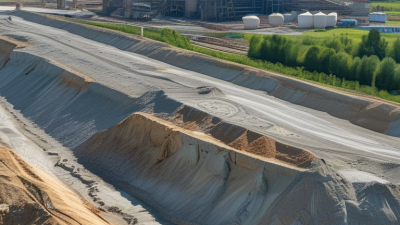
Additive bentonite is extensively used in various industries, but its environmental impact raises critical questions. This clay material is typically mined, processed, and altered to enhance its properties. However, mining activities can lead to habitat destruction. The extraction sites often suffer from erosion, which affects local ecosystems. Water sources can become contaminated during processing, posing risks to wildlife.
Sustainability is becoming increasingly important in the production of additive bentonite. Responsible sourcing practices are gaining traction. Some companies are exploring ways to reduce water consumption during processing. Others invest in rehabilitation of mining sites. These efforts help mitigate some of the negative effects. Still, concerns about over-reliance on this material continue to grow. Proper waste management strategies need to be implemented to prevent pollution.
Moreover, the carbon footprint associated with transporting bentonite is significant. This raises questions about its overall sustainability. As industries seek more eco-friendly alternatives, the future of additive bentonite may need re-evaluation. Innovations in biodegradable materials may provide viable substitutes. However, the transition will require substantial investment and research efforts. The path forward should balance industry needs with environmental stewardship.